periodiCALS, Vol. 7, Issue 2, 2017
Every day across campus, our students are developing the knowledge and technical expertise they need to succeed in their chosen fields. But a new minor available this fall focuses on the skills they need to attract employers across all disciplines.
The leadership minor helps students build key skills to excel professionally and in their personal lives. The goal is to enhance the abilities of students to understand their own strengths, collaborate with others and be positive role models, said Marvin Pritts, professor in the Horticulture Section of the School of Integrative Plant Science (SIPS) and director of the new minor program.
Pritts hopes students will become more aware of the links between community engagement, service learning, leadership and personal growth. The new minor provides opportunities for direct, hands-on experience. It grew out of a desire to formally provide integration and academic credit for the many leadership opportunities that exist at Cornell, both inside and outside the classroom.
“When recruiters come to campus, they already assume that Cornell students are equipped with excellent technical skills, so they are looking for differentiators,” Pritts said. “Having leadership experiences and a language to describe these attributes will impress recruiters.”
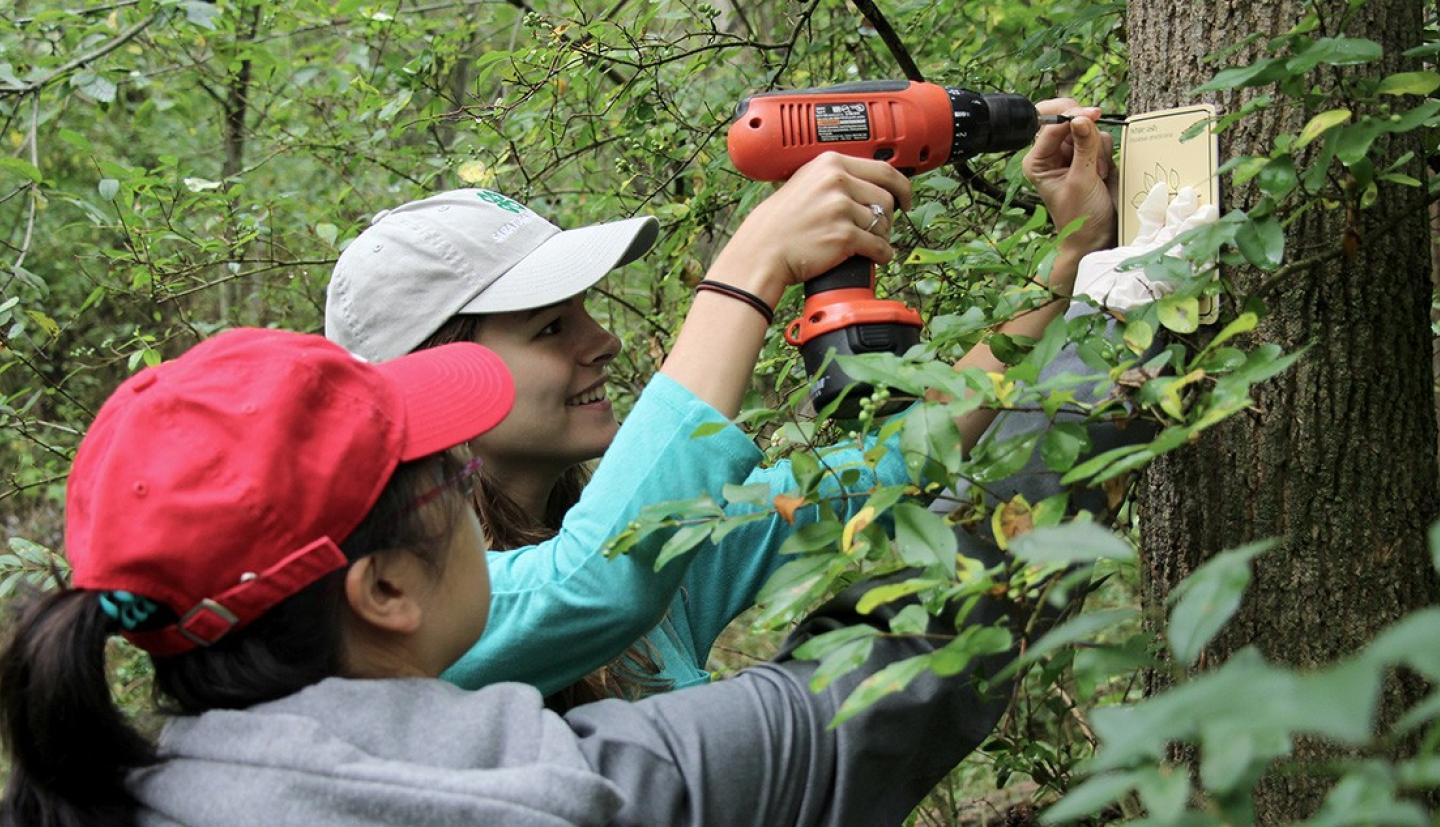
“We believe our hands-on approach to teaching these skills will ultimately foster active, reflective and compassionate engagement in students, who will learn firsthand the importance and effectiveness of collaboration,” he said.
Community partners could span many fields, from the Patient Care Advocate Team in Cayuga Medical Center’s Emergency Department, to public school outreach programs to the Cornell University Deaf Awareness Project. Co-curricular campus organizations include athletics, the Greek system, residential life, Public Service Center, Cornell Outdoor Education and more. Representatives from some of these organizations serve on the advisory team for the minor.
Clint Sidle, former director of the Leadership Fellows Program in the Samuel Curtis Johnson Graduate School of Management and chair of the committee that proposed the minor, said the minor combines academic courses and engaged learning opportunities to foster civic engagement and critical self-awareness.
“One of the great questions around leadership development is whether leaders are born or if they can be made,” said Sidle, who will teach one of the courses for the minor. “The evidence is overwhelming that these skills can be learned, and they can be learned by everyone.”
The minor requires approximately 15 credit hours from four tiers of learning — leadership essentials; foundations in leadership; electives; and an experiential capstone course — plus the completion of an e-portfolio. Several of these courses will be offered under the LEAD prefix.
Pritts said the minor aims to help students become aware of the links between community engagement, service learning, leadership and personal growth.
“We hope to encourage more than just job-readiness in our students, but also compassion and a deepened understanding of the complexities, dynamics and interdependencies of life,” he said.