periodiCALS, Vol. 7, Issue 2, 2017
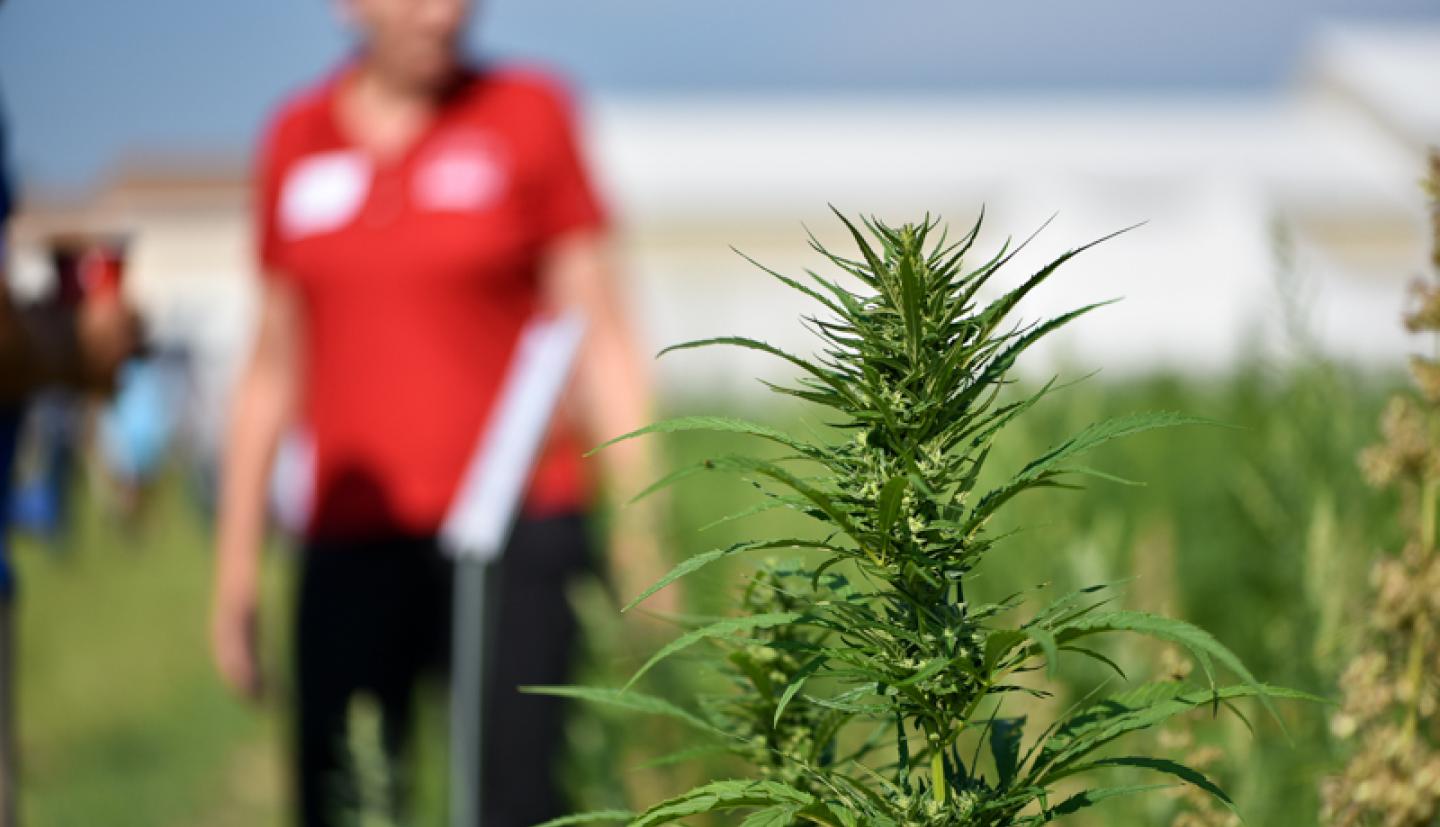
It’s not what it looks like.
Industrial hemp is growing again across New York as the state invests in the once-banished plant as an economic opportunity for farmers and producers.
Food, paper products, clothing, insulation, consumer goods such as soap, and more can be made from the plant’s stalks and seeds. While sharing the same genus and species as marijuana, hemp contains drastically reduced levels of tetrahydrocannabinol (THC)—less than 0.3 percent—far below levels that induce psychoactive effects. Yet until two years ago, the plant was banned for decades across the U.S.
With regulations now relaxing, research essential to making hemp a viable crop is under way. This summer, trial plots in Ithaca and the New York State Agricultural Experiment Station in Geneva were used to study 17 hemp varieties and issues such as disease and insect pests that could prove to be barriers for this emerging industry.
Off campus, we partnered with farmers across the state to cultivate more than 1,700 acres. The research tapped into our multidisciplinary expertise in plant pathology, breeding, genetics, seed technology, soil and entomology to determine optimal growing practices in the state’s diverse growing conditions.