Sheep Ked (Melophagus ovinus)

Livestock IPM Fact Sheet

Sheep keds are wingless, blood-feeding flies that infest sheep and goats. Heavy infestations can cause irritation, wool loss, anemia, and reduced weight gain. Shearing and properly timed insecticide treatments can help manage this pest.

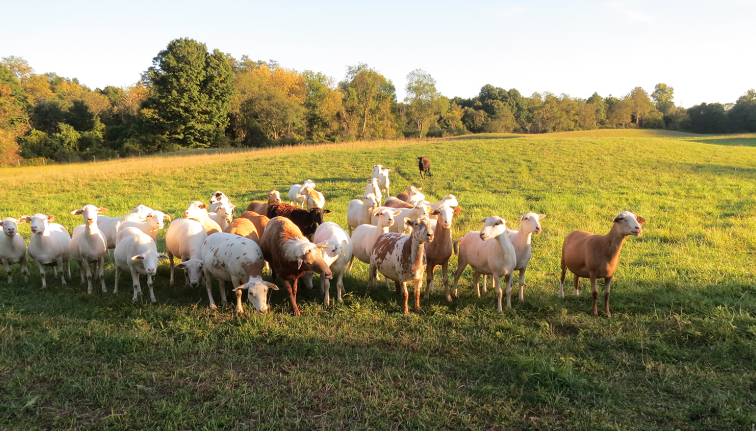
The sheep ked (Melophagus ovinus) is an external pest of sheep that also affects goats. These flies look like ticks and are sometimes called "sheep ticks." Before insecticides became widely available, this pest was a much larger concern. It is less common today, but it still occurs on farms. Sheep keds can cause skin irritation, reduced weight gain, wool loss and infections. High populations can cause anemia in animals.

Identification of sheep ked

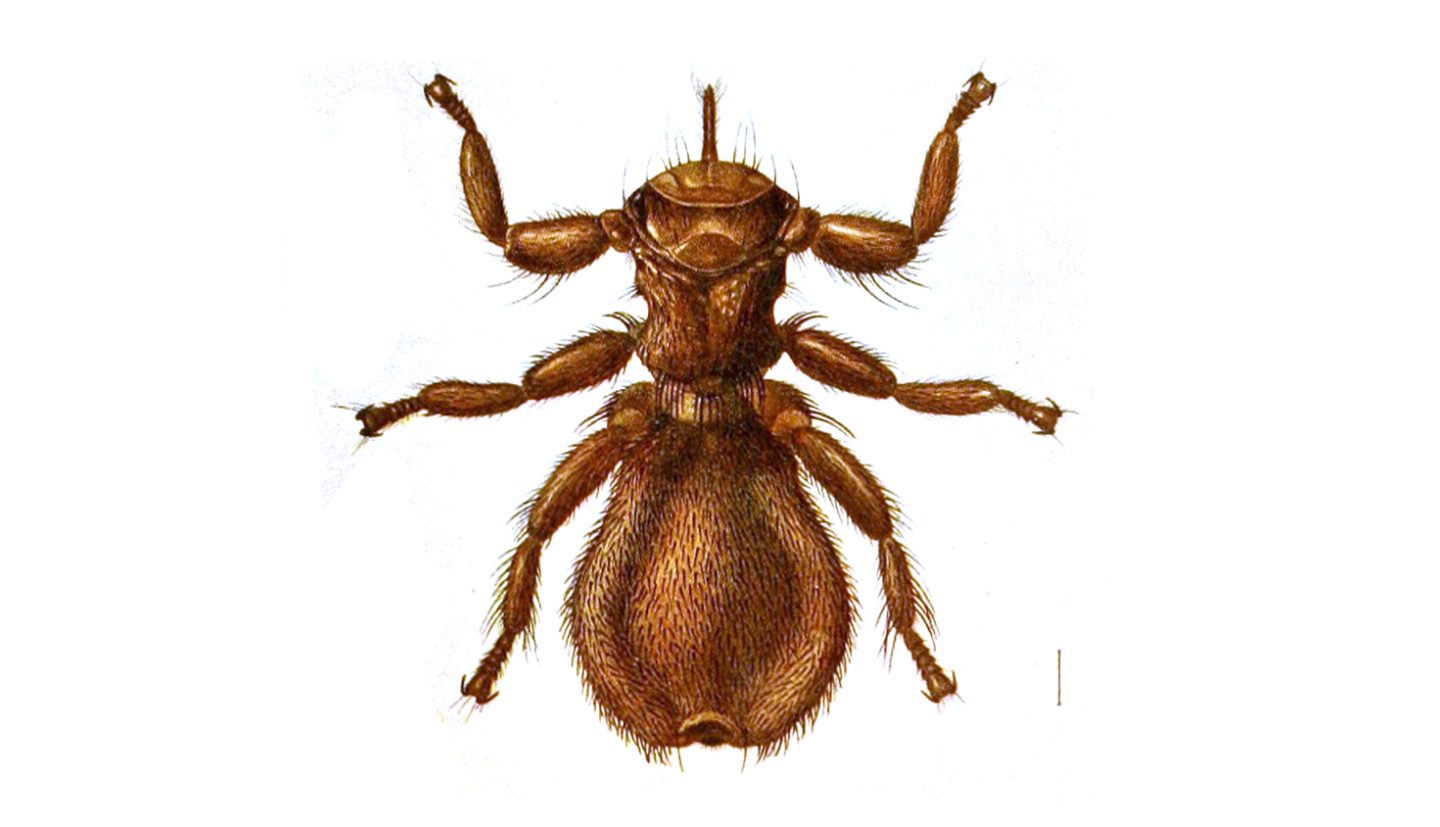
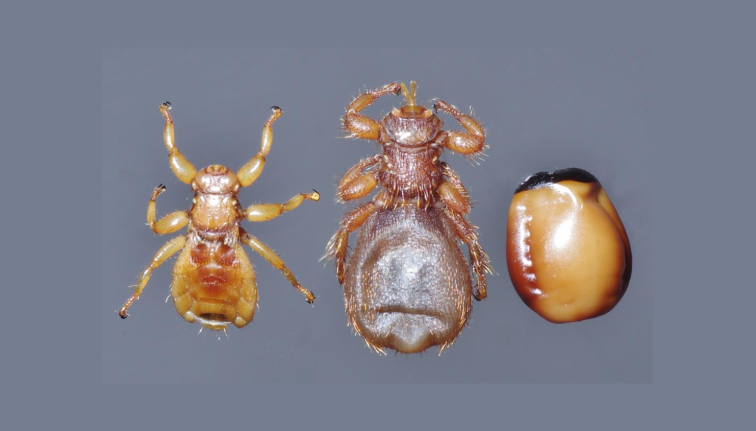
The sheep ked is a wingless fly. People sometimes mistake it for a tick. Sheep keds are brown to red and 0.2 to 0.31 inches (5-8 millimeters) long. The insect has a flattened, leathery body covered with short bristles. It has a small head, a large oval abdomen and six stout legs with strong claws for gripping wool. Adult males have a smaller, pale yellow-brown body. Adult females are larger and darker with a swollen abdomen. Figure 3 shows the size and shape differences among the male, female and pupal stages. The sheep ked prefers sheep as a host, but it will feed on goats and other animals. Watch Melophagus ovinus en un borrego (video) to see how sheep ked looks when infesting sheep with a heavy coat.

Figure 2. An illustration of a female sheep ked

Life cycle of sheep ked

Sheep keds give birth to live larvae. The eggs hatch inside the adult female. The female feeds the larva internally until she places it on the host animal. A female produces one offspring about every week. Each adult female ked can produce up to 15 offspring in her lifetime. 

Once placed on the animal, the larva quickly attaches to a wool fiber and pupates. The pupa is brown to mahogany and 0.12 inches (3 millimeters) long. It can look like a lice egg or nit. It takes about 20 to 30 days for an adult to emerge from the pupa. 

The sheep ked is a blood-feeding insect. Keds use clawed legs to attach tightly to their host. They take one blood meal each day. Both males and females use piercing-sucking mouthparts to drink blood. This insect spends its entire life on the animal. Keds move between animals within a flock and are present year-round. Research shows that sheep ked populations increase from fall to spring and decrease after farmers shear the sheep. 

Damage of sheep ked

Heavy infestations can cause anemia, weaken animals and increase the risk of disease. Infestations cause extreme irritation and discomfort, especially around the neck, breast, shoulders, belly and thighs. Infected sheep may display symptoms by scratching their bodies against posts or structures to relieve itching. 

Sheep keds cause a type of wool loss called "cockle hide," which leaves the animal's skin bare. Cockle reduces the quality of the hide, lowering its value.

When infection rates are high, ked can reduce weight gains in lambs. The ked can also transmit pathogens such as:

  • Trypanosoma melophagium
  • Rickettsia melophagi
  • Bluetongue virus

Management techniques for sheep ked

Integrated pest management tactics:

  • Good sheep/flock health practices help to prevent sheep ked infestation.
  • Keeping barns and pens clean can help reduce the impact of the pest. Keeping bedding clean and dry is important for sheep ked and other parasite management. 
  • Shearing ewes before lambing is one of the most effective strategies for reducing sheep ked populations. By shearing, most of the eggs and larvae are removed. 

If infestations are present:

  • Apply an insecticide when the wool is short. This allows the chemical to reach the pest. The pupae resist insecticides, so farmers may need to apply treatments multiple times for full control.

Insecticide application methods:

  • Dipping
  • Spraying
  • Dust bags
  • Pour-on treatments

Please visit VetPestX, a searchable database of control products to find appropriate chemicals based on the pest, treatment site, and desired formulation. 

Note that this is a national list of products and some of these may not be registered in New York State. It is the responsibility of the producer to make sure it is legal to use in New York State. 

Any time you use a pesticide, you must read and follow the label directions and comply with all applicable laws and regulations related to pesticide use. Also be sure that any pesticide used is approved for use in your country and state/province.

Authors

  • Ken Wise
    Associate Director, Agricultural IPM, Dairy/Livestock IPM Coordinator, Cornell Integrated Pest Management
  • Hannah Tolz
    Extension Support Specialist, Cornell Integrated Pest Management

Last updated: September 2026

portrait of Ken Wise
Ken Wise

Associate Director, Agricultural IPM, Dairy/Livestock IPM Coordinator

Cornell Integrated Pest Management

Ken Wise
  • klw24 [at] cornell.edu
A headshot photo of Hannah Tolz
Hannah Tolz

Extension Support Specialist

Cornell Integrated Pest Management

Hudson Valley Research Laboratory

Hannah Tolz