Use of precision fermentation to create novel and sustainable dairy products for New York

Project Overview

Use of precision fermentation to create novel and sustainable dairy products for New York

This project shows that yeast – especially S. cerevisiae – can successfully replace traditional bacteria in dairy fermentation. The yeast worked quickly to acidify milk to the levels needed for yogurt, while producing very little ethanol. Trials also showed that yeast-based fermentation can produce acceptable and even desirable yogurt and cheese products, with consumers expressing willingness to purchase them. 

Overall, this work opens the door to more reliable production and entirely new types of dairy products. It gives New York’s dairy industry a promising new tool to innovate, reduce waste, and stay competitive.

New York is by far the largest yogurt-producing state in the U.S. New York is also #1 in production of sour cream and cottage cheese, and #4 in cheese production. Cheese and yogurt fermentations are typically driven by lactic acid bacteria; however, these bacteria are susceptible to infection, resulting in food waste. This project explores the use of lactic acid-producing yeast in place of bacteria in dairy fermentations, and evaluates novel food products created with yeast.

Yeasts have not traditionally been used in cheese or yogurt production, so there is a need to understand how they behave in dairy production systems, and how consumers respond to new products made with yeast. Our project first evaluated five different yeast strains that produce lactic acid, including S. cerevisiae (common baker’s yeast), and four different strains of Lachancea thermotolerans. We evaluated a variety of factors, including yeast inoculation rate, temperature, sugar supplementation, pH, organic acid profiles and ethanol levels. All yeast strains were able to acidify the milk; however, only S. cerevisiae was able to rapidly acidify milk below a pH of 4.6 in a few hours, a necessity for yogurt producers. S. cerevisiae also produced the lowest amount of ethanol. Based on that finding, we used S. cerevisiae to conduct trials of unique yogurts and cheeses. 

The Impacts

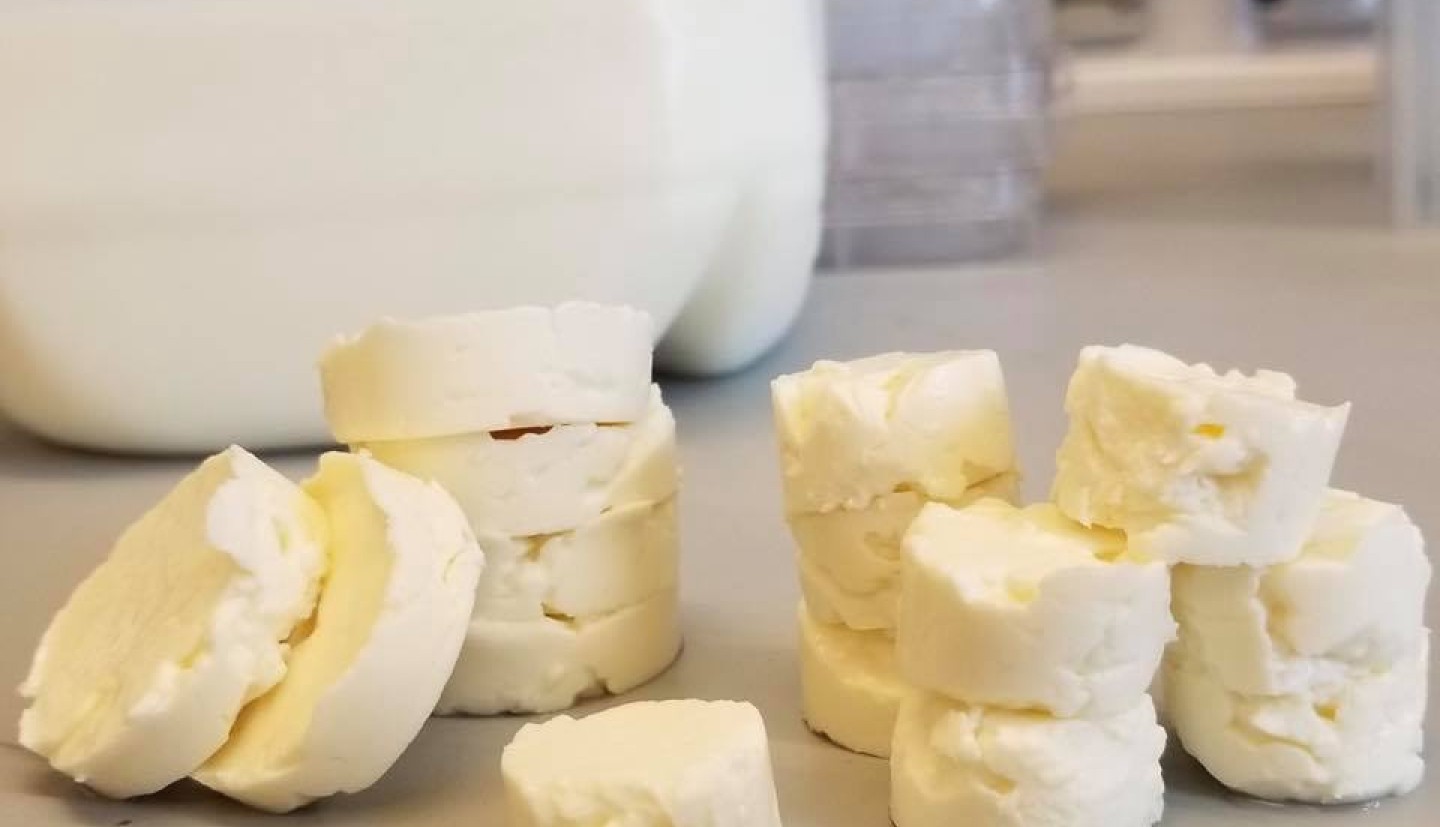
Trials of S. cerevisiae-fermented yogurt assessed chemical, production and sensory factors important for yogurt producers. Informal sensory testing found the flavor profile to be neutral to effervescent; however, incorporation of strawberry or other fruits resulted in a second fermentation, suggesting the need for either a pasteurization step to prevent unwanted further fermentation, or the use of sugar-free fruit purees. For cheese, we created two Gouda-style cheeses and performed a series of trials on yeast inoculation rates, rennet levels, incubation temperatures and times, and pressures. We found that yeast-fermented cheese differs from traditional Gouda in most evaluated characteristics, but that consumers liked the cheeses and were willing to purchase them. 

This work over the last three years shows great potential for the use of yeast to create new, appealing dairy foods. We presented our work at the American Dairy Science Associations conference, the Northeast Dairy Foods Research Center Annual meetings, and at industry events in New York State. Our work provided new knowledge to the New York dairy industry on how these novel organisms behave in dairy systems and can potentially be leveraged to create new dairy products, such as cheese and yogurt.

Sam Alcaine

Principal Investigator

Project Details

  • Funding Source: Hatch
  • Statement Year: 2025
  • Status: Completed Project
  • Topics: Food science, dairy, fermentation