Farmer-centric on-farm experimentation
Project Overview
Farmer-centric on-farm experimentation
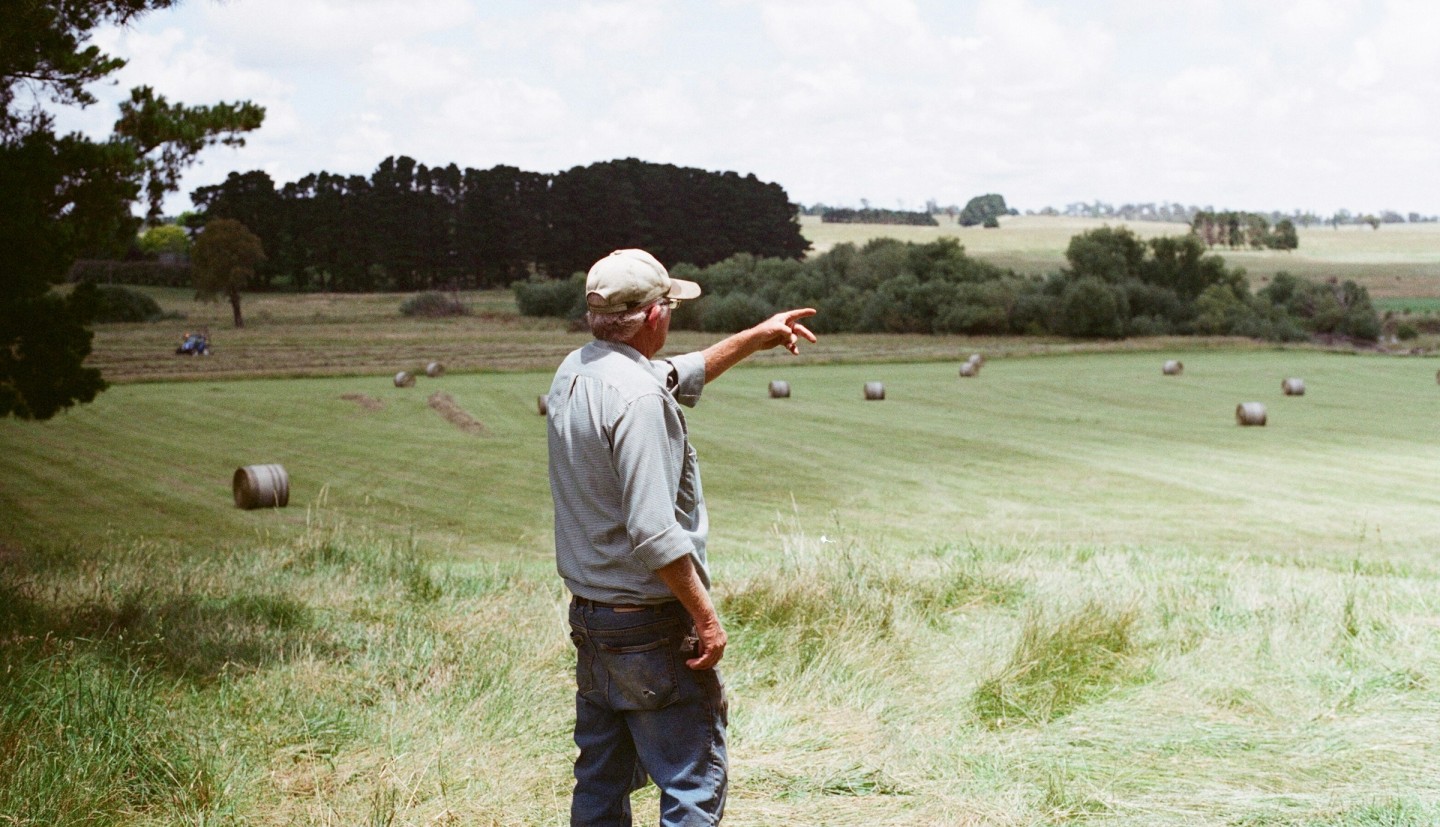
Farmers routinely conduct their own on-farm experiments. This project identified barriers limiting their effectiveness. Survey results confirmed that farmer-led experimentation is widespread and central to decisionmaking, but often constrained by time, limited resources, and challenges in tracking and analyzing results. Farmers also expressed a strong interest in collaborating with researchers, highlighting an opportunity for better integration with formal research systems.
The findings provide clear direction for designing farmer-centric research and extension programs that reduce burden and complement existing practices rather than replace them. By recognizing farmers as active innovators and identifying targeted support needs, the project advances more collaborative, efficient, and trustworthy agricultural research systems, with benefits for productivity, sustainability, and rural communities.
Farmers routinely conduct their own on-farm experiments to improve management decisions, yet these efforts are poorly documented, weakly supported, and rarely integrated into formal research and extension programs. As a result, there is limited understanding of how farmers experiment, what constrains their efforts, and how collaboration with researchers could add value without increasing burden. This project addresses the need to systematically characterize farmer-led experimentation and identify opportunities to design more effective, farmer-centric research and extension models that build on existing practices.
We conducted a statewide survey to document how farmers conduct on-farm experiments, what they are trying to learn, and what challenges they face. The survey was sent to 14,660 email addresses and resulted in 235 completed surveys. By collecting responses from farmers across New York state, this project established a baseline showing that on-farm experimentation is widespread, farmer-driven, and central to everyday decisionmaking.
The Impacts
Survey results identified key barriers, such as lack of time, limited equipment, and difficulties tracking and analyzing results, as well as strong interest in collaborating with researchers. These findings helped clarify where research and extension can add value, guiding future farmer-centric programs. A key issue identified through the survey was that farmers face significant time and resource constraints, which limits their ability to document, track, and analyze experiments despite widespread engagement in experimentation. This finding suggests some benefit in identifying support roles for research and extension that reduce the burden of experimental complexity and complement existing farmer practices, rather than trying to replace them. By documenting how farmers experiment and identifying barriers that limit learning and collaboration, the project supports the development of research and extension approaches that help farmers progress towards their sustainability goals (e.g., improve input use efficiency, build soil health) while maintaining productivity.
Farmers benefited from this project by having their on-farm experimentation practices formally recognized, validating their role as active contributors to agricultural innovation, rather than passive recipients of research. Extension educators and researchers benefited from a clearer, evidence-based understanding of how farmers experiment, what limits their ability to do so, and where support would be most valuable. This project contributes to public trust in agricultural research by promoting collaborative models that respect farmers’ knowledge, data ownership, and decisionmaking. These approaches support more transparent, inclusive, and socially responsible agricultural innovation systems that ultimately benefit food security, environmental quality, and rural communities.
Principal Investigator
Project Details
- Funding Source: Hatch
- Statement Year: 2025
- Status: Completed Project
- Topics: rural communities, farmers, agricultural practices