Breeding nutritious peppers adapted for New York
Project Overview
Breeding nutritious peppers adapted for New York
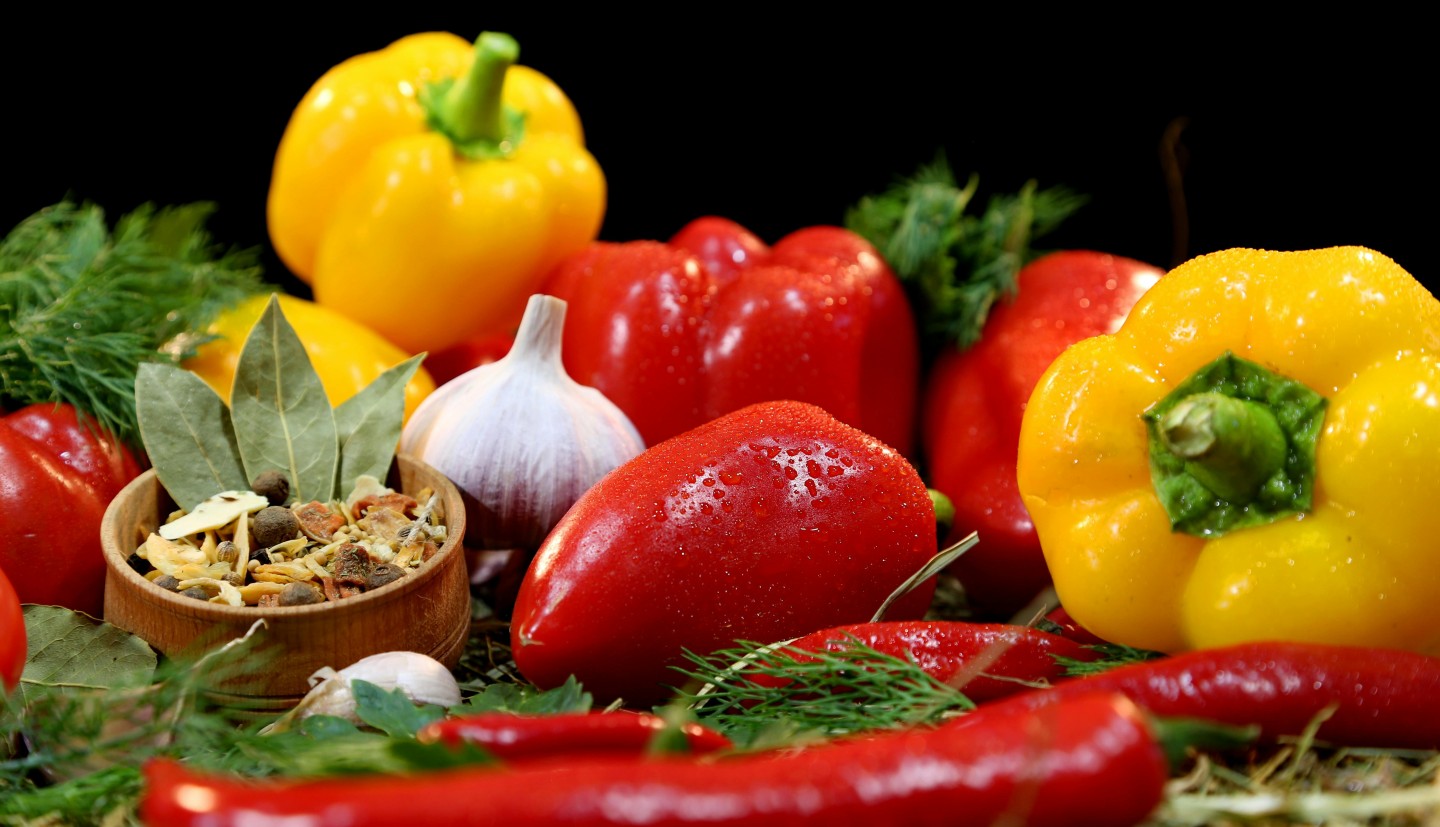
This project evaluated the nutritional content of diverse pepper varieties suited for the Northeastern U.S., with the goal of improving their value through breeding. The project revealed significant nutritional differences among pepper varieties, including up to twofold variation in vitamin C and folate. These findings enabled the development of 566 breeding lines and supported the release of a new variety, Gemelli Mazinna, advancing efforts to breed more nutritious peppers. By sharing results with growers, breeders, and over 30 companies through field events and the 2024 International Pepper Conference, the work accelerates innovation in agriculture while improving access to healthier, nutrient-rich vegetables for the public.
Peppers are an excellent source of dietary vitamins, yet there is limited information on which types are the most nutritious. In this project, we evaluated key nutrients in a panel of pepper varieties well suited for continued breeding in the Northeast. Our results revealed important nutritional differences among these peppers and established a foundation for incorporating nutritional traits into our breeding program.
We assembled a panel of pepper varieties well suited to serve as the foundation of a Northeast-adapted pepper breeding program. These peppers either had previously reported high nutritional levels for carotenoids, vitamin C, quercetin, or folate, or represented common commercial bell pepper genetics. The panel was grown in replicated, multiyear field trials and fruit tissue was collected for nutritional analysis. To conduct these analyses, we adapted or developed analytical methods for each target nutrient.
The Impacts
Our analyses revealed approximately twofold variation in Vitamin C levels among cultivars. While ripe peppers consistently contained more Vitamin C than immature green peppers, the magnitude of this difference varied widely – from negligible to tenfold. This finding has important implications for peppers harvested before full ripening, either for consumption as green fruit or for ripening during transit. Folate content varied as much as twofold, with some cultivars reaching folate levels comparable to legumes, placing them among high dietary folate sources. In addition to developing pre-breeding populations for nutrient content mapping, we integrated some of these populations into our breeding program. At the conclusion of this project we had 566 breeding lines identified for continued evaluation. This funding also helped support the final steps necessary for releasing a new pepper variety – Gemelli Mazinna – which is available for growers to plant now.
We shared our results with pepper breeders and seed companies through annual field days and written reports, reaching more than 30 companies. Growers were additionally engaged through two twilight meetings, where they had the opportunity to review and sample peppers developed through the project. The capstone of our outreach efforts was the integration of this work into the International Pepper Conference, hosted in Ithaca in 2024. Pepper growers, processors, breeders, researchers, and students attended presentations on nutritional research and toured the project’s field plots, allowing them to engage directly with the research and its applications.
Principal Investigator
Project Details
- Funding Source: Hatch
- Statement Year: 2025
- Status: Completed Project
- Topics: Pepper varieties, plant breeding, nutrition