Improving Nutrition for Sustainability and Profitability
In the 1940s, there were 25 million dairy cows in the United States. Today, there are ~9 million. The efficiency of nutrient use also has increased in the U.S. due to improvements in genetics, management and nutrition of cattle. The outcome has been a decrease in feed, land and water requirements, and less manure and methane emissions per unit of milk produced.
To meet the needs of farmers that manage high-production dairy cows, Cornell continues to develop the Cornell Net Carbohydrate and Protein System. This system predicts nutrient requirements, animal performance, and methane emissions from North American cattle.
While we cannot ignore the gap in efficiency between the U.S. and countries located within South Asia and Africa, we realize that these regions are defined by marginal and smallholder dairy production systems and unique regional challenges, which must be considered when developing technologies and practices for the betterment of these farming communities. Improving dairy production in developing countries, or those with emerging economies, requires scientific advancement and leadership at the local level.
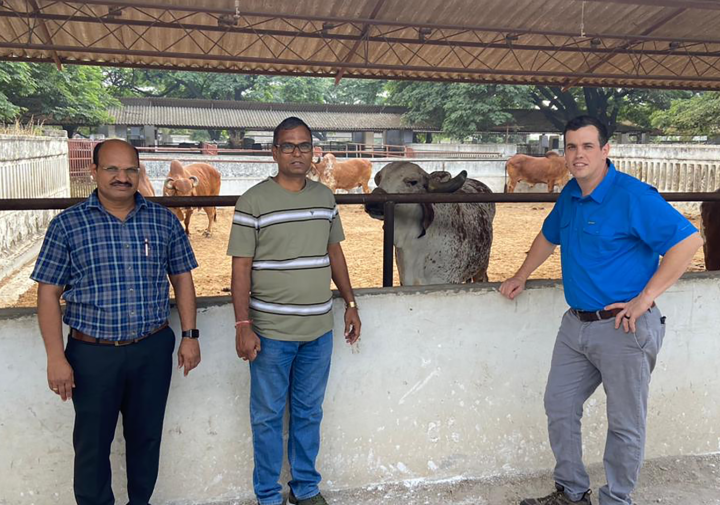
We are committed to working with regional partners to identify strategic collaborations which will enable improved milk production efficiency for dairy farmers at all scales of production. For example, emerging efforts are focused on developing research paths in India to build a comprehensive feed library that adequately defines the nutrient profile of feeds. Such an effort is recognized as a critical first step toward improving ration balancing for the 300+ million cattle and buffaloes in the country.
Our dedication to improving nutrition modeling efforts for these regions of the world include the following:
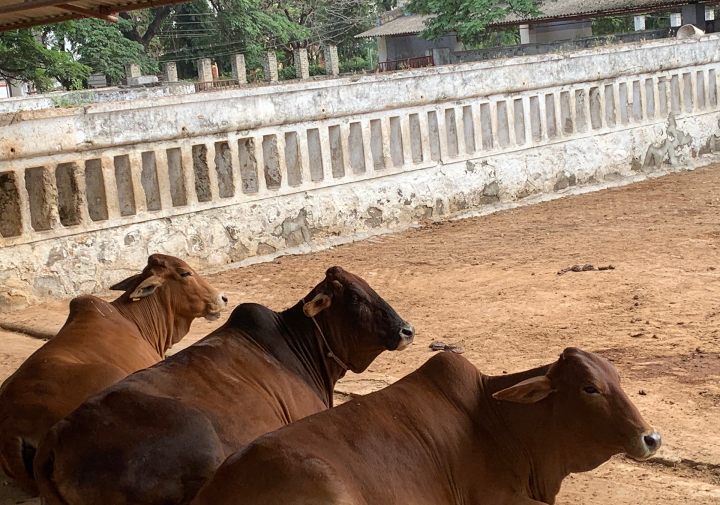
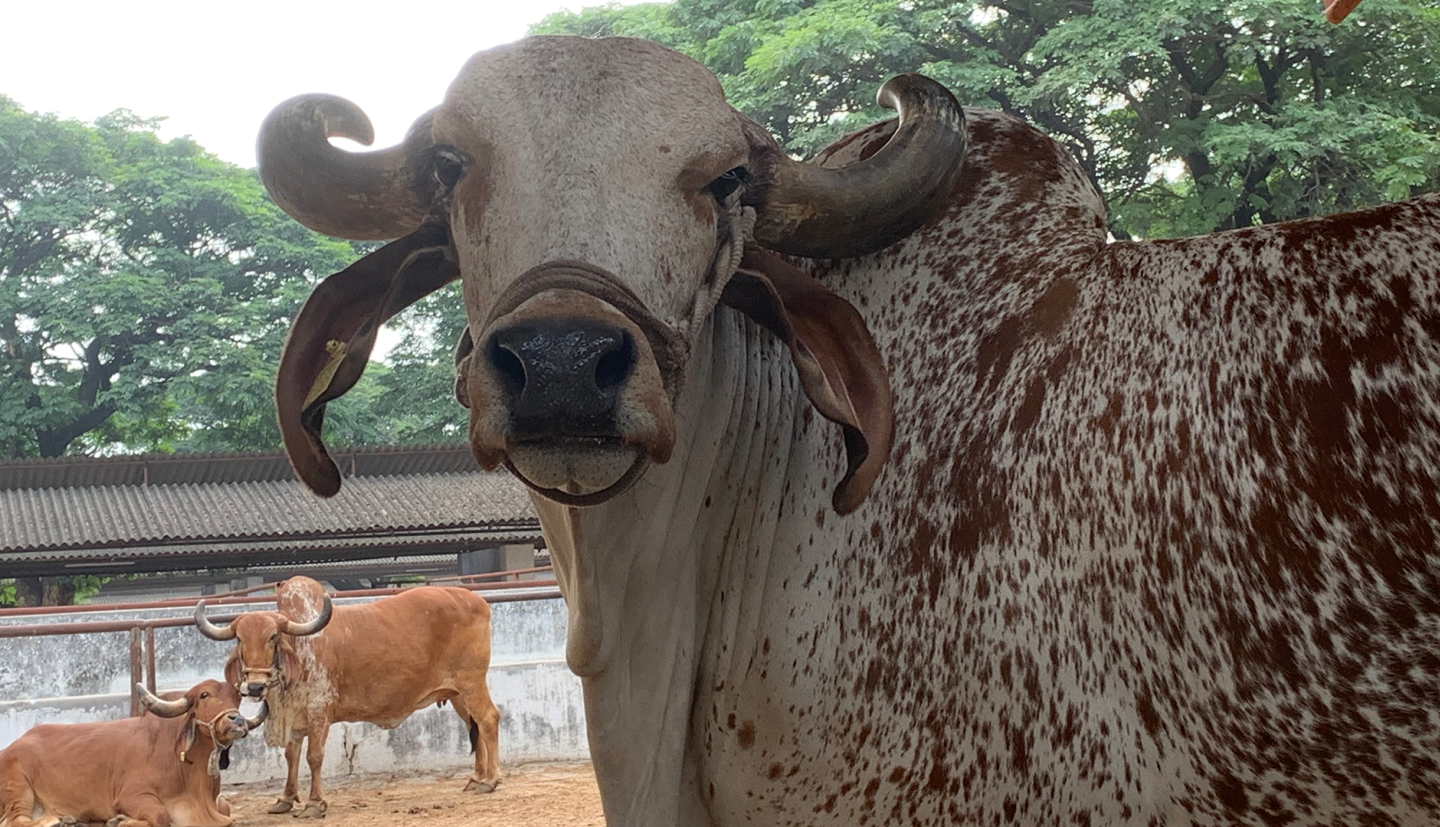
- Defining the nutrient requirements for indigenous cattle breeds
- Accelerating the use of NIR methods for feed chemistry testing
- Evaluating the effects of feed additives on milk production efficiency
We will study the effects of these solutions in the field to demonstrate their effectiveness and benefit for farmers and cattle, and we will identify barriers to adoption.
Team

- (607) 255-2289
- hjh3 [at] cornell.edu

Professor of Dairy Cattle Biology
Animal Science
Northeast Agribusiness and Feed Alliance Sesquicentennial Faculty Fellow
- (607) 255-9941
- jwm43 [at] cornell.edu

Professor
Charles H. Dyson School of Applied Economics and Management
Professor
Global Development Section
Director, Tata-Cornell Institute
Global Development Section
- (607) 255-2352
- plp39 [at] cornell.edu

- (607) 254-4910
- mev1 [at] cornell.edu