Back

Discover CALS

See how our current work and research is bringing new thinking and new solutions to some of today's biggest challenges.

CCE Summer Intern

Share
  • Cornell Cooperative Extension
  • Cornell Integrated Pest Management

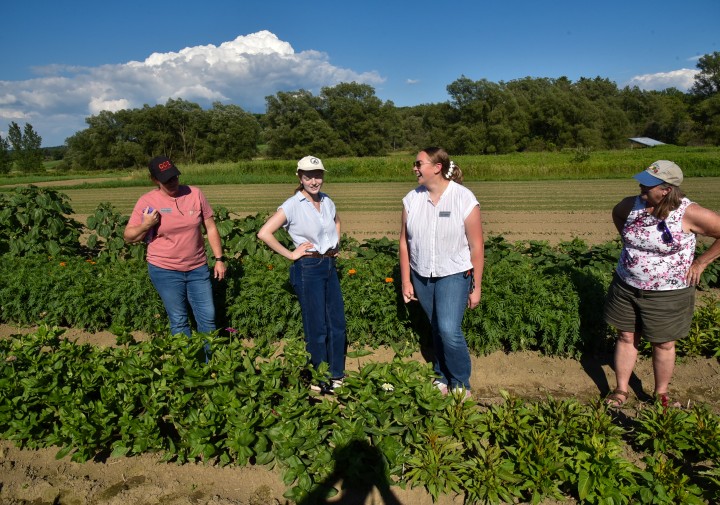
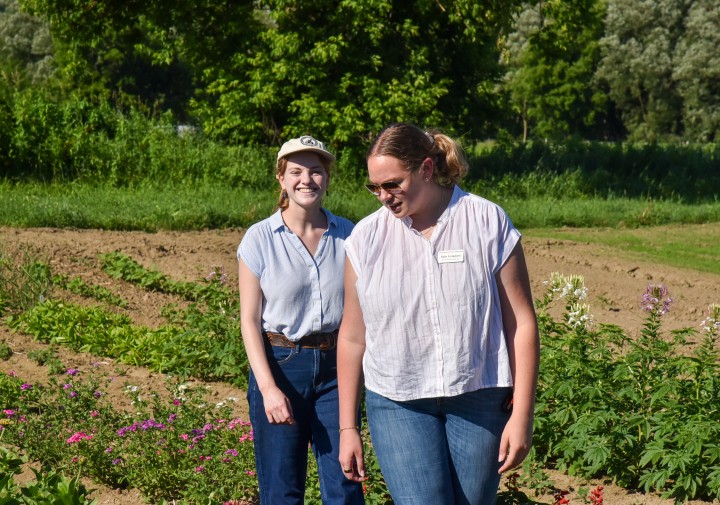
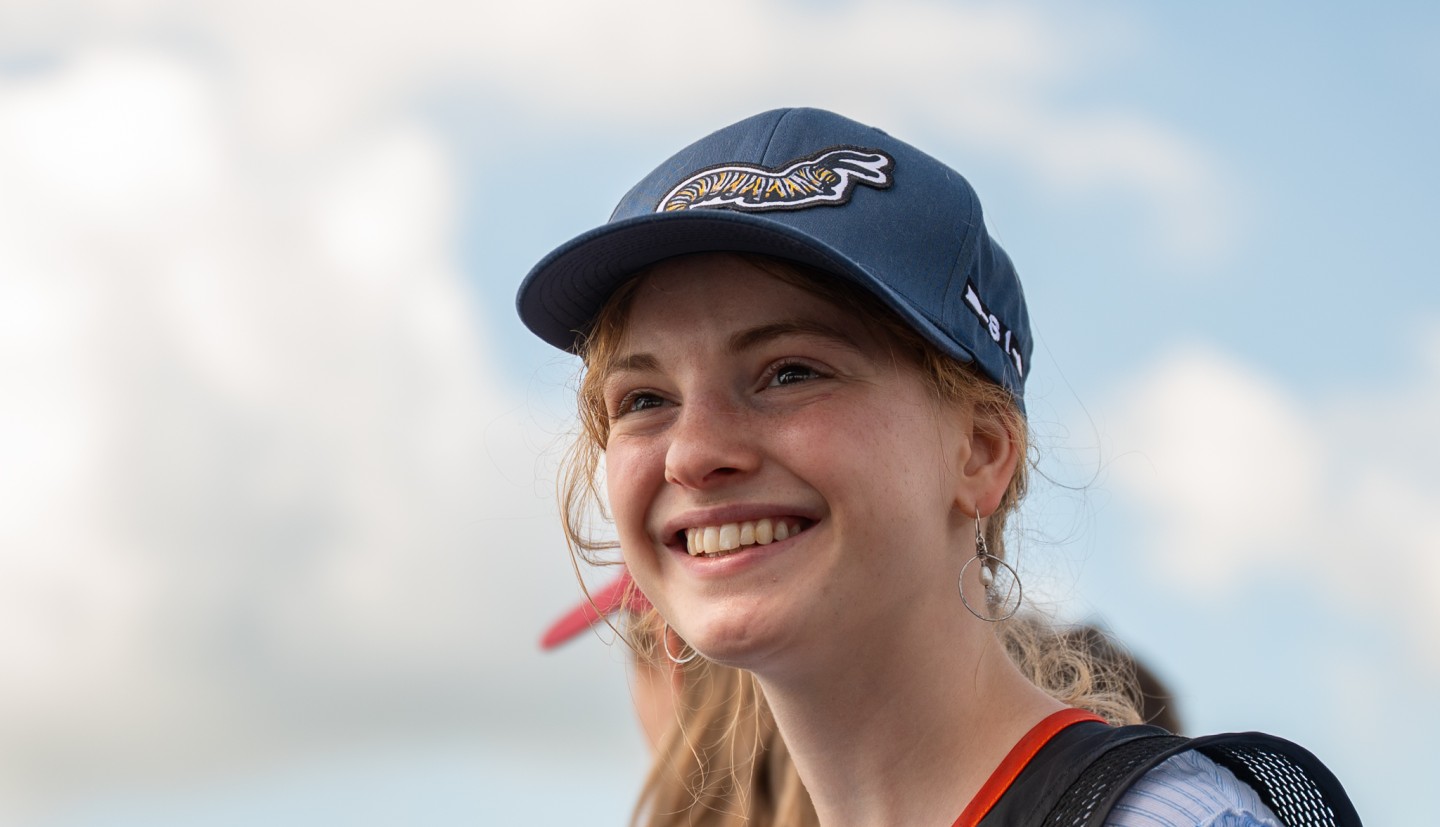
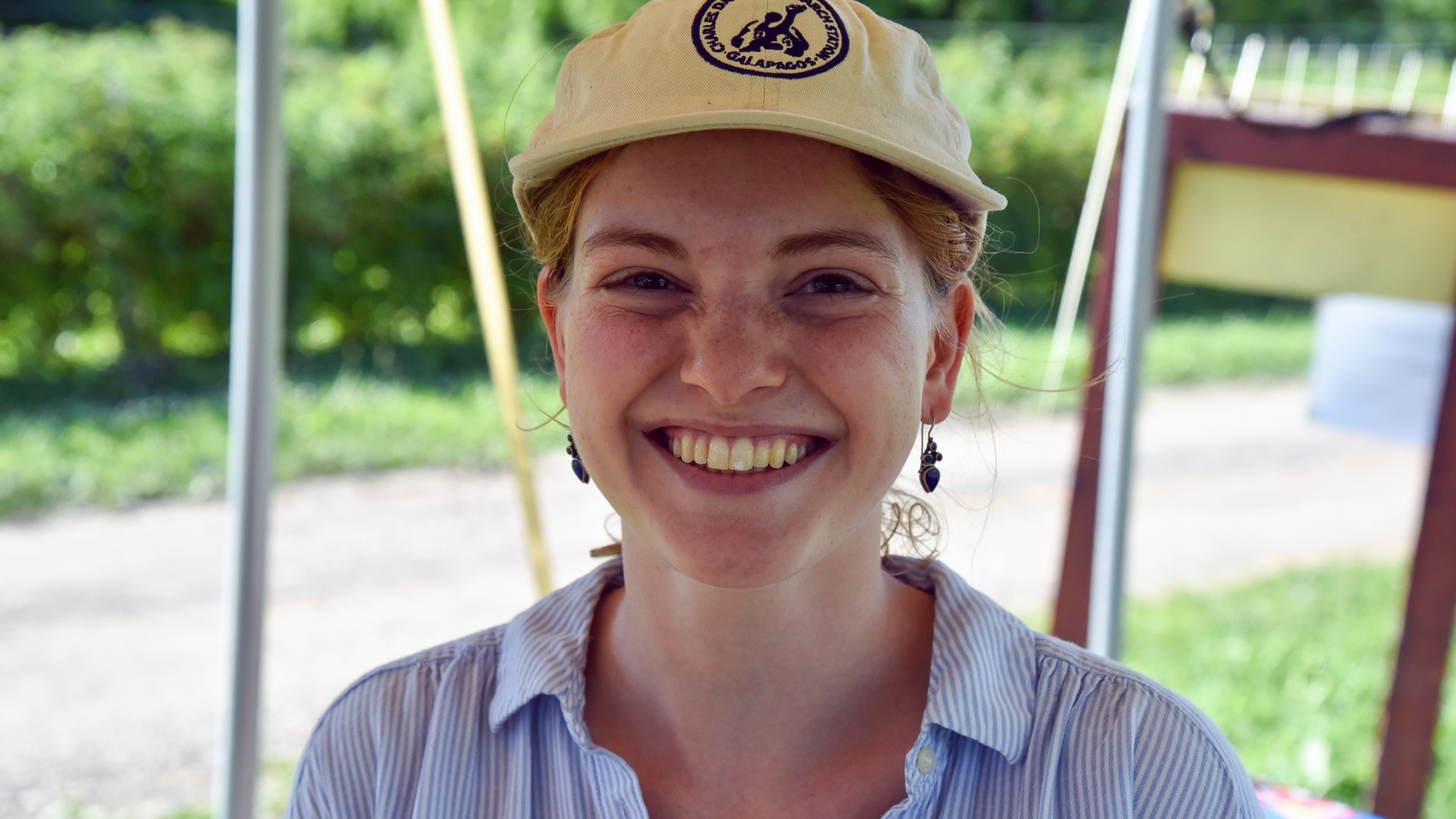
Anna Lovat β€˜28, a Minnesota native and rising junior studying entomology at Cornell University's College of Agriculture and Life Sciences, spent the summer connecting with local cut flower farmers in Madison County. Interning with Cornell Cooperative Extension (CCE) Madison County, Lovat focused on pest concerns such as the New World screwworm and explored the diverse flowers grown across upstate New York.

Stepping into the field

When I started my internship with CCE Madison County , I was filled with a mix of curiosity and anticipation for all there was to learn. I was eager to immerse myself in an environment brimming with opportunities for growth.

Working closely with cut flower farmers, my main task was developing a quick guide on the pests and diseases they face. This experience opened my eyes to a vibrant and emerging field populated by diverse growers. Figuring out how to tailor support to each unique situation was both challenging and rewarding. For me, it’s all about helping someone in the most effective way possible.

Connecting cultures through Cooperative Extension

Cooperative Extension's reach extends far beyond agricultural support. From engaging in canning classes to exploring sourdough baking, I found myself in a community deeply connected to the earth in various ways. Despite my urban upbringing , I quickly adapted, continuously amazed at how people engage with nature.

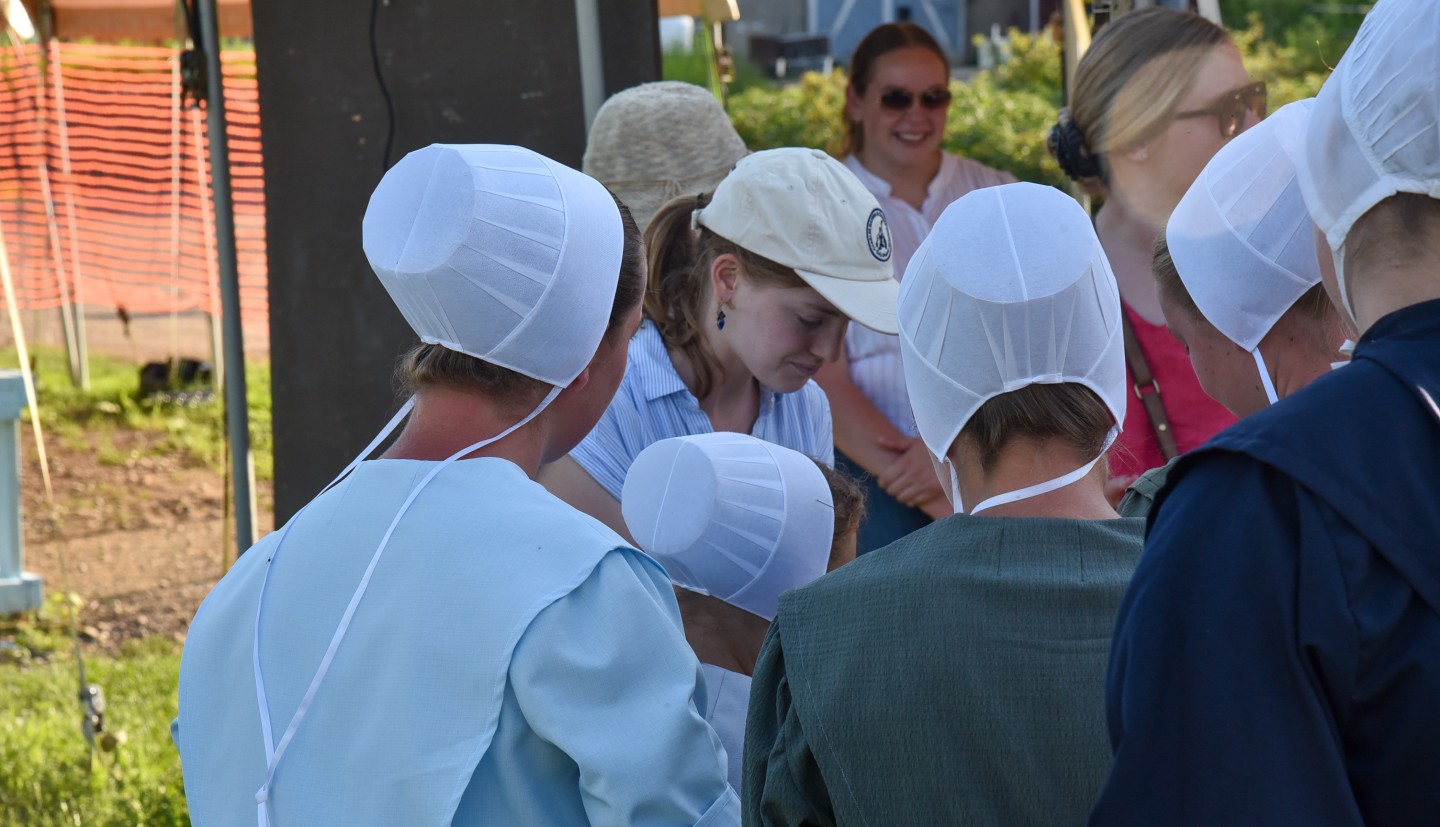
Each encounter with local farmers became a source of inspiration. Traveling to different farms, I met growers employing a wide range of practices. These visits taught me valuable lessons, emphasizing the complex puzzle of ecosystems and communities that academia sometimes overlooks.

Making science accessible

My internship highlighted the significance of science communication and storytelling, a theme dear to my heart. I often pondered, "How do we get science into the hands of people who use it every day?" By listening and learning from those doing real work, I gained knowledge that transcended the classroom.

Seeing the real-world applications of my studies was exhilarating. My skills and classroom knowledge translated into meaningful contributions. Witnessing my learning come to life in practical scenarios enriched my educational journey beyond textbook theories.

Finding a calling

My journey through this internship wasn't just about gaining professional experience; it was about engaging in an ongoing conversation that bridges academia and agriculture. By stepping into this role, I discovered new growth avenues, broadened my perspectives, and found my calling in science communication.

To learn more about Anna's experience as an intern you can read her blog posts here.

Keep Exploring

MFO volunteers learn some of the finer points to assess tree health and quality from MFO Regional Director Shane Stevens of CCE Columbia-Greene. This training at the Siuslaw Model Forest also allowed the volunteers to learn about deer fencing as a way to reduce deer impacts.

Report

Relevance Nearly 800,000 private woodland owners manage more than 10 million acres of forestland across New York. These forests support environmental quality, wildlife habitat, forest products and rural economies. Most landowners lack formal...
  • Cornell Cooperative Extension
Cut Flowers Agritourism

Report

Relevance Agritourism has become an increasingly important strategy for farm diversification and economic sustainability in New York. According to the 2022 USDA Census of Agriculture, 947 New York farms offered agritourism, generating $55.5...
  • Cornell Cooperative Extension