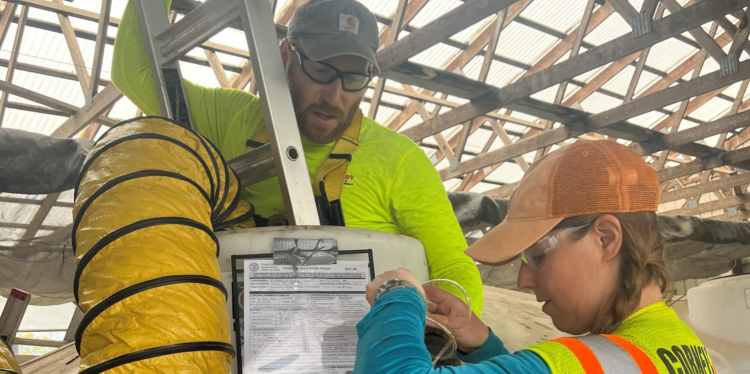
Cornell CALS PRO‑DAIRY has released a comprehensive Manure Gas Safety Technical Guide designed to help farmers, farm employees and agricultural service providers better understand and manage the atmospheric hazards associated with manure handling and confined spaces. Authored by Jason Oliver, Ph.D., Dairy Environmental Systems Engineer with PRO‑DAIRY, the guide provides science‑based, practical safety information aimed at reducing preventable injuries and fatalities on farms.
The publication highlights the serious risks posed by toxic gases such as hydrogen sulfide, ammonia, nitrogen dioxide, carbon monoxide and combustible gases like methane, all of which can accumulate in manure storage structures, silos, pits and other agricultural confined spaces. As the guide notes, “Hydrogen sulfide is generated naturally in anaerobic manure storage and is by far the most dangerous manure gas.” It also emphasizes steps one can take to ensure hazards are avoided or mitigated when one must enter an agricultural confined space.
The new guide provides detailed explanations of exposure limits, atmospheric monitoring requirements, and the proper use of single‑gas meters and multigas meters. It stresses the importance of bump testing, calibration and wearing monitors within the worker’s breathing zone.
A major portion of the guide focuses on confined space entry, outlining OSHA‑aligned definitions, employer obligations and the essential components of a written confined space program. The publication includes a full example of a permit‑required confined space entry form, detailing acceptable atmospheric conditions, required equipment, communication procedures and emergency rescue planning. The guide reinforces that ventilation, while critical, does not eliminate the need for a permit: “Tank ventilation does not allow an employer to reclassify a permit‑required confined space.”
PRO‑DAIRY developed this resource to support New York’s dairy industry and agricultural community in strengthening safety culture and reducing risk. By translating regulatory standards and scientific knowledge into clear, actionable steps, the guide empowers farms of all sizes to implement safer practices around manure storage, handling and equipment maintenance.
“Farmworkers face unique and often invisible hazards when working around manure systems,” Oliver said. “Our goal is to provide tools that help farms protect their teams and make informed decisions about atmospheric monitoring, ventilation, and safe entry procedures.”