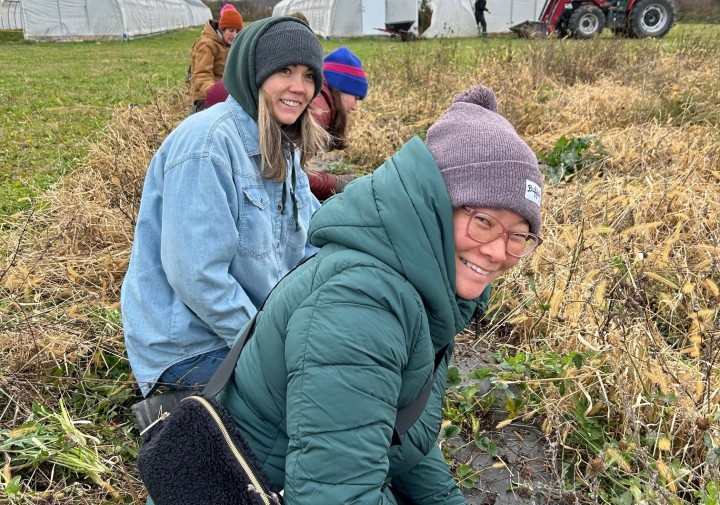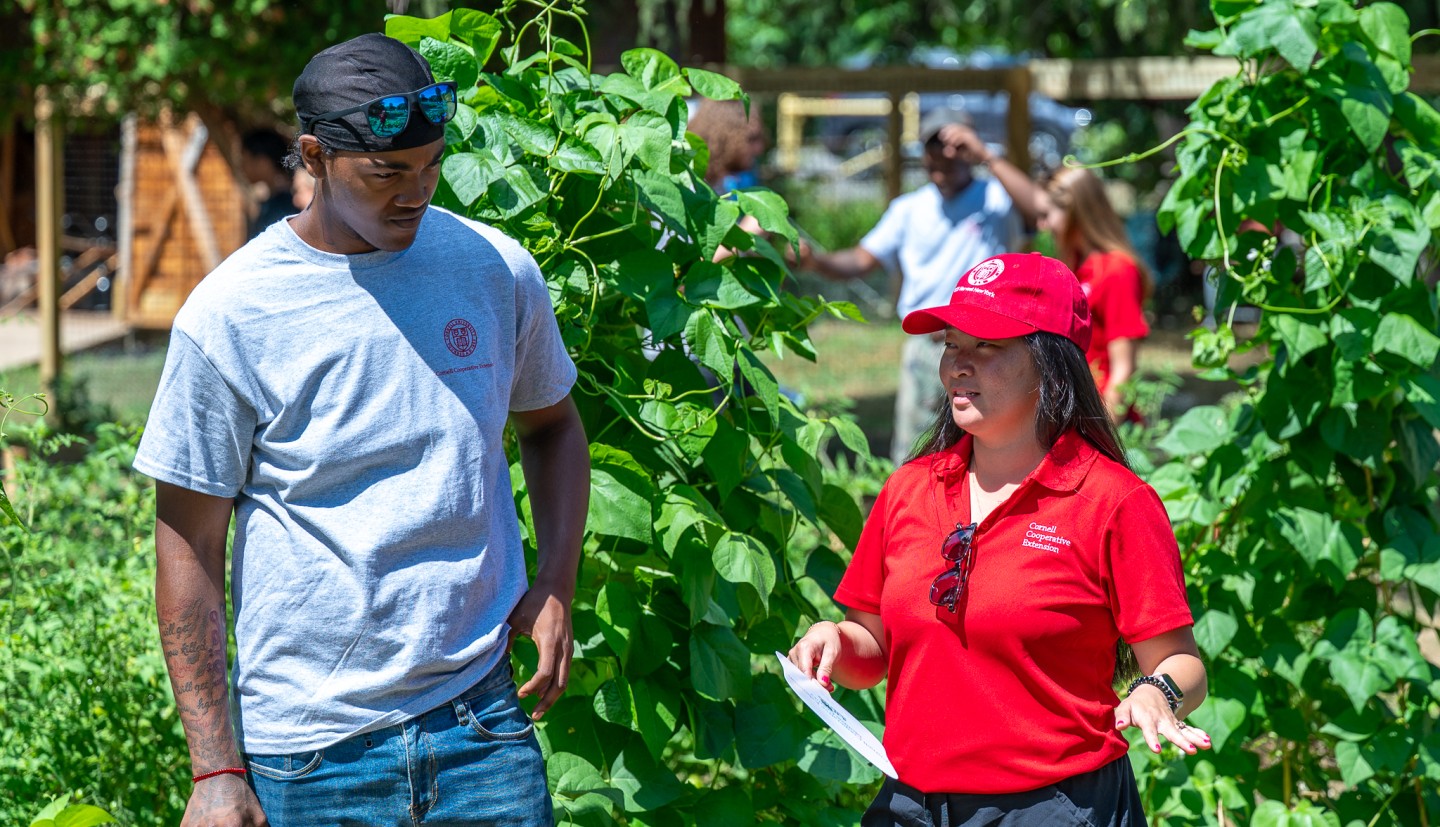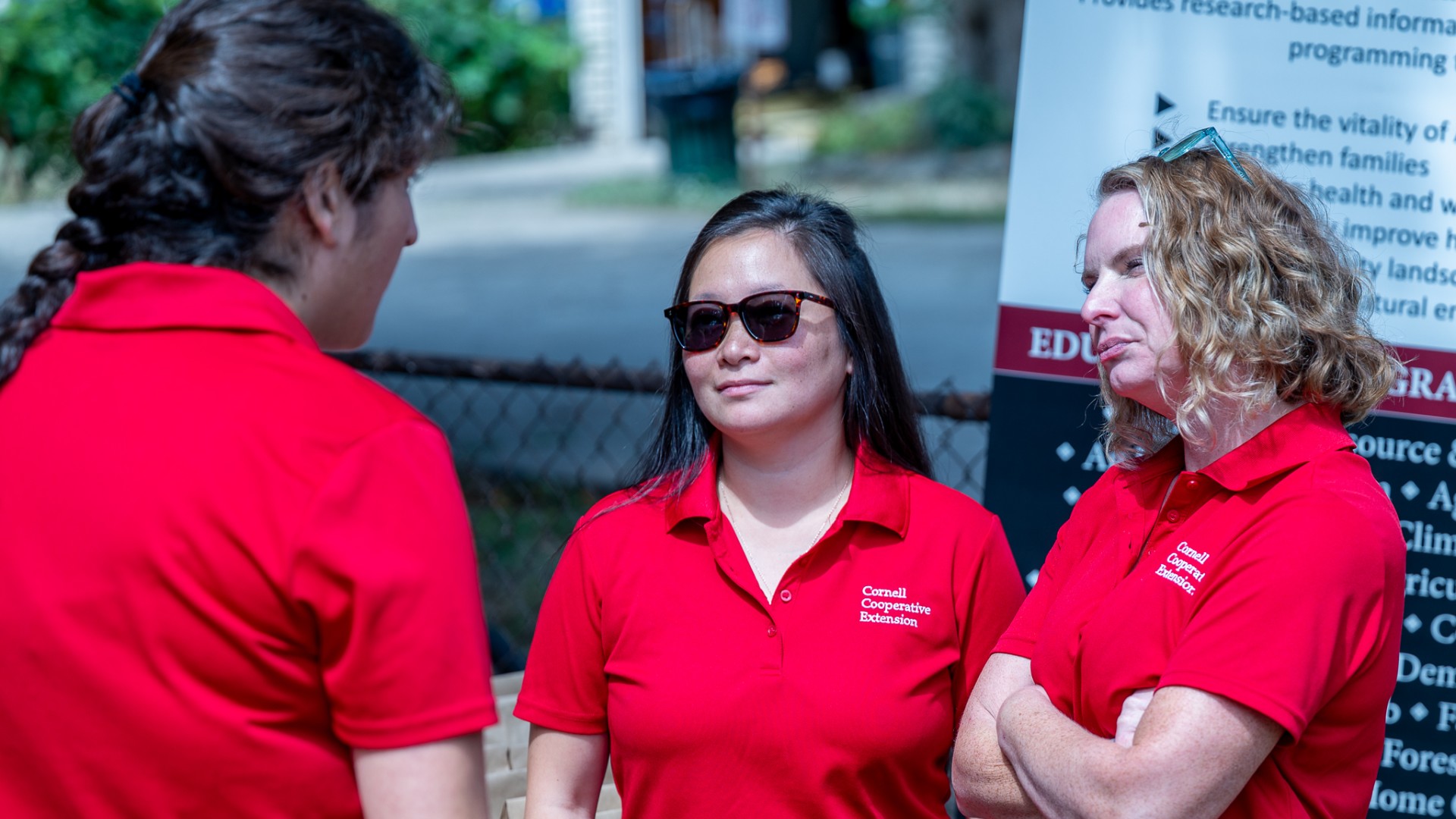
Cornell Cooperative Extension Urban Garden Specialist Mallory Hohl found her calling in urban agriculture while studying public health at SUNY Buffalo and interning with the Massachusetts Avenue Project (MAP) in Buffalo. After seven years with SNAP-Ed at CCE Erie County, Hohl joined Harvest New York and now coordinates the Rochester Urban Ag Working Group and the Community Gardens Soil Testing Program, connecting campus expertise with local communities.
Urban Garden Specialist
My path to Harvest New York
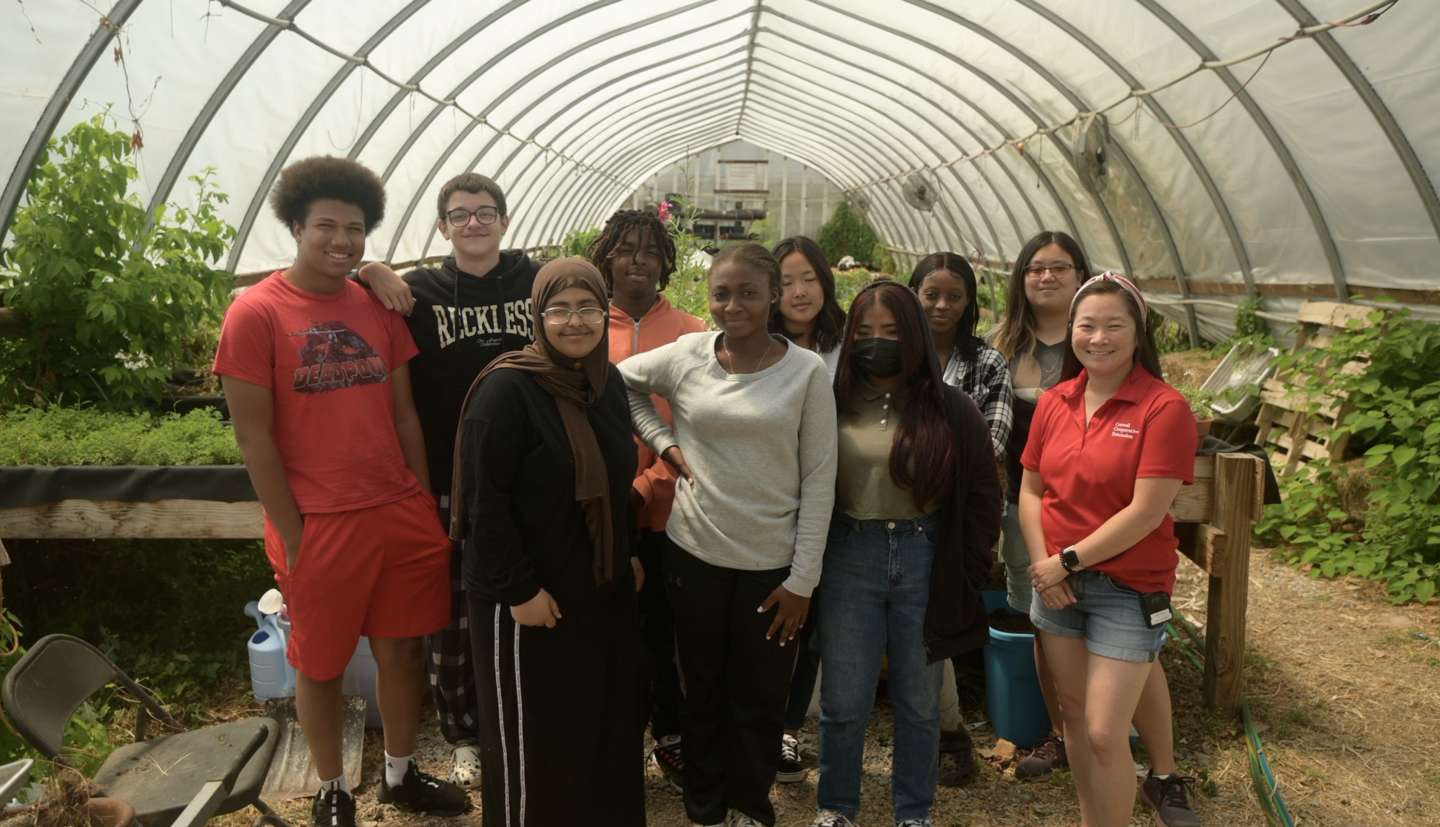
I grew up in the suburbs without a farm background and found gardening later. Studying public health at SUNY Buffalo led to an internship at the Massachusetts Avenue Project.
At MAP, I saw urban agriculture in action- a mobile market delivering fresh produce to underserved neighborhoods, youth and workforce development programs, and affordable access. Seeing that community impact steered me toward nutrition and community-focused work.
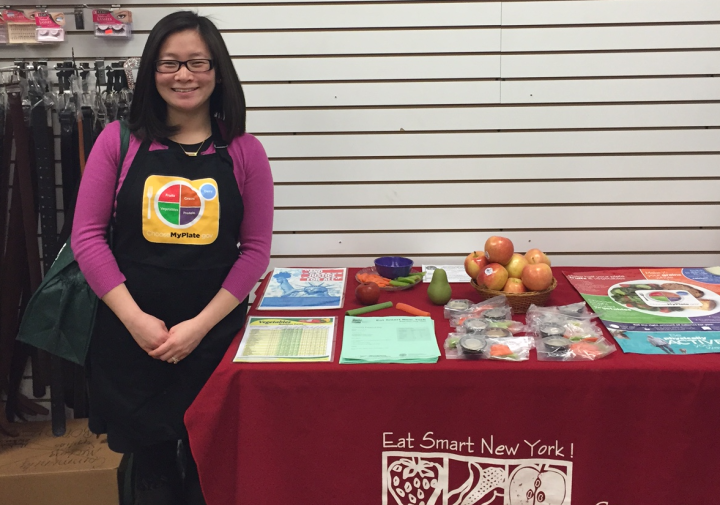
I later joined CCE Erie County in 2015, and spent nearly seven years as a SNAP-Ed educator there. I delivered nutrition education and built strong ties with community organizations and urban and small-scale growers, staying connected with MAP through projects and events.
A former SNAP-Ed colleague who had moved to Harvest New York told me about an Urban Garden Specialist opening just before it closed. I was not actively job hunting, but I applied and was hired. The role has been a great fit, building on existing relationships while supporting urban growers across multiple counties.
I coordinate efforts like the Rochester Urban Ag Working Group’s spring conference and the Community Garden Soil Testing Program with NYS Ag and Markets and the Cornell Soil Health Lab, and I help connect communities to campus expertise.
What is a typical workday like?
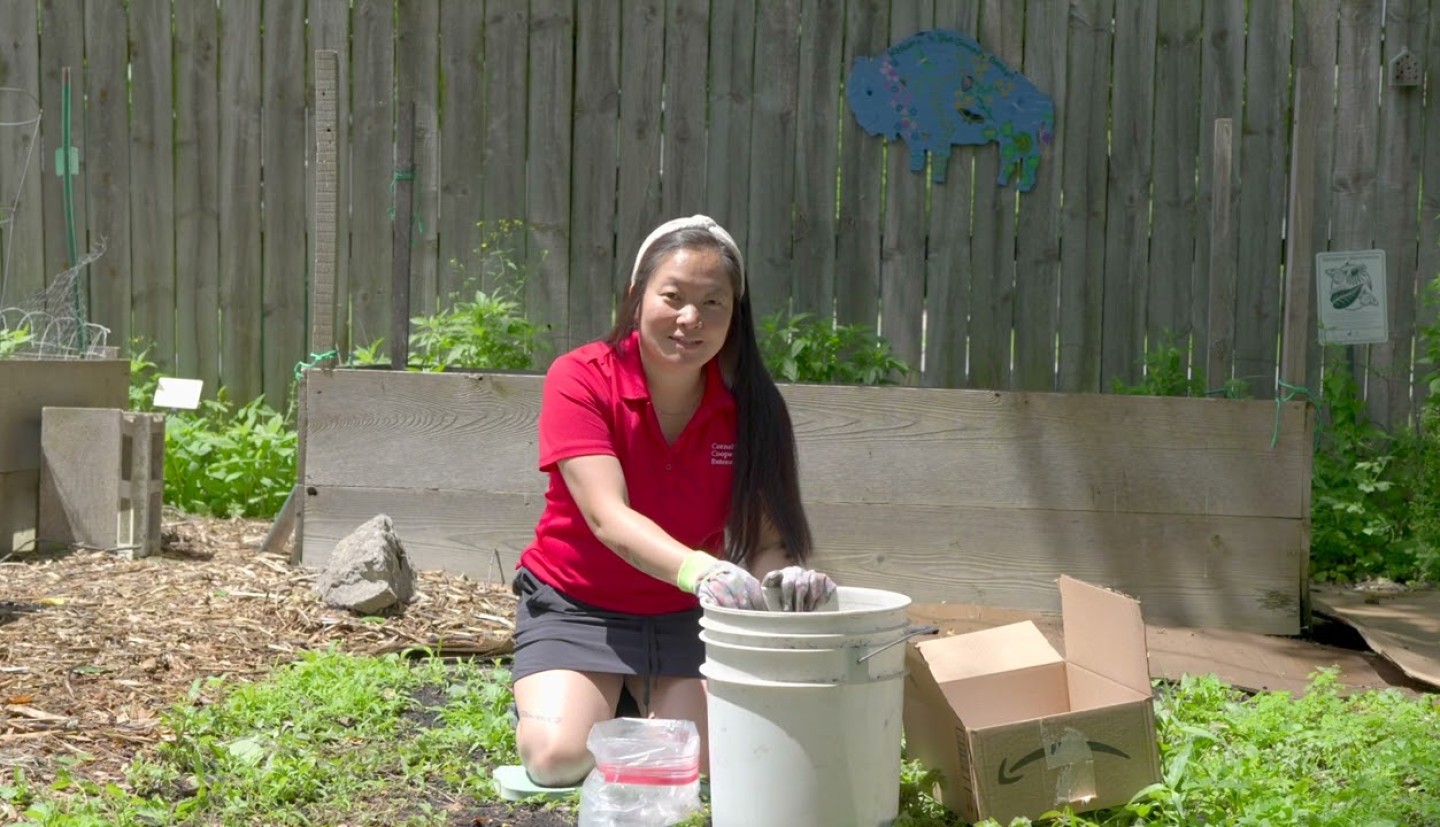
I moved from SNAP-Ed, which has a highly prescribed role with set lesson plans, to Harvest New York, which offers far more flexibility to pursue ideas and partner needs. Right now, I’m coordinating Rochester’s Urban Ag Working Group and planning a spring conference. I also manage the Community Garden Soil Testing Program, in partnership with NYS Ag and Markets and the Cornell Soil Health Lab which provides no-cost soil tests to community and home growers who share food for free.
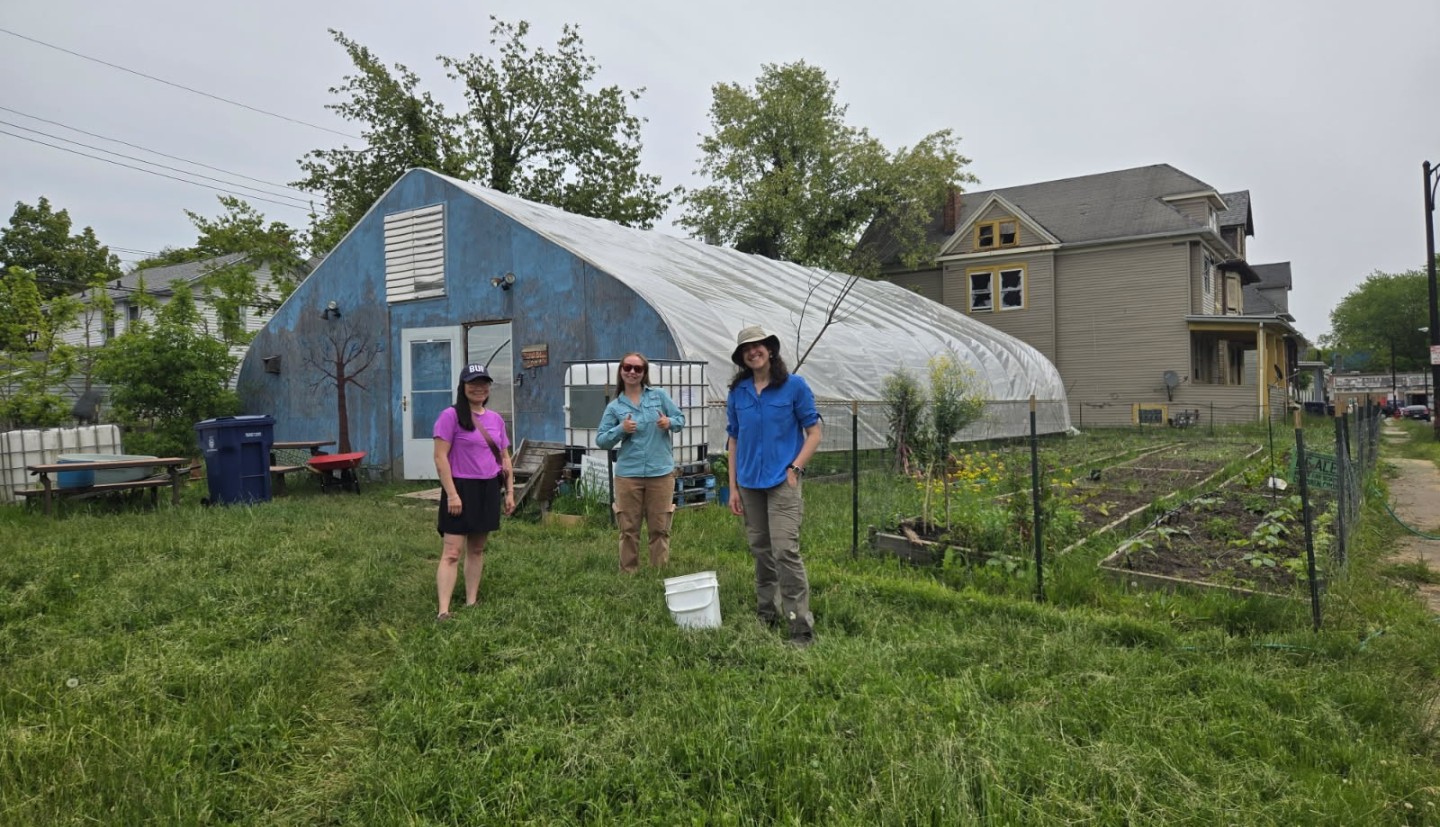
My days are a busy mix of logistics and outreach: one week might include visiting a Rochester urban farm to discuss partnerships, soil testing, workshops, and support for a spring seedling giveaway. Each day is different with some office work, some fieldwork, and plenty of meetings.
Mentors
I’ve consistently felt supported and connected during my time at CCE. In SNAP-Ed I formed friendships that grew from working relationships. When I was offered the Harvest New York role I called CCE Erie’s executive director, Diane Held, whose advice to do what was best for me made the decision easier.
Since moving to this new role, I continue to feel included and supported: Andrea Lista executive director at CCE Monroe checks in even when I’m not onsite, and my supervisor, Harvest NY Team Leader, Judson Reid, is approachable and welcoming. I’m comfortable speaking candidly with him, colleague to colleague. He fosters a non-hierarchical, we’re all in this together team culture. Campus partners at the College of Agriculture and Life Sciences are welcoming and enthusiastic, and it’s a treat to see them in person. This kind of support has been constant throughout my time at CCE.
Bridging campus and community
From my experience, starting in a county association before joining an area team was a real advantage. Area team roles sit in the middle between campus and county extension, and working across multiple counties can make it hard to fit in. My pre-existing relationships in Erie and Monroe helped me feel included, but building those connections from scratch as an area team member can be challenging.
Through it, I’m better equipped to bridge campus and community. Extension can feel removed from Cornell AgritTech or the Ithaca campus, but in this role, I work across counties while staying just one step from campus. I’ve met and collaborated with many campus experts I wouldn’t have otherwise, broadening my network and giving me approachable go-to contacts when questions arise.
The value of community gardens
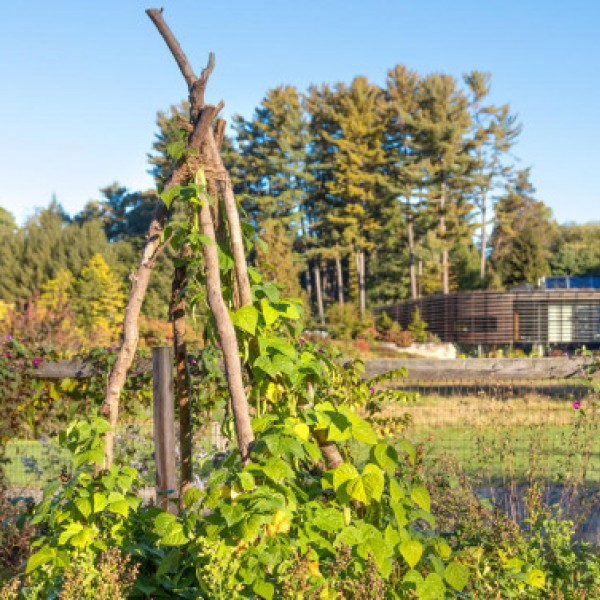
Growing food and building a resilient local food system are vital, but the sense of community matters just as much. Community gardens beautify neighborhoods and create safe, welcoming third spaces where people can gather, kids can play, and neighbors can sit and read. In many areas that lack such places, a clean, attractive garden offers a space to feel safe, take pride, and be social.
Gardening also provides meaningful physical activity. You invest hours of care, the plants rely on you, and the harvest brings real joy. Because these gardens are close to home and often walkable, they offer a place outside of home and work to connect with others and strengthen neighborhood solidarity.
Beyond community gardens
There’s growing interest not only in finding community gardens but in small-space home gardening. Many people can’t access a community garden plot and want to know how to grow a few plants on a patio or maximize what they can produce at home. Some of the focus is shifting from starting new community gardens to growing for one’s family, building independence and resilience.
Even growing a few plants on your patio or in a small backyard garden, the process of guiding a plant from seed to blossom to fruit, then eating it, is powerful. The pride of growing even two tomatoes and understanding each step is meaningful and good for the soul, regardless of how perfect the tomato is.
Keep Exploring
News
- Cornell Cooperative Extension
Report
- Cornell Cooperative Extension
- PRO-DAIRY
- Animal Science
We openly share valuable knowledge.
Sign up for more insights, discoveries and solutions.