Response
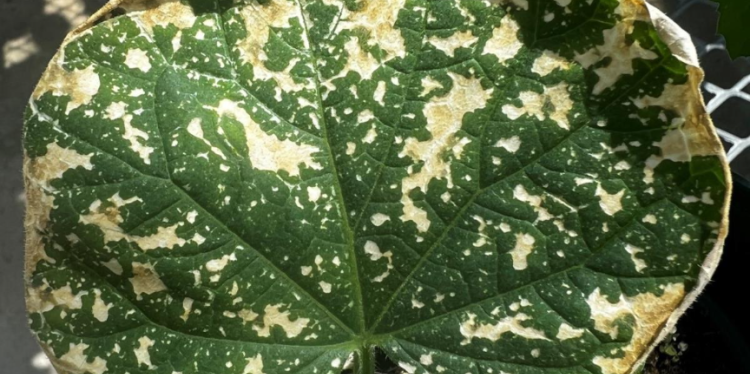
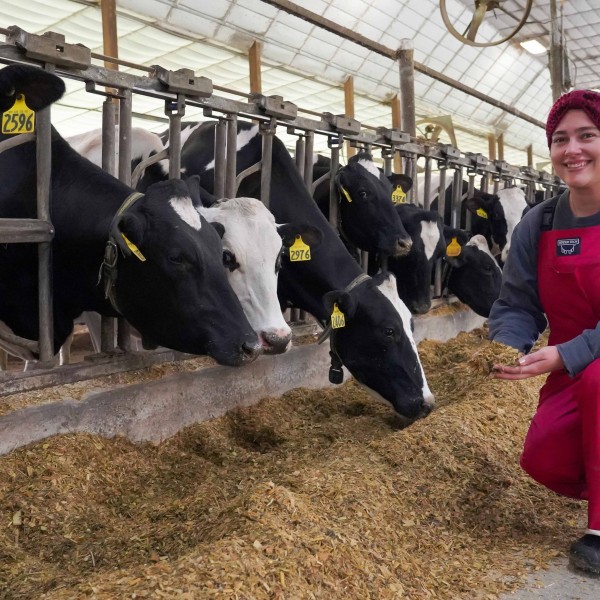
Cornell University developed a herbicide training course to improve grower knowledge of herbicide modes of action, plant symptomology, and off-target effects. This program was delivered at major regional grower conferences, in collaboration with Rutgers University. High-quality herbicide injury images were curated for the CALS Weed Science webpage and other CALS-based outlets, such as the USDA Hemp Multistate Project S1084. The program also included training on the EPA’s Herbicide Strategy for ESA compliance, and a nationwide webinar drew more than 200 attendees, with over 1,000 additional views online. Extension educators and collaborators shared resources through workshops, publications, and web-based platforms to ensure widespread reach among farmers, consultants, and specialists.
Results
Over 1,000 stakeholders, including farmers, crop consultants, and extension personnel, participated in in-person trainings and webinars focused on herbicide activity and symptomology. Surveys indicated that 95 percent of participants learned new, actionable information, and 73 percent intended to implement changes in their herbicide practices. Herbicide injury photographs and symptomology notes were integrated into Cornell extension publications, improving reference materials for growers. Knowledge of the EPA’s Herbicide Strategy increased by 42 percent among webinar participants, helping prepare producers for upcoming label changes and mitigation practices. The project effectively combined research, outreach, and policy education to enhance safe herbicide use statewide. Although support for the effort ended in 2024, Dr. Sosnoskie continues to update and deliver her training materials. This project catalyzed current research projects to investigate novel weed control technologies that reduce herbicide inputs, worker exposure, and crop injury potential.
Public Value
By improving grower understanding of herbicide performance and off-target risks, Cornell University is helping farmers apply products more responsibly, reducing crop injury, protecting surrounding vegetation, and safeguarding endangered species. This work supports public health, environmental stewardship, and long-term agricultural productivity by promoting safer, science-based herbicide practices across New York and beyond.