Back

Discover CALS

See how our current work and research is bringing new thinking and new solutions to some of today's biggest challenges.

Share
  • Cornell Cooperative Extension
Impact: Agriculture and Food Systems

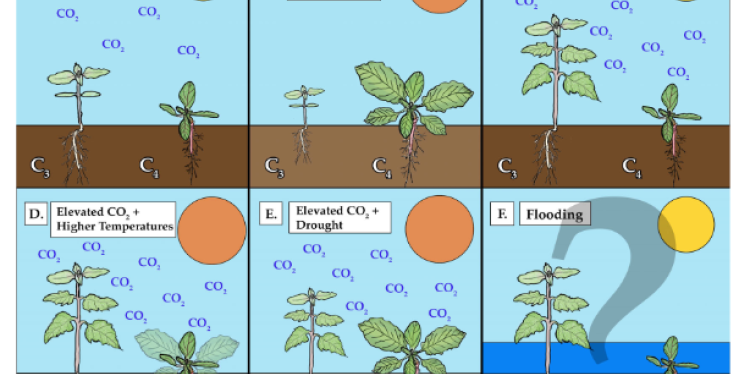
Climate change is altering weed dynamics on dairy and field crop farms across New York State. Shifts in temperature, precipitation, and seasonal patterns are reducing herbicide effectiveness, increasing the spread of invasive species, and intensifying weed–crop competition. Farmers are facing both new and more persistent weed challenges but lack targeted guidance on how climate factors are shaping weed pressures or which practices to adopt in response. This knowledge gap threatens farm productivity and long-term sustainability. 

Cornell University researchers surveyed 72 dairy and field crop farmers in 34 New York counties to document current and problematic weeds and gauge concern about climate impacts. Twenty-three farmers participated in interviews to provide deeper insight into weed management practices and perceived challenges. Researchers then conducted three systematic literature reviews on herbicide efficacy, shifting weed ranges, and changing weed competitiveness under climate change. This information was transformed into practical tools—fact sheets, web content, printed materials, and presentations—delivered through Cornell Cooperative Extension, New York State Integrated Pest Management, and Soil and Water Conservation District networks. 

Results

The study confirmed a rise in herbicide-resistant annual grasses, especially foxtail species, and persistent perennials like multiflora rose. Outreach efforts included ten presentations and multiple publications, reaching farmers statewide. An article was featured in Veg Edge, and printed materials were distributed at major extension events. A new initiative at Cornell now screens foxtail grasses for herbicide resistance. Farmers gained clear guidance on when herbicide efficacy may decline and how to shift to alternative control strategies. Teachers and extension personnel also reported professional growth through collaboration. 

Public Value Statement

By equipping farmers with climate-informed weed management tools, this project strengthens the resilience of New York’s agricultural systems. Improved weed control supports consistent crop yields, protects farm profitability, and helps rural communities maintain food production under shifting environmental conditions. 

Keep Exploring

Slashwall Cranmer Han

Report

Forest regeneration across the Northeastern United States is increasingly threatened by over-browsing from high deer populations, which limits seedling survival and prevents the establishment of new forest growth. Poor regeneration undermines...
  • Cornell Cooperative Extension
A bag in a field of buds

Report

Weed pressure remains one of the most persistent and costly challenges facing both organic and conventional farmers. Weeds compete directly with crops for water, nutrients and light, leading to reduced yields and profitability when not...
  • Cornell Cooperative Extension
