
Back

Discover CALS

See how our current work and research is bringing new thinking and new solutions to some of today's biggest challenges.

Share
  • Cornell Cooperative Extension
Impact: Agricultural Systems

Hard cider has emerged as a significant economic driver for apple growers, family farms, and agritourism, yet limited availability of suitable cider apple cultivars has constrained industry growth. Many U.S. cider producers rely on dessert apples or imported juice concentrate due to a lack of regionally adapted, research-based cultivar recommendations. This gap increases financial risk for growers considering long-term orchard investments. This challenge is addressed by generating and sharing applied research to support reliable cider apple production and strengthen regional supply chains. 
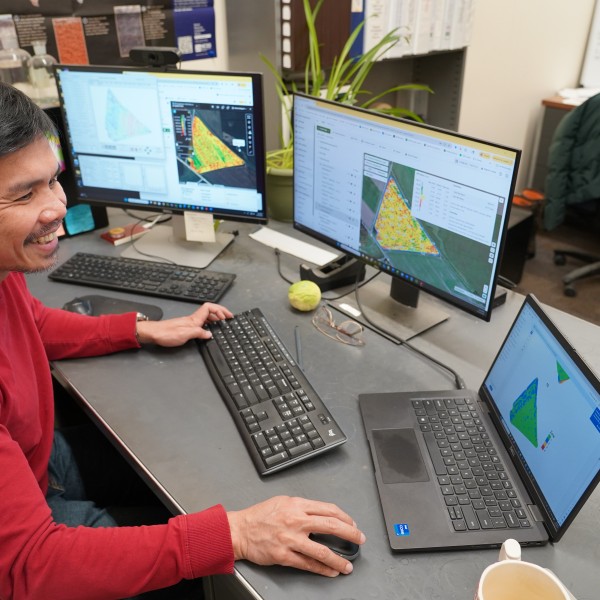
Cornell University conducted integrated research and extension activities to identify cider apple cultivars with strong potential for commercial success in New York. Researchers developed a publicly accessible digital database, CiderBase, compiling fruit quality, juice chemistry, and genetic data for 375 cider apple cultivars. The project also engaged growers and producers through cider apple showcases and citizen science efforts, enabling hands-on learning and sample submission for analysis. Results were disseminated through conferences, workshops, tours, and online platforms in collaboration with Cornell Cooperative Extension. 

Results

The project identified 12 cider apple cultivars with the greatest potential for New York production, providing growers with actionable guidance to reduce planting risk. CiderBase expanded access to data for 375 cultivars and attracts nearly 2,000 unique website visitors and more than 7,000 page views annually. Analysis of 49 foraged apple samples showed that 45% were classified as bittersharps and 14% as bittersweets, traits highly valued by cider producers but rare in commercial orchards. Genetic analysis indicated that 85% of sampled trees were likely unique, highlighting untapped regional diversity. These outcomes improved grower decision-making and strengthened connections between researchers, growers, and cider producers. 

Public Value Statement

By improving access to reliable cultivar information, this project supports farm profitability, supply chain stability, and rural economic development. Growers gain confidence to invest in high-value cider apples, while producers benefit from locally sourced fruit that enhances product quality. These outcomes contribute to job creation, agricultural diversification, and a more resilient hard cider industry. 

Keep Exploring

Difference between C3 and C4 plants graphic

Report

Climate change is altering weed dynamics on dairy and field crop farms across New York State. Shifts in temperature, precipitation, and seasonal patterns are reducing herbicide effectiveness, increasing the spread of invasive species, and...
  • Cornell Cooperative Extension
Slashwall Cranmer Han

Report

Forest regeneration across the Northeastern United States is increasingly threatened by over-browsing from high deer populations, which limits seedling survival and prevents the establishment of new forest growth. Poor regeneration undermines...
  • Cornell Cooperative Extension