Response
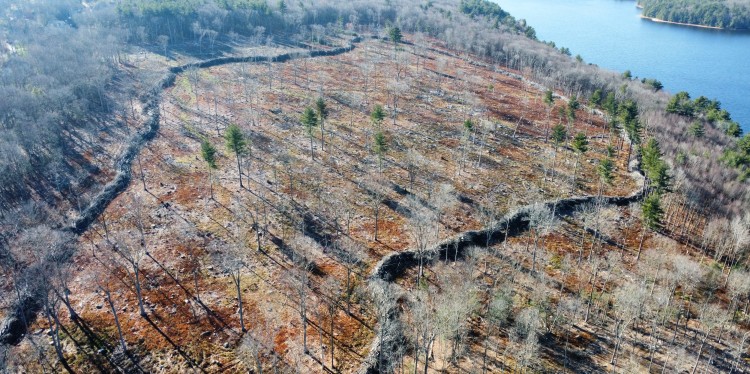
Major activities included applied research that was integrated with multiple and diverse extension events to reach all major stakeholders. Applied research centered on the costs of building slash walls, their effectiveness, and how the vegetation responded. The goals were to: share the effectiveness of slash walls with foresters, share the construction techniques with loggers, explain the need of deer exclusion to woodland owners, convince agency partners of slash wall legitimacy and value for cost-share funding, and with all stakeholders develop a shared understanding of the additional benefits for young forest wildlife, habitat diversification, and carbon sequestration. All major venues accessed by these stakeholders were utilized (e.g., national webinars, regional landowner conferences, state and regional professional society meetings, social media, regional popular press magazines). Over the course of this project, we connected with more than 2000 decision makers and stakeholders resulting in slash walls in NY, RI, MA, CT, NH, VT, PA, and MI (as of 2025).
Results
The multi-faceted target audience benefited by clear, concise, and deliberate educational delivery that helped them move to their next desired step. The results are evident by the wide-spread adoption, relative to the scale of the endeavor, perhaps more than any other forestry practice in at least the last half century of forest science. Slash walls have been adopted and installed by private woodland owners without assistance, private consulting foresters, state agency personnel, FSC certified timber companies, NGOs, federal agencies, and academic research professionals.
Public Value
Through targeted engagement with foresters, loggers, woodland owners, and agency partners, our comprehensive approach has effectively communicated the benefits and techniques of slash wall construction while highlighting their broader ecological significance. The widespread adoption of slash walls across diverse stakeholders underscores both slash wall effectiveness and the importance of deer exclusion for forest regeneration and diversity of wildlife habitat. Furthermore, public understanding of the importance of healthy forests and the role of slash walls in supporting wildlife habitat, carbon sequestration, and sustainable forest management has been enhanced, contributing to the resilience and vitality of our natural landscapes.