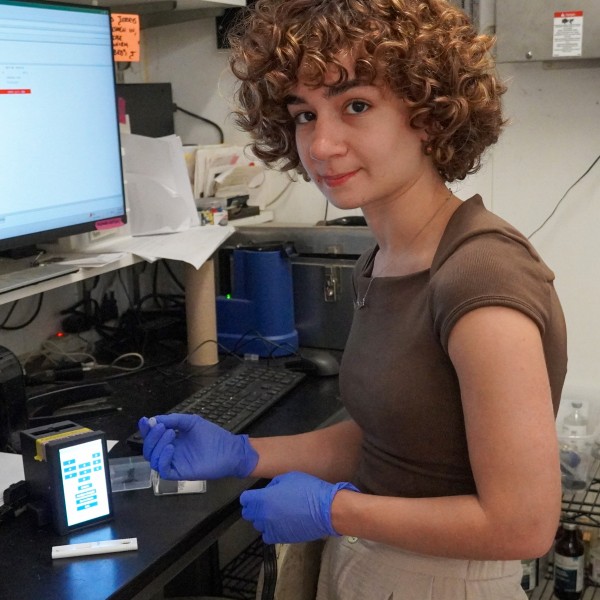
Haowen Hu PhD'26 is a doctoral student in the Animal Science Department working under the supervision of Kristan Reed, former Animal Science faculty member and the scientific director of the RuFaS project. His main research focuses on the Ruminant Farm Systems (RuFaS) digital modeling tool, which was developed by researchers in Animal Science and other Cornell departments, working with collaborators across academia, industry, government and nonprofits.
RuFaS allows researchers, farmers and producers to virtually test how changes to factors such as herd size or type of manure treatment affect a farm’s environmental impact, energy use and economics. RuFaS was just released last summer as open-source for any researcher, farmer or organization to use for free.
We spoke with Haowen about RuFaS and about his work helping to refine the tool.
Why does the dairy industry need RuFaS?
Running a dairy farm today means balancing more than just milk production. Farmers also need a solid business plan to stay profitable, smart strategies for handling manure and water to optimize resources, and careful management of breeding and genetics to keep herds healthy and productive. RuFaS is a tool designed to help them do just that.
As part of my PhD research, I adopted a systems engineering approach to map out what stakeholders need from the model, set requirements and test whether RuFaS delivers on those needs.