A Working Dairy Farm & Research Center

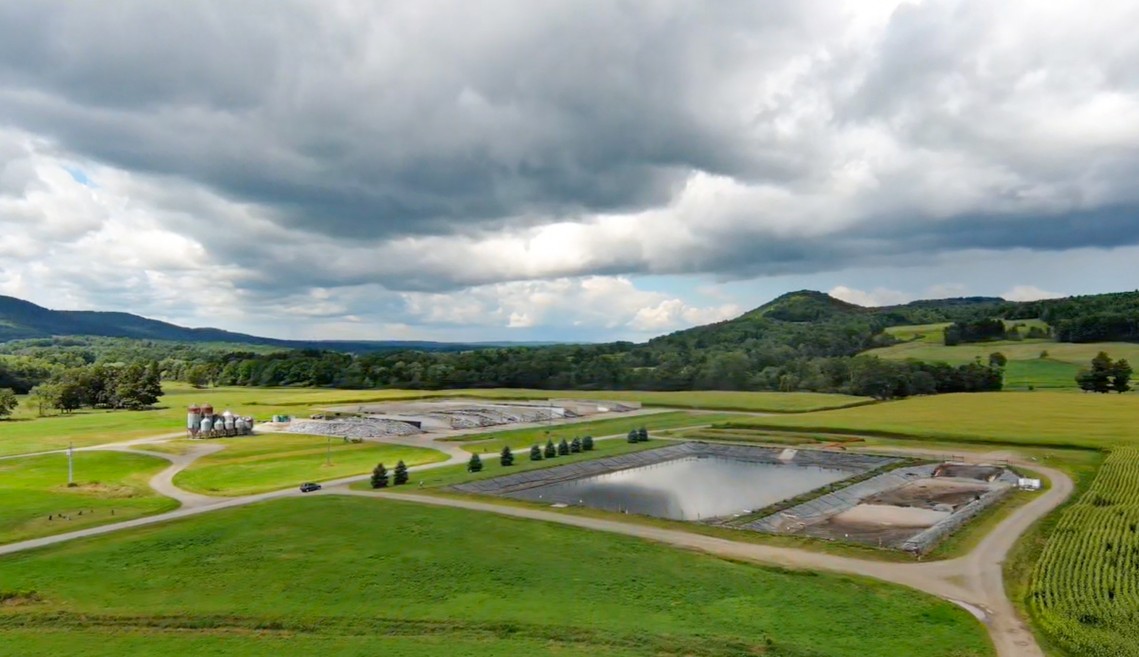
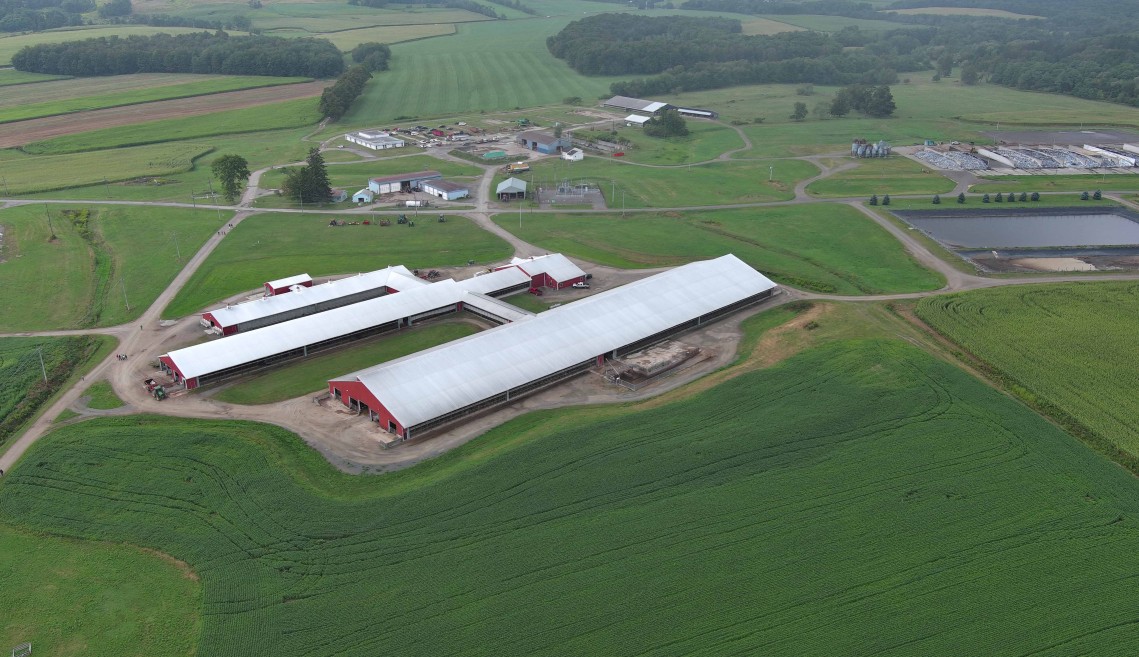
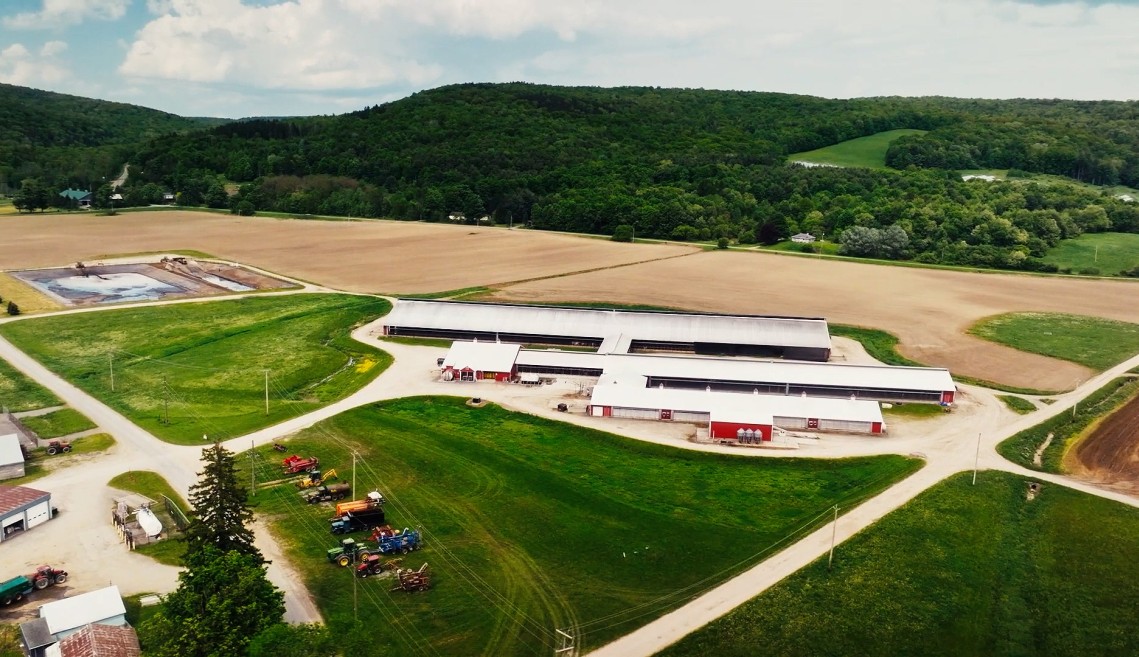
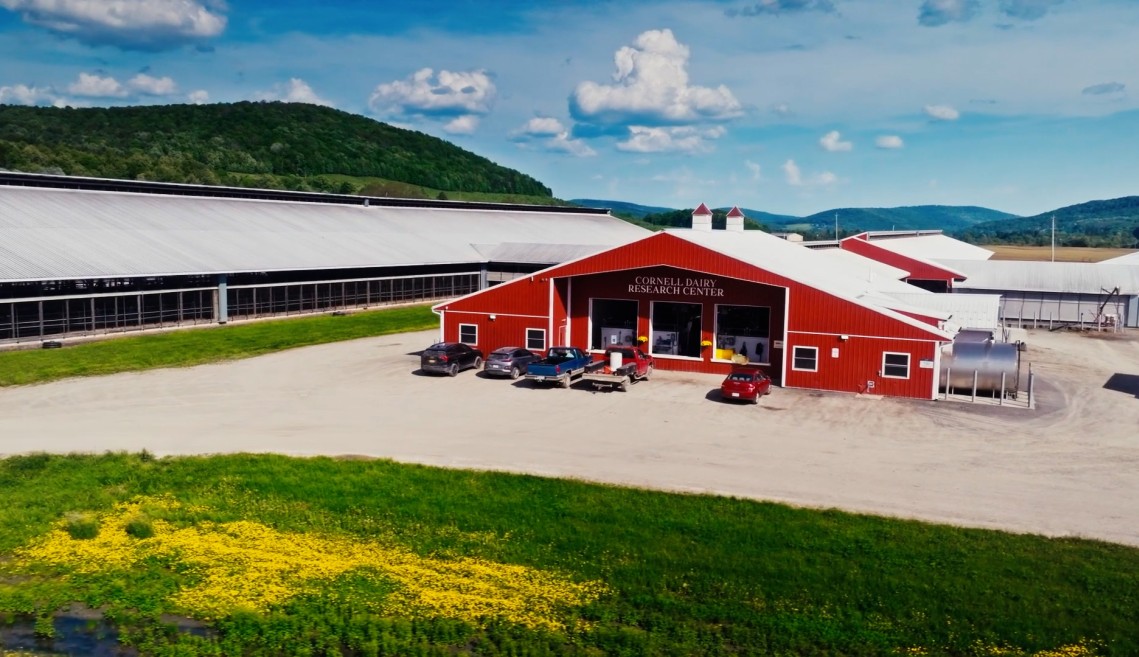
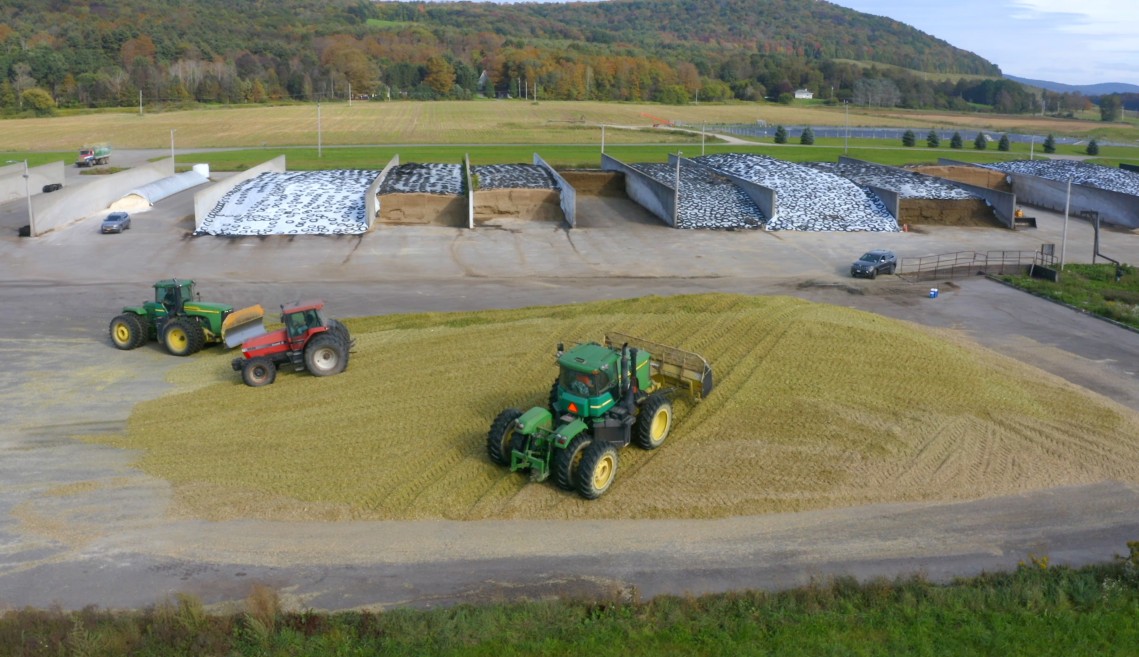
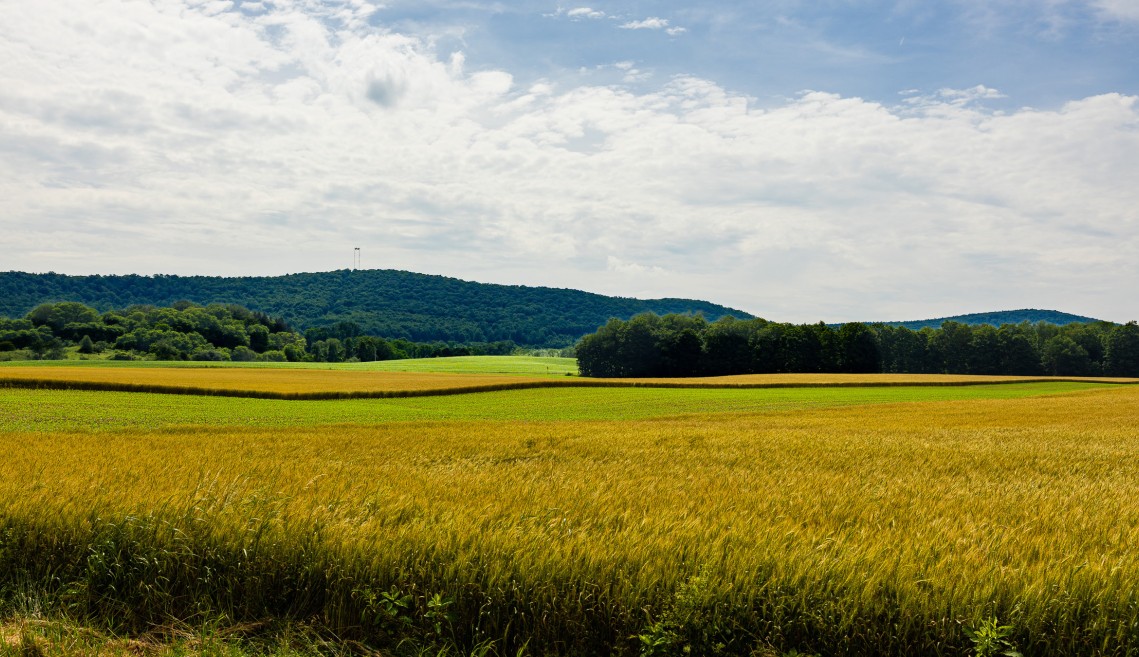
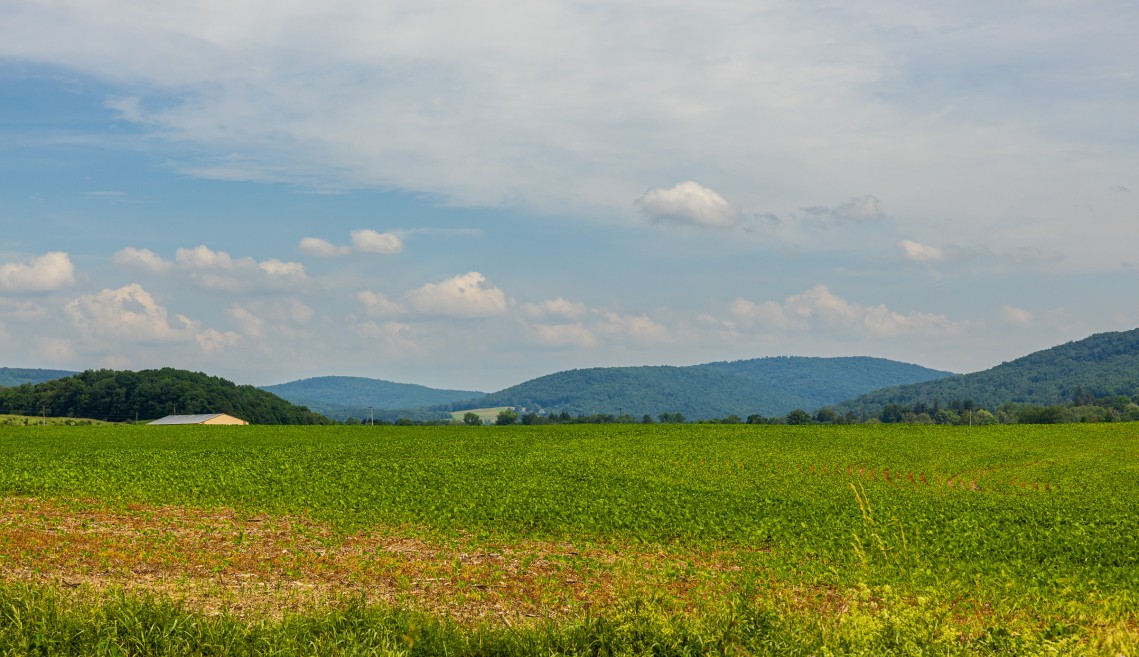
The Cornell University Ruminant Center (CURC) is the heart of the CAST program. It is located about 15 miles southeast of Cornell’s Ithaca campus. CURC features a dairy of approximately 700 adult cows (milking and dry) and an additional 420 head of youngstock, as well as approximately 2,000 acres of land. Field crops are grown to produce feed for the dairy herd.
+2,000

acres of land

+700

adult Holstein cows (milking and dry)

32,000

pounds of milk per cow per year

485

stalls in freestall barn

68

Calan gates

90

individual feeding and management stalls

Land

A majority of the land base at CURC consists of Howard and Chenango Soil series, which are gravelly loam soils comparable to gravel loam soils found in major crop-producing areas of the Midwest. There are also 150 to 200 acres of hill ground with poorer drained areas of clay. Altogether, the land gives a wide range of soil types that can be used for testing technologies and management practices of different kinds. 

The crop plan at CURC is flexible and is adapted as needed to conduct various types of research. In a typical year, the plan consists of  the following: 

  • 800 acres of corn (approximately 75% used for corn silage production and 35% harvested as corn grain)
  • Approximately 250 acres of winter cover crop (a mix of triticale, rye and oats planted in the fall)
  • 60 acres of winter wheat
  • 150 acres of soybeans (stored locally to be incorporated into cow diets throughout the year)
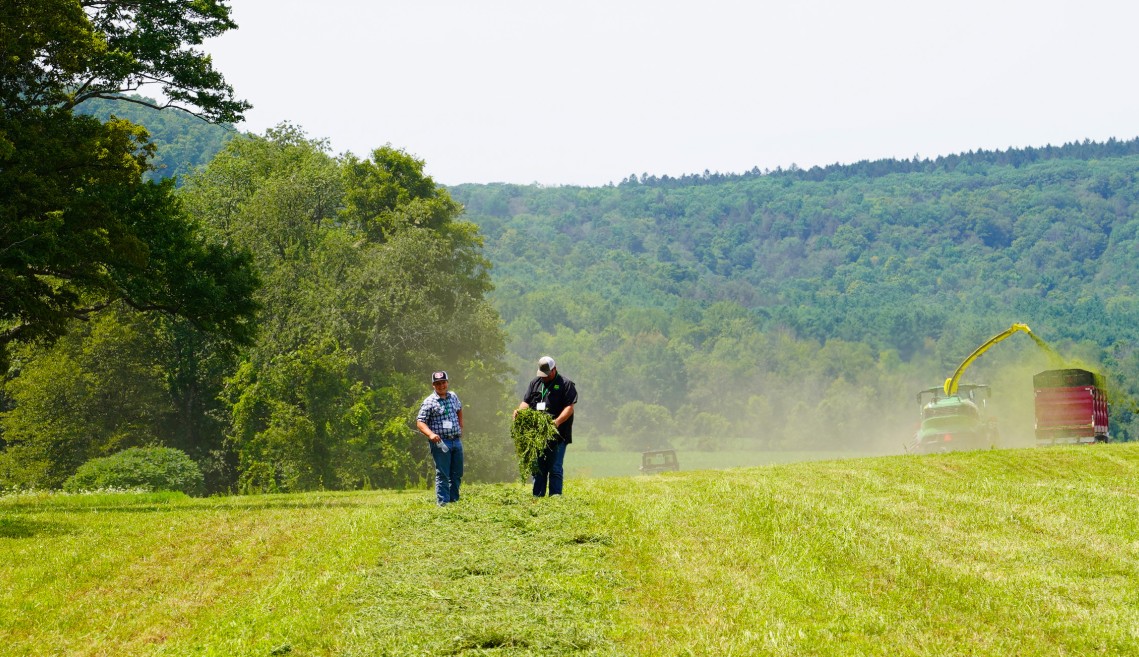
  • 250 acres of alfalfa seedings and 350 acres of grass seedings intensively managed to provide high-quality forage for lactating cows
  • 300 acres of grass managed less intensively for dry hay
  • 80 acres of grass seedings managed as organic, providing an opportunity for research in an organic setting

Animals

The dairy herd consists of purebred Holstein cattle. Approximately 385 post-weaned, breeding age and pregnant replacement heifers are raised in the facility in a free-stall unit until they join the milking herd. Cows are managed using advanced technologies and management practices.

The herd averages more than 32,000 pounds of milk per cow per year, which is the equivalent of 90 to 95 pounds of milk per cow per day. Some of the technologies and techniques used include:

  • Dairy herd and feeding management software
  • Automated feeding management tracking
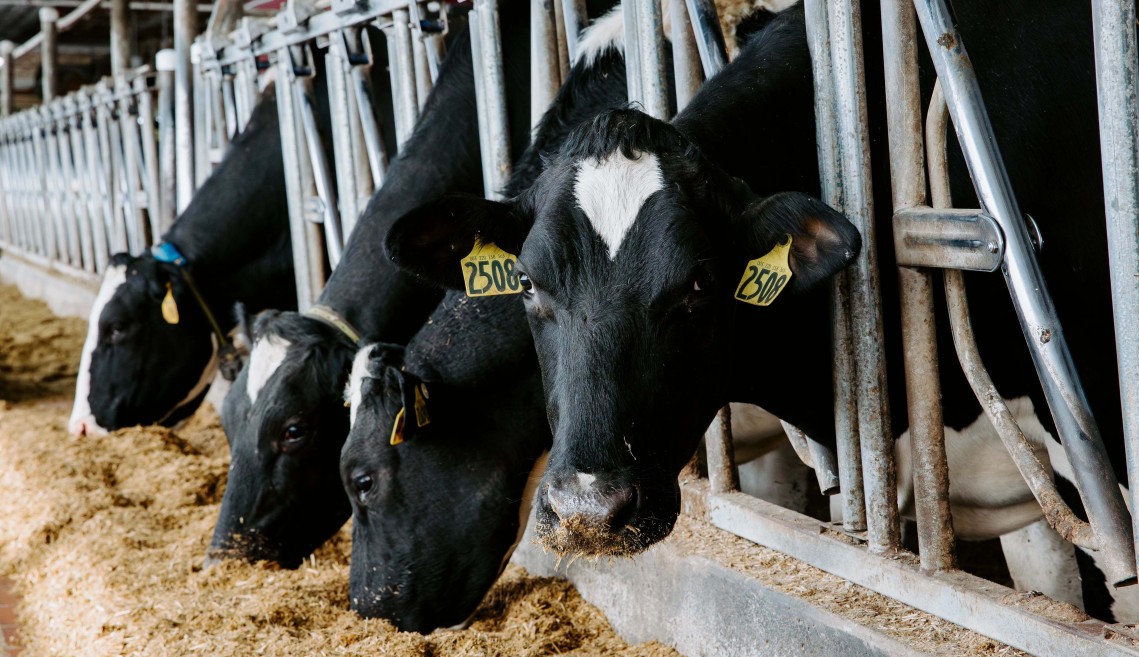
  • Individual feed delivery and intake monitoring
  • Automated body weight and body condition scoring
  • Total mixed ration feeding based on formulation with the Cornell Net Carbohydrate and Protein System (CNCPS)
  • Monthly DHIA testing and milk culture-based antimicrobial treatment for clinical mastitis
  • Automated detection of estrus, synchronization of ovulation for timed artificial insemination and ultrasonography for reproductive management
  • Genomic testing

Animal Housing

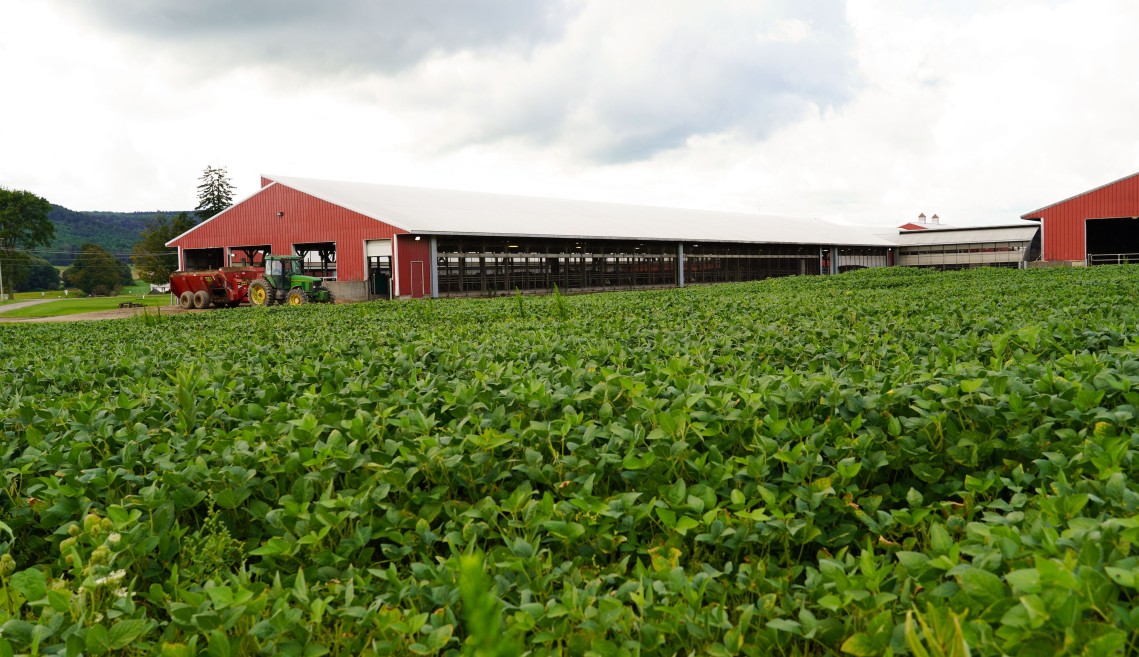
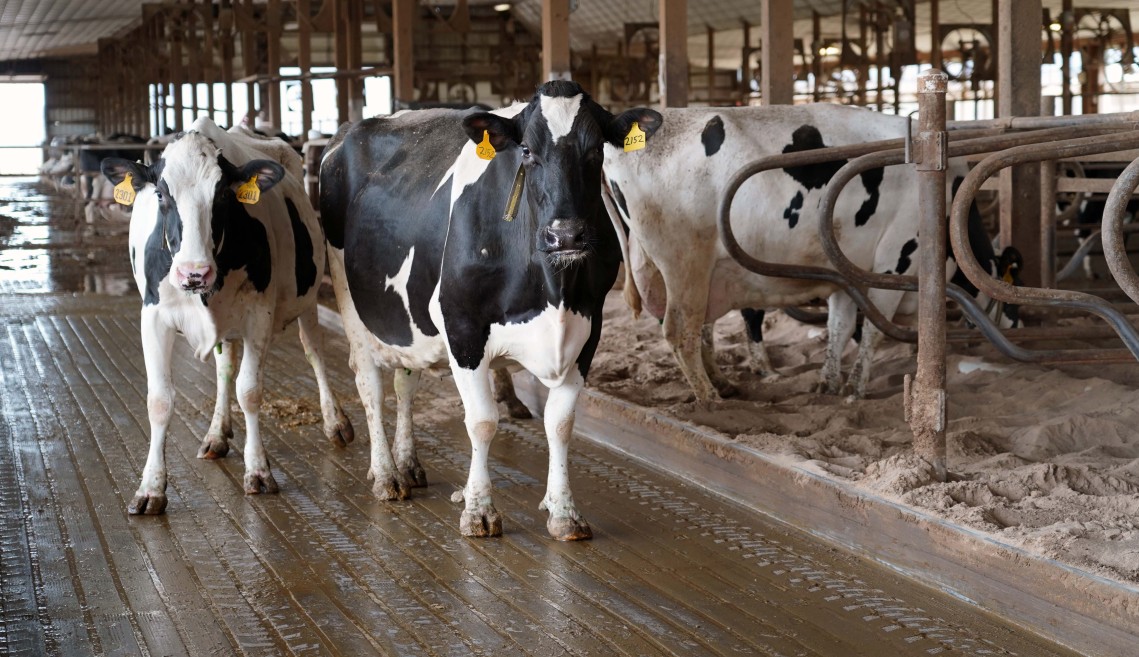
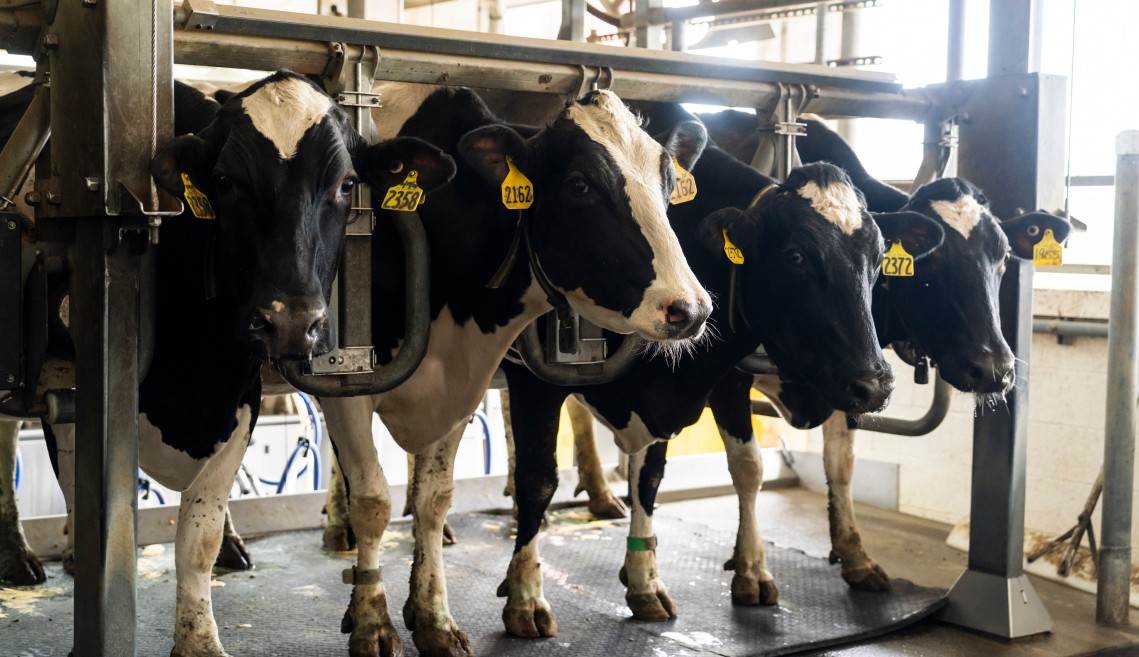
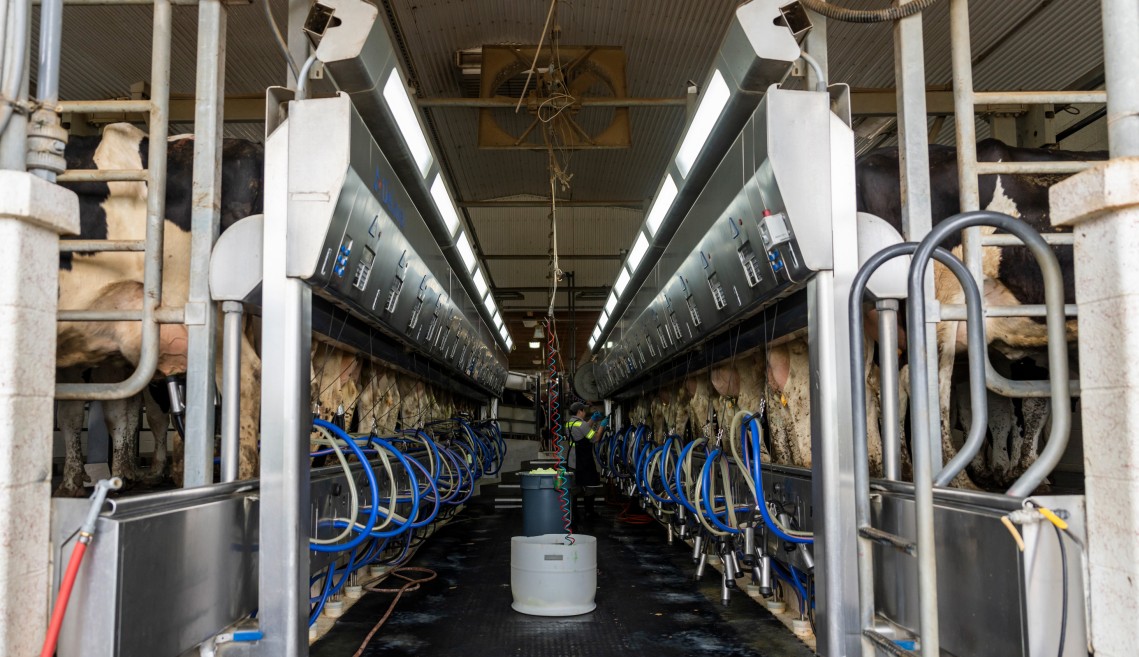
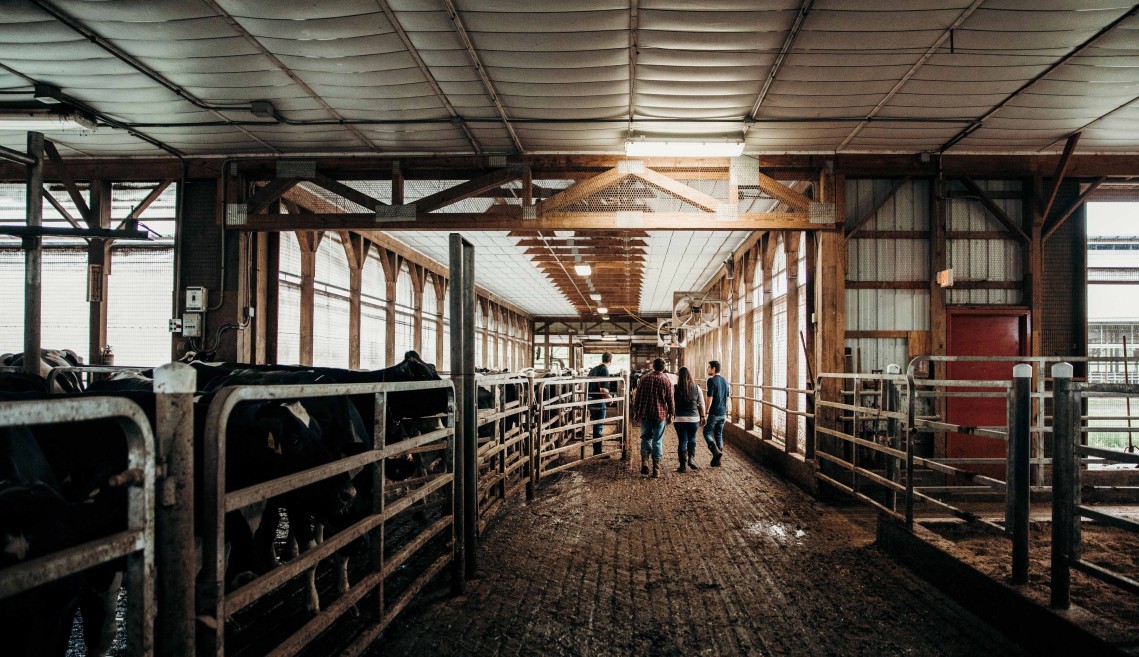
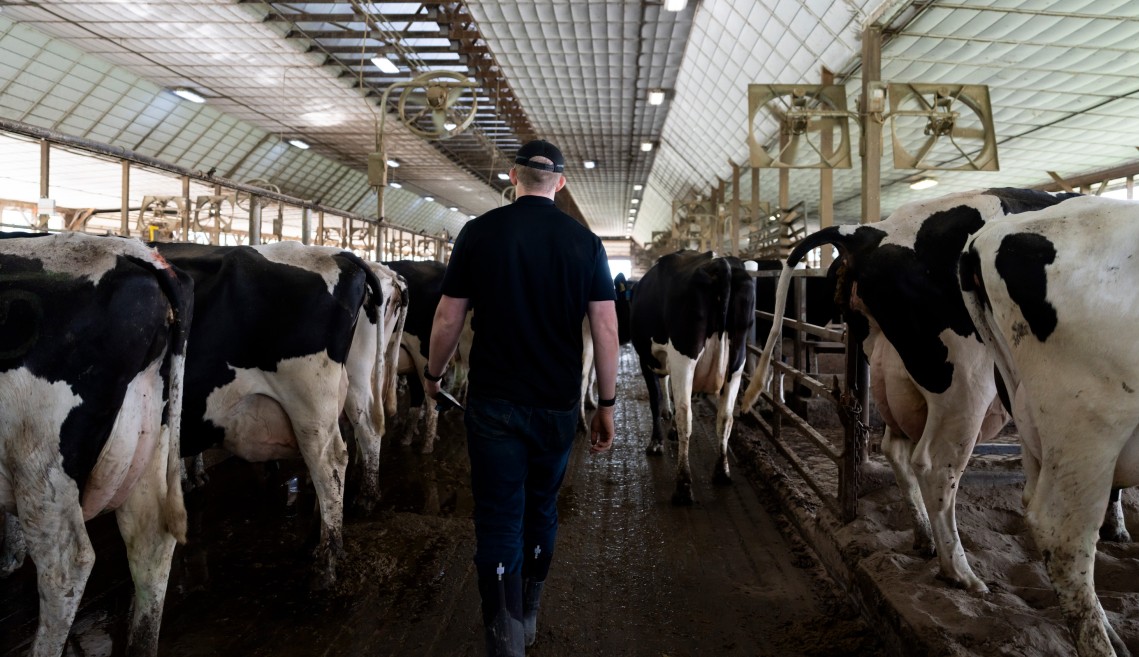
Built in 2013, CURC is a modern dairy facility. A freestall barn, divided equally in an east and west wing, houses adult dairy cows. A separate barn is equipped with stalls for individual housing, feeding and management. The milking parlor is a double-16 parallel parlor with a basement for milk sampling. 

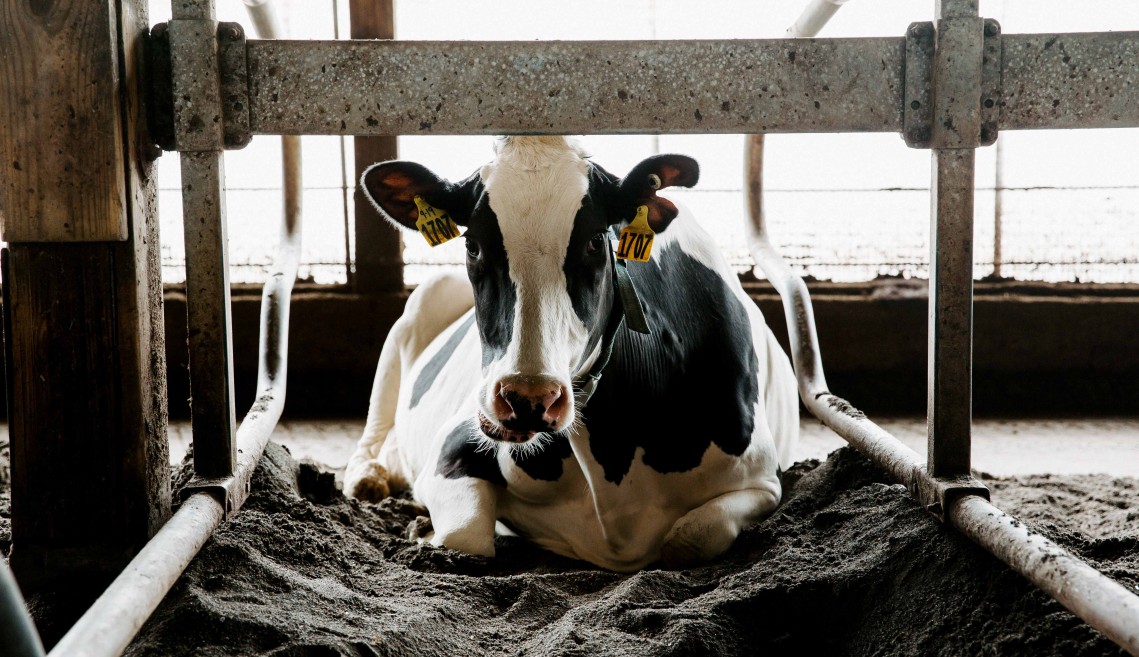
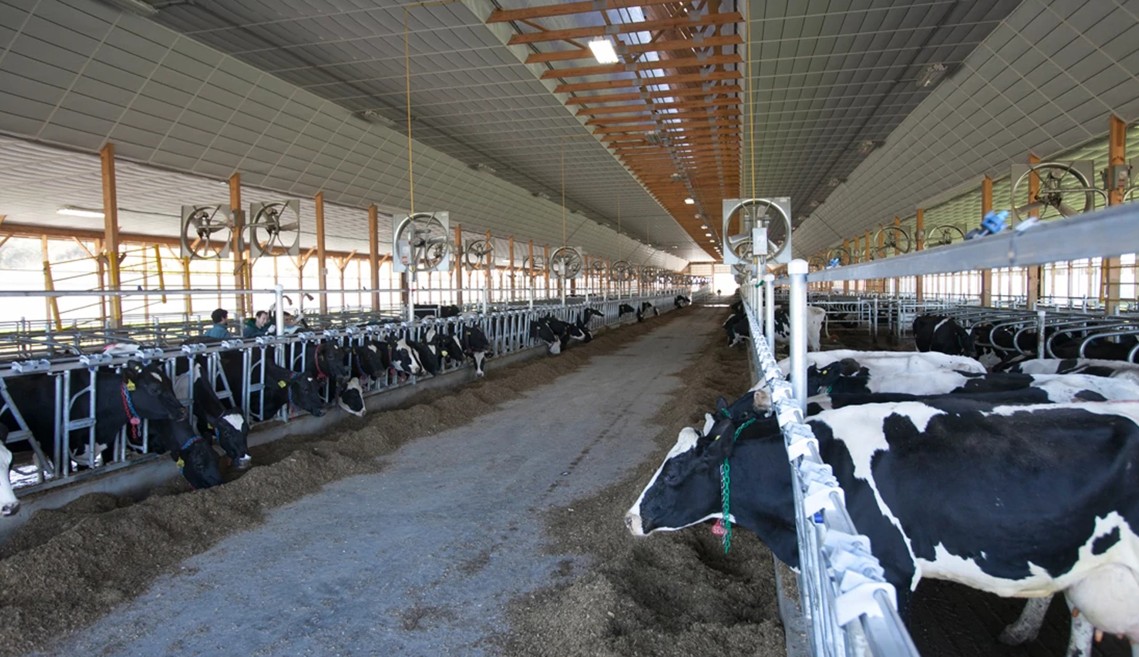
The barns have state-of-the-art cow comfort, including sand-bedded stalls, ample ventilation through curtained sidewalls, and evaporative cooling with sprinklers and fans for relief during summertime heat.

Cows are housed in a number of different situations, including:

  • A freestall barn with 485 stalls has capability to house cows in both large and small groups for the conduct of replicated pen studies.
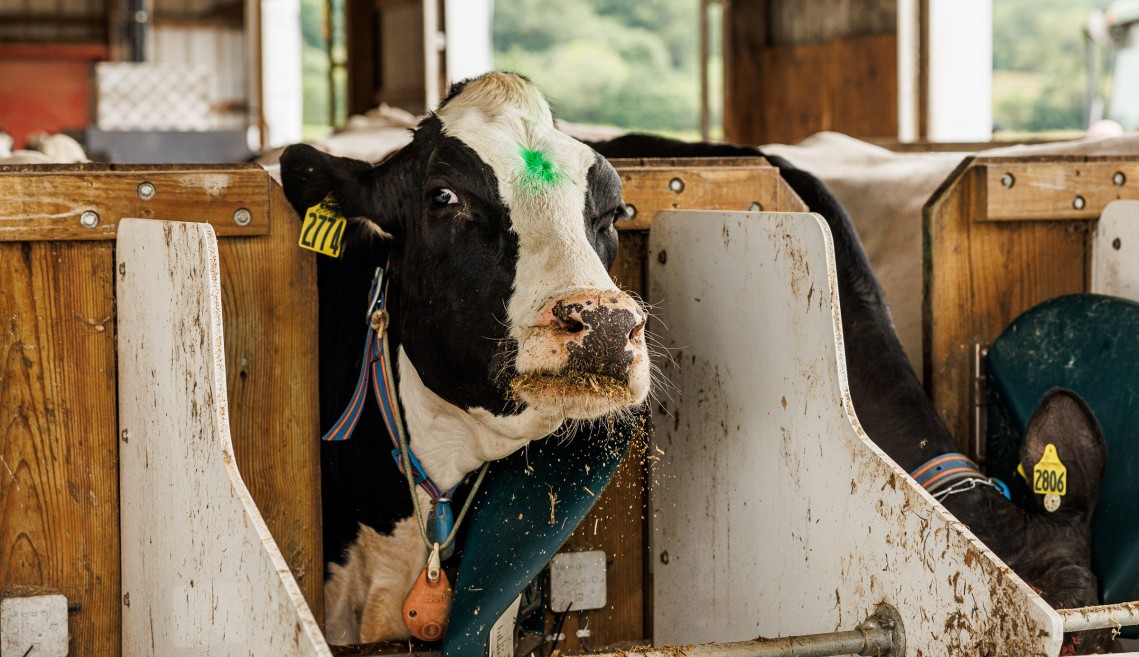
  • A smaller freestall barn is designed specifically for dry cows and cows needing additional attention and research interventions. This freestall barn is equipped with a pen with 68 Calan gates for delivering diets to individual cows and tracking individual feed intakes.
  • A special research activities barn includes 80 individual stalls for more intensive data collection, including individual feeding and individual feed intake monitoring, plus an additional 12 metabolism stalls for conducting digestion and physiology studies.

Farming Equipment

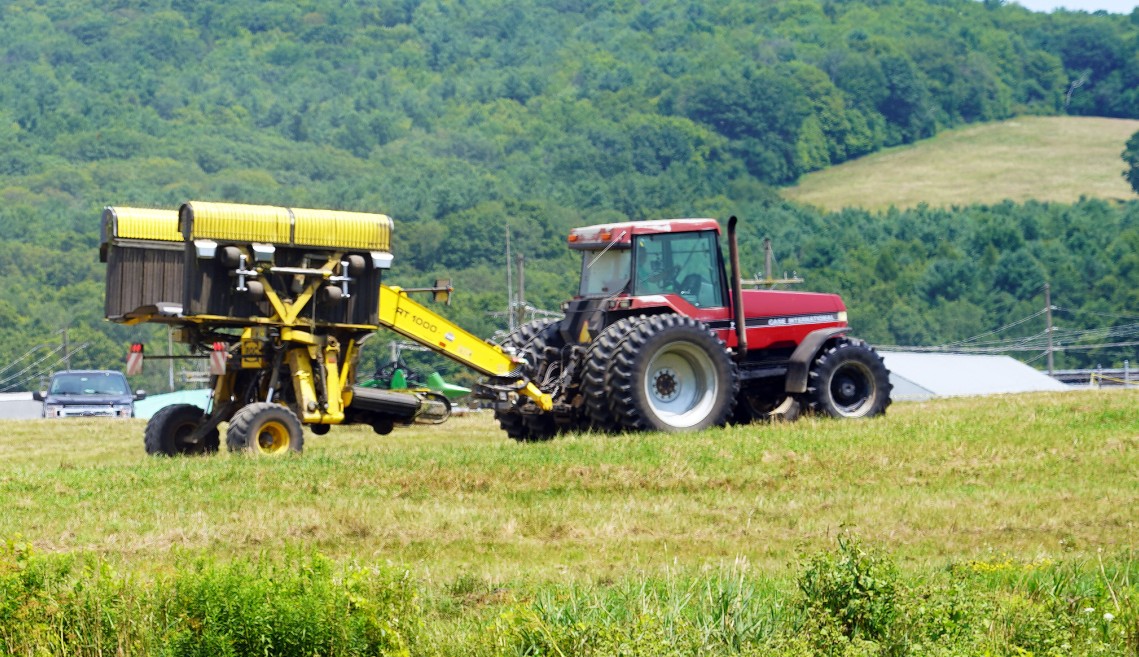
CURC also owns and operates a full line of conventional and minimal tillage equipment, as well as forage and grain harvesting equipment. CURC contracts certain services with outside providers who offer precision agriculture equipment and services for crop production, from planting to harvest, on both a commercial and research scale. In addition, collaborating partners have a suite of other equipment that can be used at CURC as needed. 

Equipment available includes:

  • John Deere 1770 NT PUK (Planter Upgrade Kit) – 30" / 16-row corn and bean planter, outfitted with John Deere precision technology. It features ExactEmerge row units, providing row-by-row electric variable seeding control and precise seed placement with electric brush (speed) tubes and individual row hydraulic downforce. ExactRate row-by-row variable-rate fertilizer monitoring is applied with frame-mounted fertilizer openers. 

    This planter is also equipped with pneumatic row cleaners and Yetter Twister closing wheels. The John Deere G5+ display and SF7500 receiver with SF3 RTK accuracy enables precise row and seed placement while generating as-applied map layers. These layers include applied rate, seed spacing CV, ride quality, applied downforce, gauge wheel margin and applied fertilizer rate.

    The result is a system that delivers precise seed and starter fertilizer application while simultaneously generating as-applied maps—all in a single pass. 

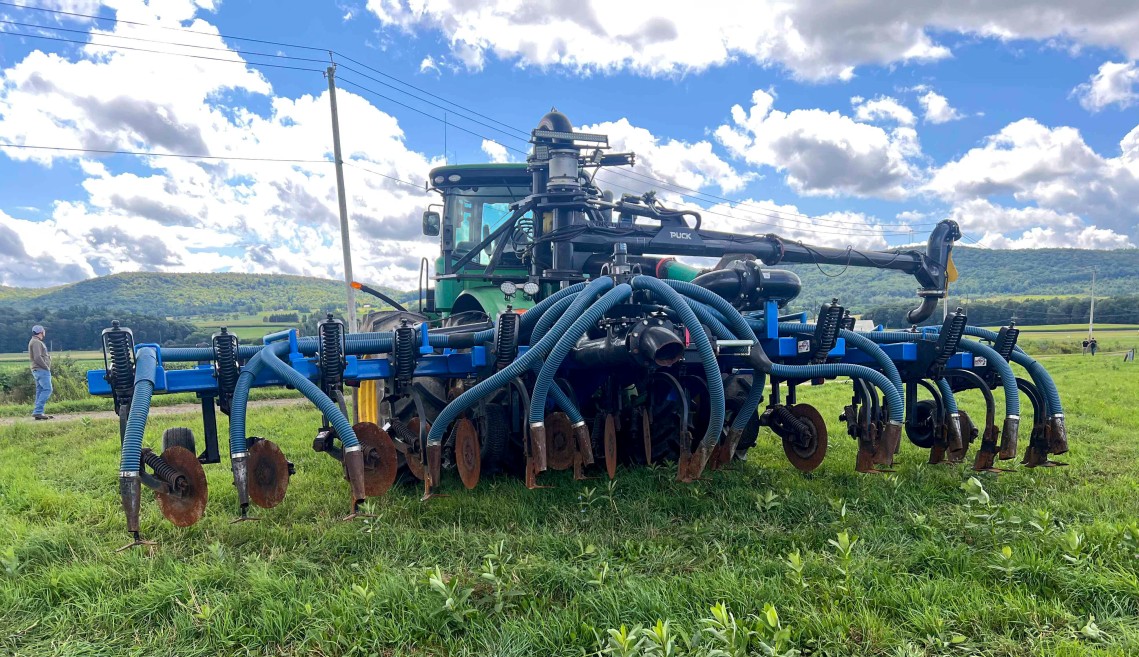
  • John Deere Harvest Lab 3000 with MCS (Manure Constituents Sensing) technology for applying liquid manure with dragline equipment, allowing variable-rate manure application with on-the-go creation of an as-applied map of manure rate and nutrient content (i.e., N, P, K, NH4, and dry matter) using NIR sensing technology.
  • Smart Integrated Multi-Product Prescription Application System for precision, in-furrow application of fertilizer, insecticides, nematicides, micronutrients or biologicals at planting or at side-dressing operations.
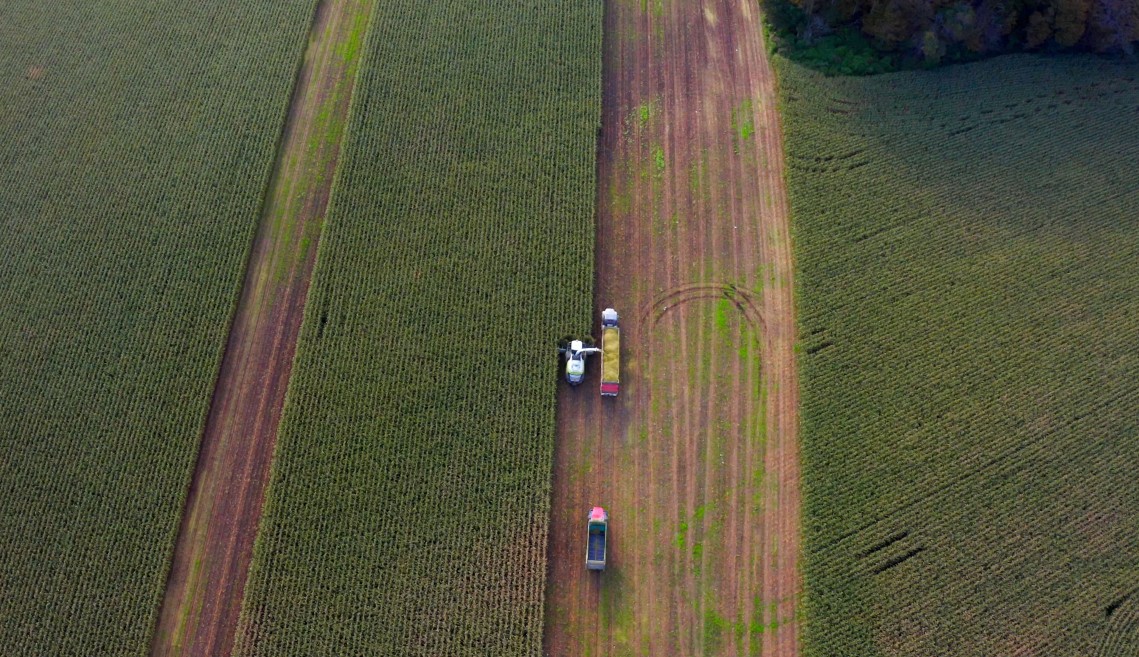
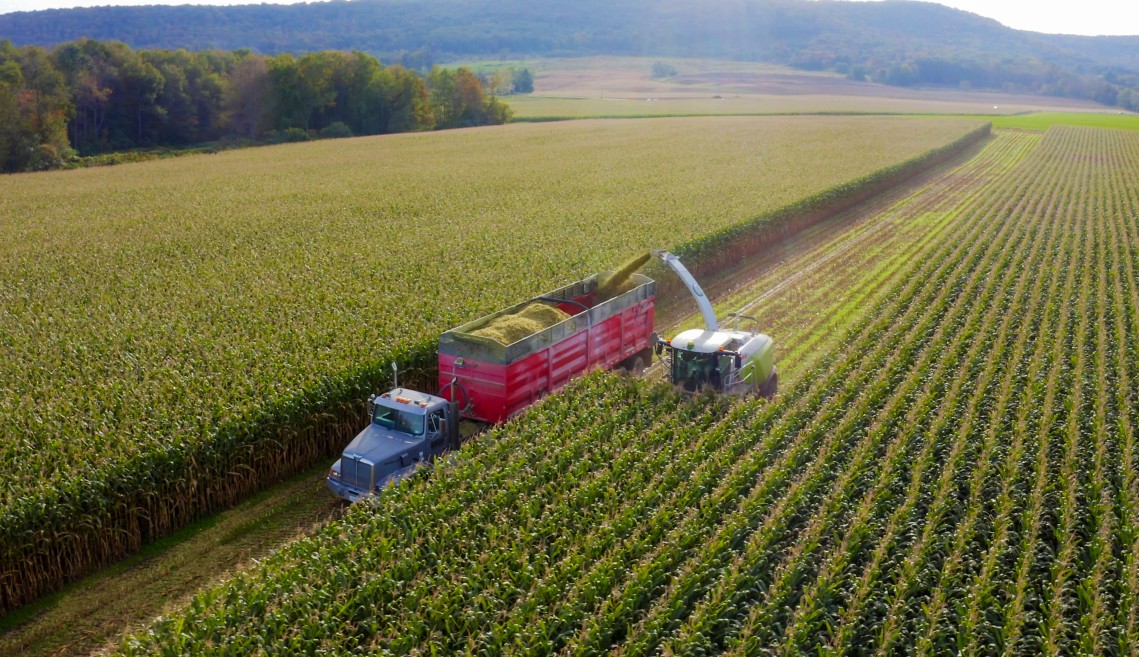
  • Claas Jaguar 960 self-propelled forage harvester equipped with John Deere GPS and as-harvested mapping technology, enabling on-the-go creation of yield maps, including both dry matter weight and moisture content.