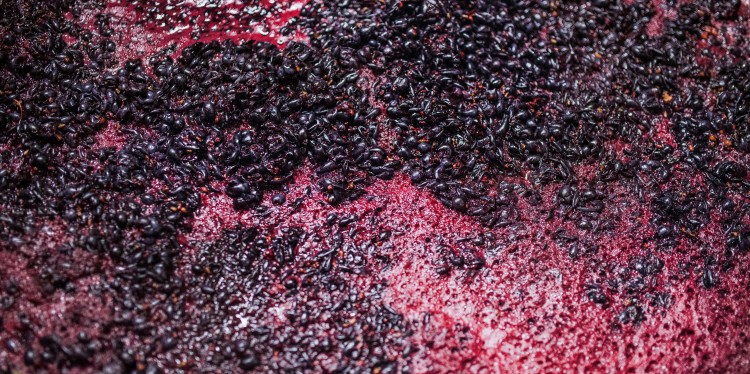
Researchers at Cornell AgriTech have developed a microwave-vacuum drying method that transforms grape pomace, the leftover skins, seeds and pulp from juice production, into a stable, nutrient-rich ingredient in just 20 minutes, compared with over six hours for conventional drying. The pomace, which is rich in antioxidants like anthocyanins and phenolic compounds, has the potential to be a natural food dye or an ingredient in health-focused foods and supplements. The key is to dry it quickly so it doesn’t spoil.
“Conventional drying takes a very long time,” said Viral Shukla, a postdoctoral researcher at Cornell AgriTech. “You have to use forced air, and it can often degrade the nutrients you're looking for.”
Shukla, working with food scientists Chang Chen and Olga Padilla-Zakour, investigated an alternative way to dry Concord grape pomace, of which there is about 105,000 tons created in the U.S. each year. Findings published in the September issue of Sustainable Food Technology indicate that a method using a combination of microwave and vacuum and can dry a batch of grape pomace in just 20 minutes, compared to about 400 minutes with traditional heat-based dehydration.
And not only did this method not deplete the nutrients in the pomace, “we also found that the antioxidant, anthocyanin, actually increased because it was protected by the vacuum and through electroporation effects of the microwave,” said Shukla.
“Microwave drying is already a commercialized technology, and there are many companies using that technology and producing other products,” said Chen. Some dried pineapple is microwave vacuum dried, because it can lend an improved texture over heated air drying. Also, Moon Cheese snacks are created by putting pieces of cheese in a microwave vacuum dryer, Shukla said.
These microwave ovens work similarly to the ones we have at home, except for the vacuum and the size. Shukla said the pilot-sized microwave oven they used for their research is almost as tall as he is. And the company that made that pilot-sized one also makes ovens that are 10 and 20 times that size.
One promising use for the grape pomace is as a red food coloring. With certain petroleum-based synthetic food dyes being phased out by the end of 2026, the industry will likely be searching for alternatives, Chen noted. But the researchers will still need to do more work to figure out how to stabilize this natural dye.
“When you’re using them in products that receive a lot of heating, or other harsh conditions like acidity, then a lot of the natural colorings may not work very well,” he said.
Beyond food coloring, the dried grape pomace could find its way into functional foods and dietary supplements, Chen said. The concentrated antioxidants remaining after the drying process make it an attractive ingredient for health bars, smoothie powders or nutritional additives. Some food manufacturers have already begun experimenting with pomace from other fruits to boost fiber content and add natural compounds that may support cardiovascular health.
There are also environmental benefits of repurposing grape pomace. Currently, most pomace ends up in landfills or is composted, representing a massive waste of potentially valuable nutrients. By transforming this byproduct into a marketable ingredient, wineries and juice producers could reduce waste disposal costs while creating a new revenue stream.
The research team hopes that as the technology becomes more widely adopted, it could serve as a model for valorizing waste from other fruit processing industries.
Christina Szalinski is a freelance writer for the College of Agriculture and Life Sciences.