Back

Discover CALS

See how our current work and research is bringing new thinking and new solutions to some of today's biggest challenges.

Share
  • PRO-LIVESTOCK
  • Animal Science
  • Animals
  • Meat

Cornell PRO-LIVESTOCK and the Department of Animal Science hit the ground running in 2026 with two separate undergraduate experiential learning events spotlighting the livestock production industry.

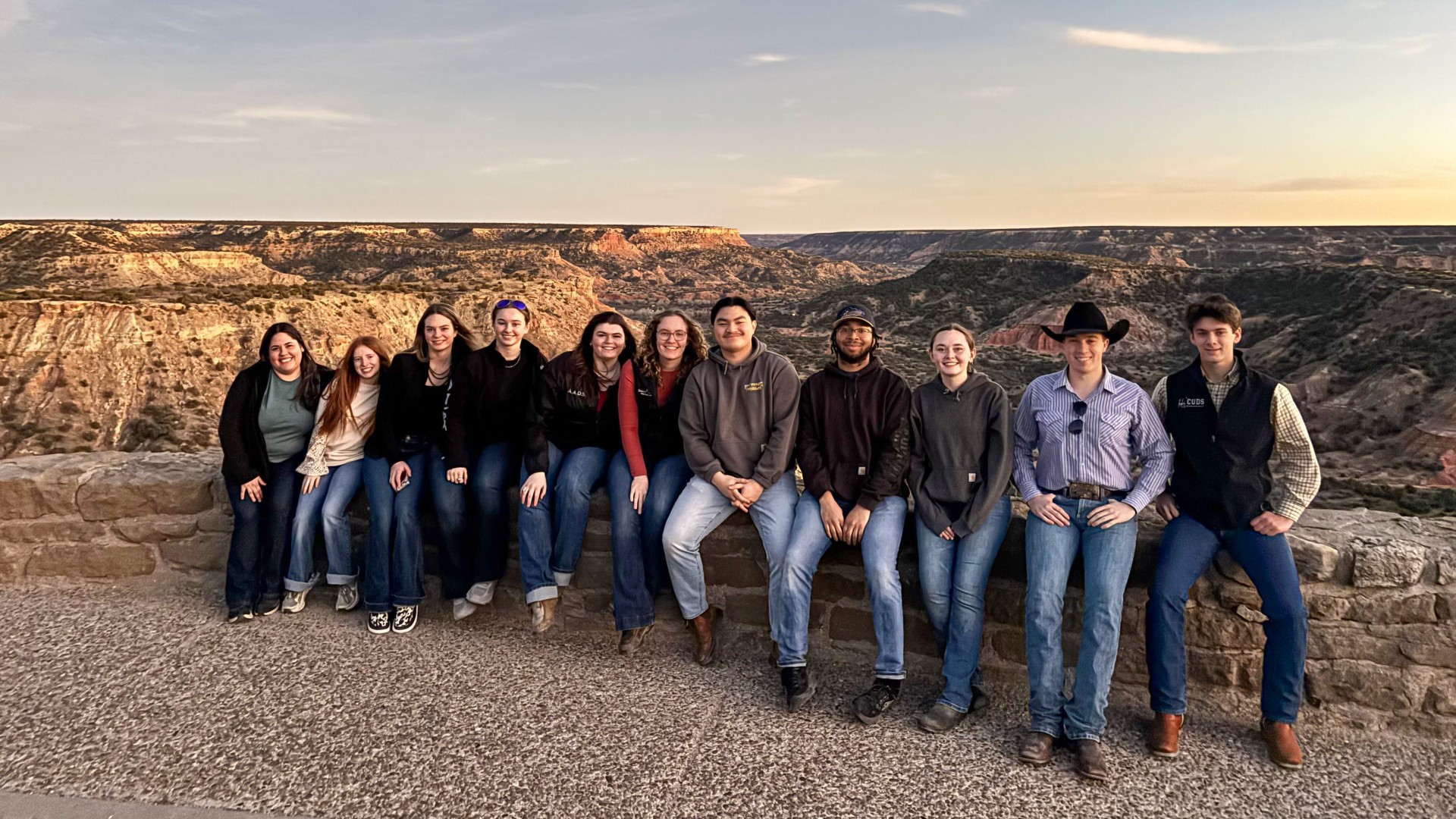
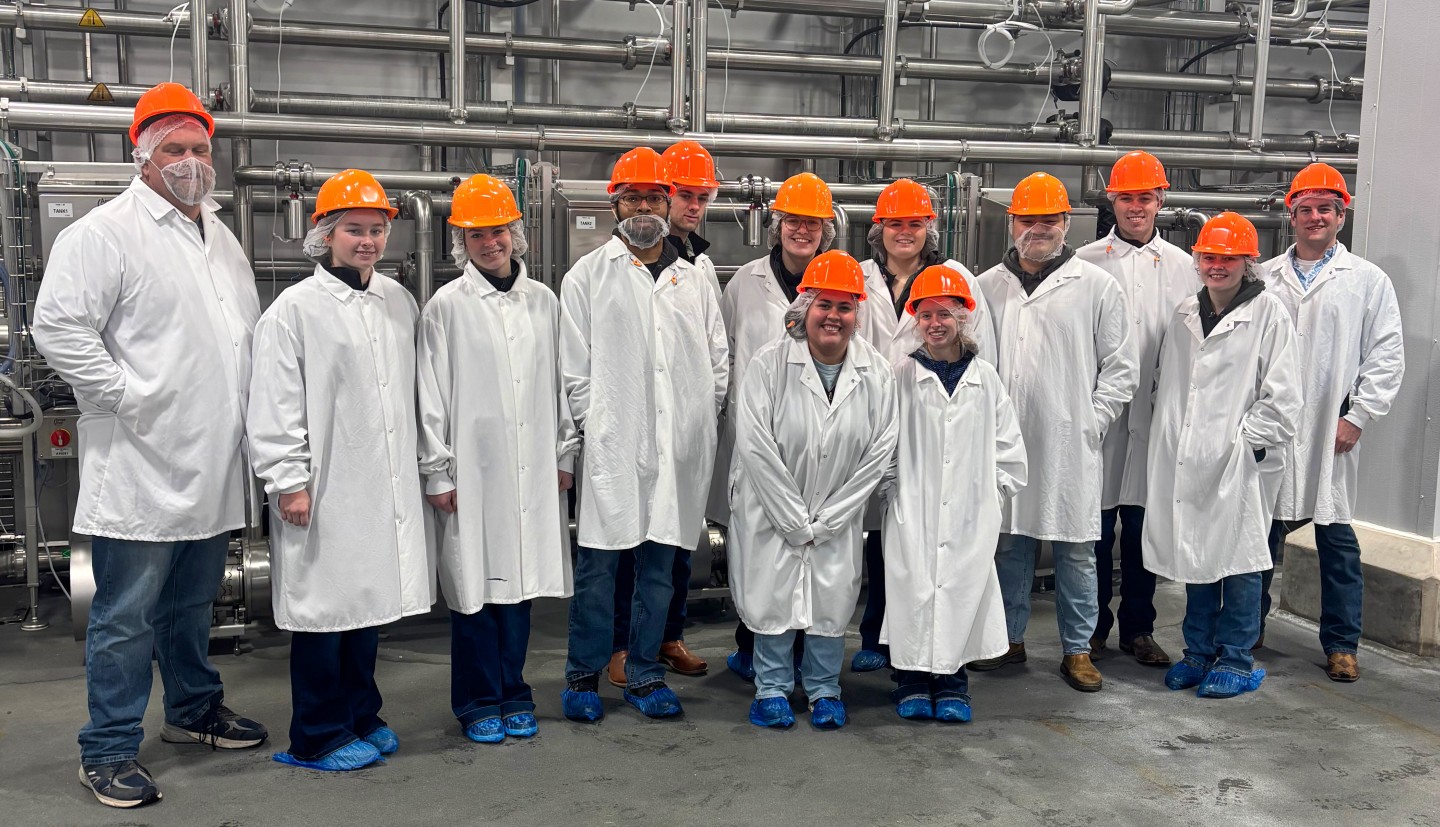
Thanks to a generous donation from Henry and Allison O’Connor to help offset student travel costs, a group of eleven Cornell undergraduates took an immersive trip through Texas in January to explore the U.S. beef industry. Led by Adam Murray, Cornell PRO-LIVESTOCK beef cattle extension specialist; Jessica Waltemyer, Cornell PRO-LIVESTOCK small ruminant extension specialist; and Brian Aukema, New York State 4-H livestock and companion animal specialist,  the trip provided students a practical, real-world context to complement classroom teachings. 

 “We structured this trip so that students could understand how various factors like environmental conditions, feed resources, skilled labor availability and scale of production all interact and weigh into livestock management decisions,” said Murray. 

“A trip like this, to the heart of beef cattle country, gives our students a scale of reference and experiences they can’t get anywhere else.”
New York and the greater Northeast have many beneficial traits for beef cattle production, such as temperate summers, consistent annual precipitation and favorable soil types that create abundant and cost-effective forage resources for half the year, he explained. However, the other half of the year, New York producers also deal with extreme temperatures of an extended winter, and constant struggles with land prices well above the national average and a tight labor pool that has limited livestock experience. 

“New York-raised cattle still feed into the greater U.S. beef system, though, so understanding the subsequent stages of production can help students grasp where profits are realized and lost within the beef cattle industry,” Murray said. “A trip like this, to the heart of beef cattle country, gives our students a scale of reference and experiences they can’t get anywhere else.”
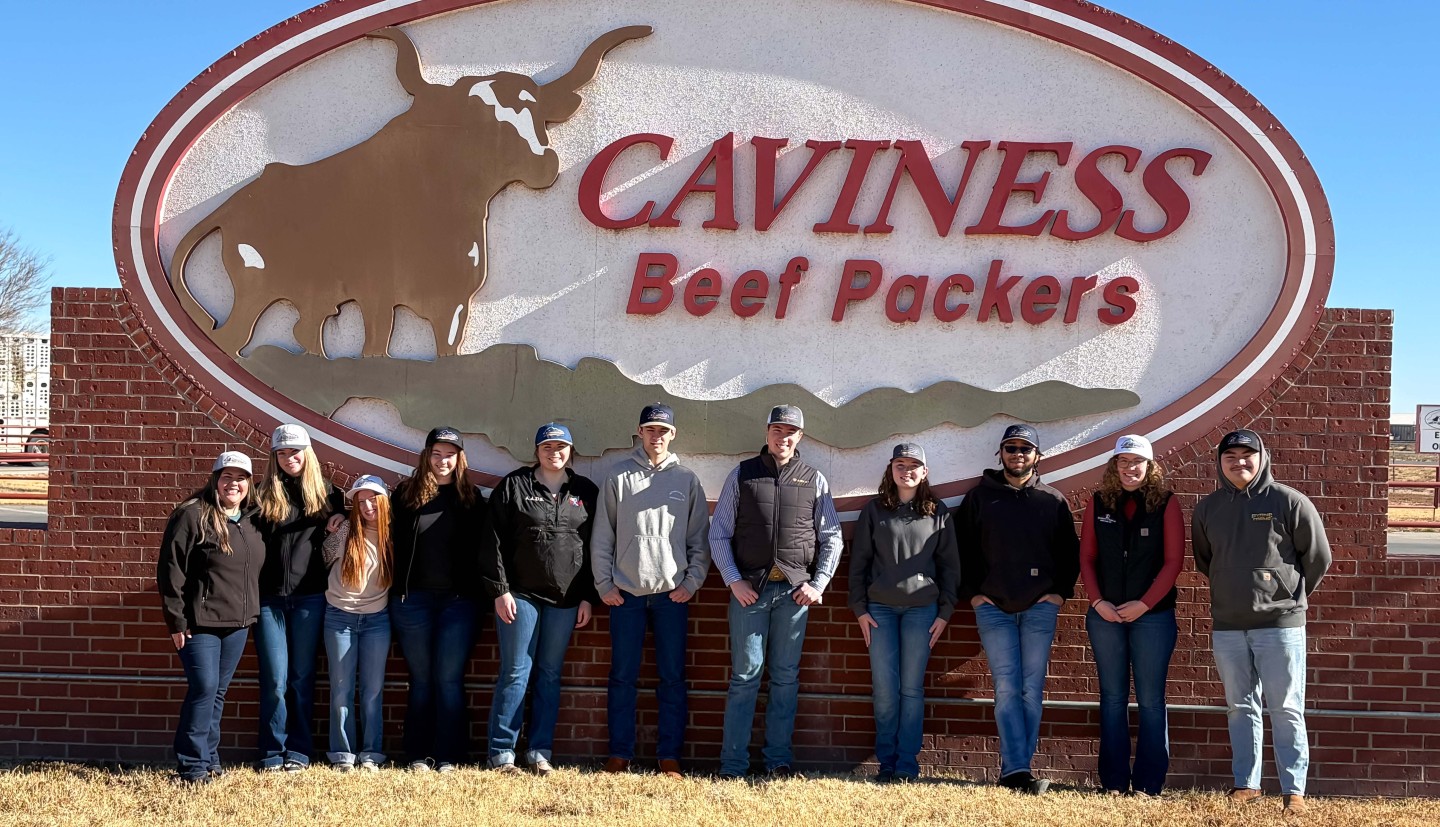
The excursion began in the Texas Panhandle at the “end” of the beef industry, where the group traveled to Hereford, Texas, to tour Caviness Beef Packers. Students learned about how animal welfare, food safety and efficiency are prioritized throughout the cattle-harvesting process. They also gained an understanding of how beef packers navigate the intricacies of an increasingly complex global protein market.

The group then visited Bar-G Feedyards, where they saw the daily logistical challenge of feeding and caring for 125,000 head of cattle in a single location. “There are a lot of harvest facilities and large-scale feeding operations in the area,” Murray explained. “Just within a 30-minute drive there are over 1 million head of cattle — more than five times the total amount of beef cattle in the entire state of New York.” 

The day ended at the West Texas A&M University Meat Science facilities in Canyon, Texas, where students got to witness firsthand carcass data collection for an active research project. They gained industry-leading insight into current trends and the future trajectory of the beef industry from A&M Animal Science faculty members Professor Ty Lawrence and Assistant Professor Trent Schwartz.

The next round of tours started at 44 Farms in Cameron, Texas, where James Burks, 44 Farms general manager, personally guided students through the pristine seedstock Angus operation. James shared how the farm’s vision has grown into annual bull sales that sell over 750 lots and a strategic beef partnership with Walmart to sell 44 Farms beef under the “Prime Pursuits” label.

Later, the group toured TransOva Reproductive Services and Integrated Breeders Services to learn about leading cattle reproductive technologies from the cow and bull side, respectively.

The next day, students visited Standard Meats Company in Fort Worth, Texas, a further processing facility that uses cutting-edge technology to blend meat science with culinary art to produce thousands of different retail items under various global labels. Later that afternoon, the group explored the historic Forth Worth Stockyards to learn about western culture and traditions before attending the evening rodeo during the first night of the 130th Fort Worth Stock Show (FWSS). Students spent the entire next day at FWSS, watching livestock exhibits and learning about the event’s history from Matt Brockman, FWSS communications director. 

Altogether, the week-long experience included nine unique beef industry experiences, over 1,135 miles of driving, and a capstone learning experience to prepare Cornell students to lead the future of livestock agriculture following graduation. This is the second year for the trip, and plans are for it to be ongoing, Murray said.

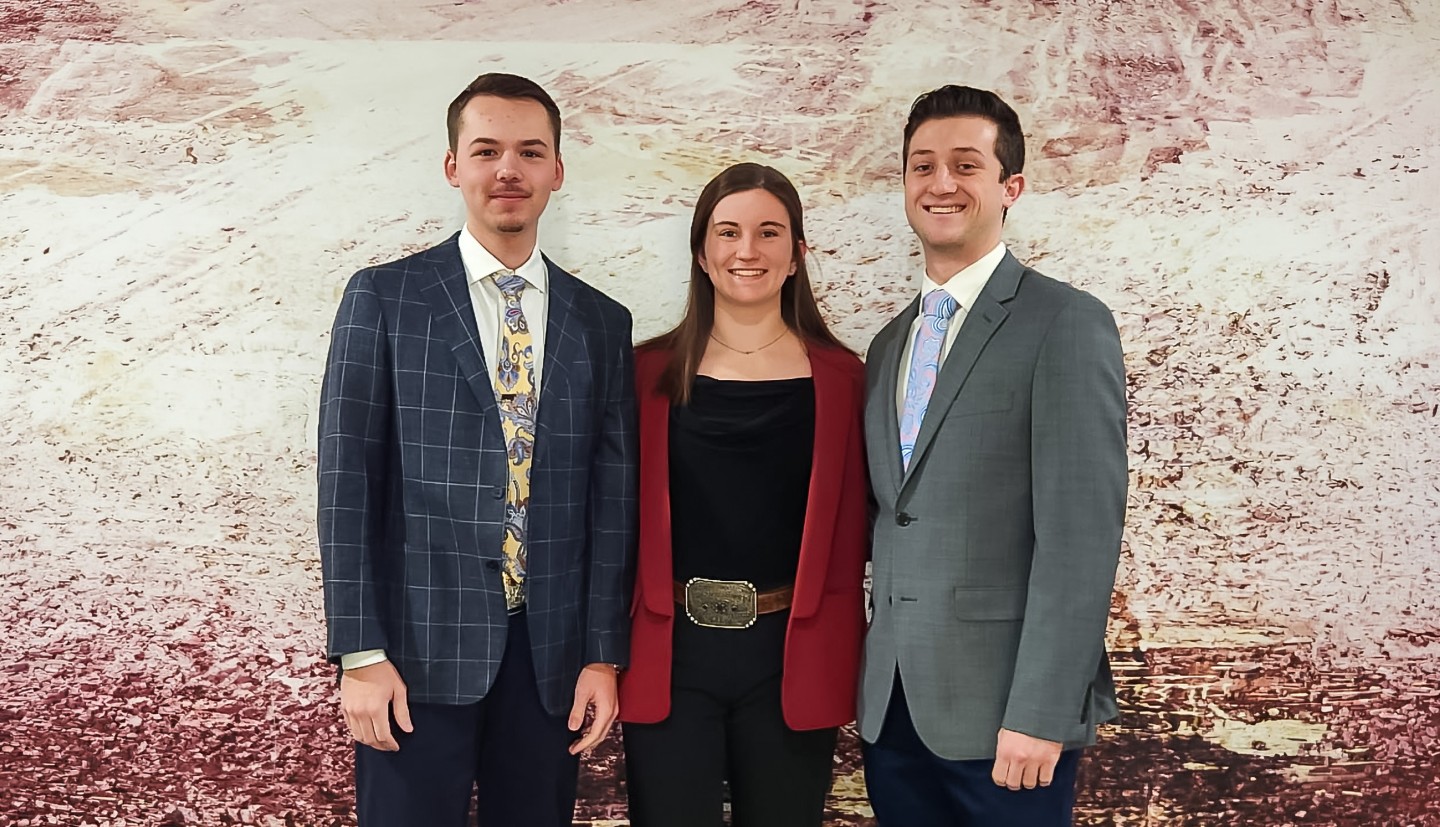
Concurrently, a separate group of students — Wyatt Marshall, Emily Klein and Charlie Mosier –represented Cornell at the National Western Stock Show in Denver, Colorado. The three competed in the collegiate livestock judging competition and the cattle carload competition. 

While Cornell’s livestock judging team won the national competition in 1952, it has been many decades since the university fielded a team. However, Murray reestablished the livestock judging program in 2025 with the help of Marshall, Klein, Mosier and other CALS undergrads, and has been serving as the group’s advisor and coach as the program builds momentum.

“Wyatt, Emily and Charlie were very competitive judging as individuals,” he said. “They represented themselves and their university extremely well, and everyone in attendance definitely noticed that Cornell came to compete.”

Almost serendipitously, the Texas group and judging team return trips overlapped due to a layover in the Denver airport. After a week of educational experiences and competition, the reunited group of Cornellians traveled back to New York with plenty of stories.

Keep Exploring

three woman stand together eating orange slices

Field Note

by Harley Wolfanger '28 Where does our food really come from? That question followed our group throughout our agricultural expedition to California this past January. I decided to embark on this trip because I wanted to understand how the...
  • Dairy Fellows Program
  • Animal Science
  • Agriculture
a group of young people stand together in front of a building

News

The New York State 4-H Livestock Ambassador Program recently offered an immersive, multi-day educational experience for youth participants, providing hands-on exposure to New York’s diverse livestock industries. The program began with a visit to...
  • Cornell Cooperative Extension
  • Animal Science
  • Animals