Response
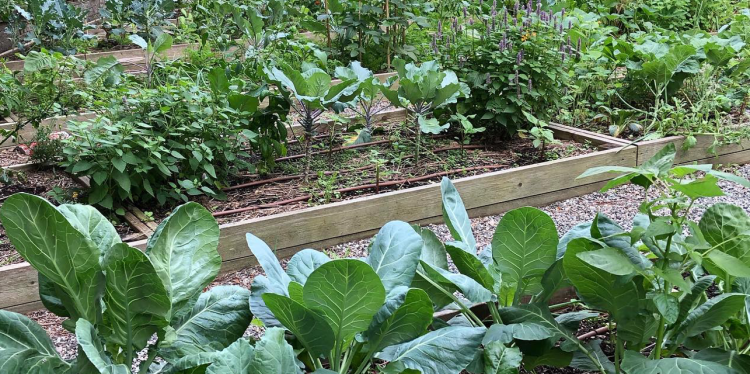
Cornell Cooperative Extension led a coordinated outreach effort targeting urban farms, community gardens, Greenmarket growers, and culinary partners. Extension educators distributed seeds and transplant plugs of new tomato and Brassica varieties to more than 20 growers for on-farm evaluation. Partnerships with Kelly Street Gardens and New Roots supported transplant distribution and demonstrations in community settings. A tomato variety showcase at Randall’s Island engaged more than 200 participants and collected 45 evaluations to inform future programming. CCE also facilitated chef sampling, product demonstrations, and outreach through email and social media to strengthen communication across the urban food network.
Results
CCE established partnerships with 10 to 15 urban farms and community gardens and strengthened relationships with Greenmarket growers. Growers evaluated new collard green hybrids and specialty cabbage and tomato varieties, providing feedback that informed research priorities and future distribution. Educational events increased awareness of crop diversity and market potential, while seed and transplant distribution led to expanded planting of new varieties for the 2025 growing season. These efforts improved collaboration among growers, researchers, and market partners.
Public Value
New York State benefits from a stronger urban agriculture sector that improves access to fresh, locally produced food. By connecting research, growers, and markets, Cornell Cooperative Extension enhances decision-making, supports crop diversification, and increases the availability of nutritious produce in city markets. Strengthened urban food networks contribute to a more resilient and responsive local food system.