Relevance
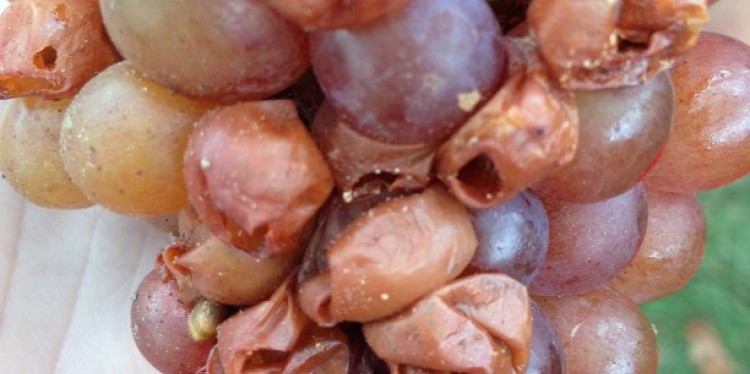
Sour rot is a significant disease affecting wine grapes in New York State, caused by interactions among bacteria, yeasts, and vinegar flies. If unmanaged, it reduces fruit quality and market value. Growers have traditionally applied multiple weekly insecticide and biocide sprays before harvest, even in low-risk conditions. This approach increases production costs and contributes to insecticide resistance. Cornell Cooperative Extension (CCE) identified a need for research-based guidance to help growers better assess disease risk and optimize management decisions.