

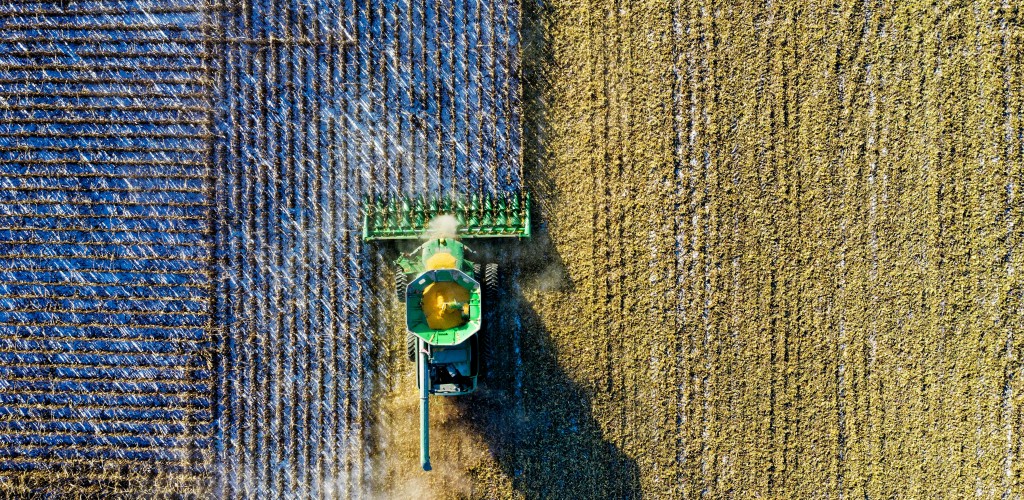
Cornell researchers and collaborators have developed a new framework that allows scientists to predict crop yield without the need for enormous amounts of high-quality data – which is often scarce in developing countries, especially those facing heightened food insecurity and climate risk.
Cornell researchers and collaborators have developed a new framework that allows scientists to predict crop yield without the need for enormous amounts of high-quality data – which is often scarce in developing countries, especially those facing heightened food insecurity and climate risk.
Keep Exploring
News
A new ecological discovery – that global warming is slowing tree growth – means current climate predictions could overestimate forests’ potential for carbon storage by as much as 30%.
News
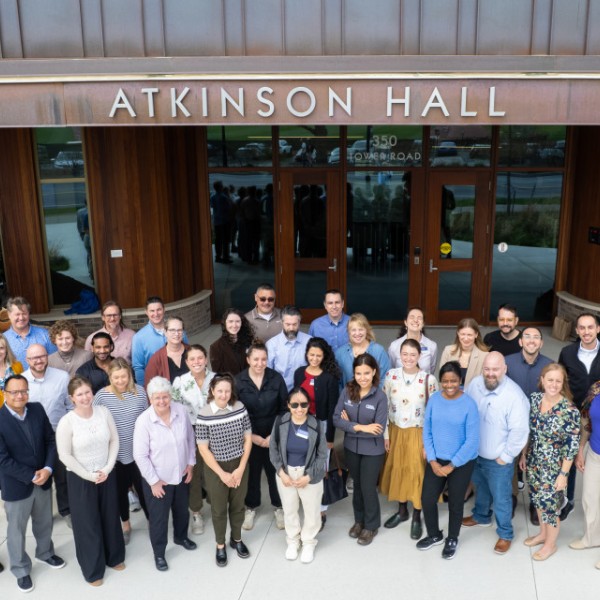
Cornell Atkinson hosted its first executive education program – the Resilient Futures Leadership Program: Financing Sustainable Agriculture – with partner Field to Market. The successful program will be offered twice more over the next two years...

We openly share valuable knowledge.
Sign up for more insights, discoveries and solutions.
Please enter a valid email address to subscribe to the newsletter.