Back

Discover CALS

See how our current work and research is bringing new thinking and new solutions to some of today's biggest challenges.

Share
  • Animal Science
  • Agriculture
  • Field Crops

In fall 2025, Matthew Haycook joined Cornell University’s Master of Professional Studies Program, with Quirine Ketterings of the Nutrient Management Spear Program (NMSP) as his main academic advisor. Growing up, Haycook was deeply integrated into the world of agriculture. After exploring other interests during his undergraduate career, he found his way to the world of crop advising by pursuing an MPS with NMSP. Read on to learn more about Haycook’s journey and what he is working on now.

You explored different fields before deciding to pursue an MPS. Can you tell us a bit about that?

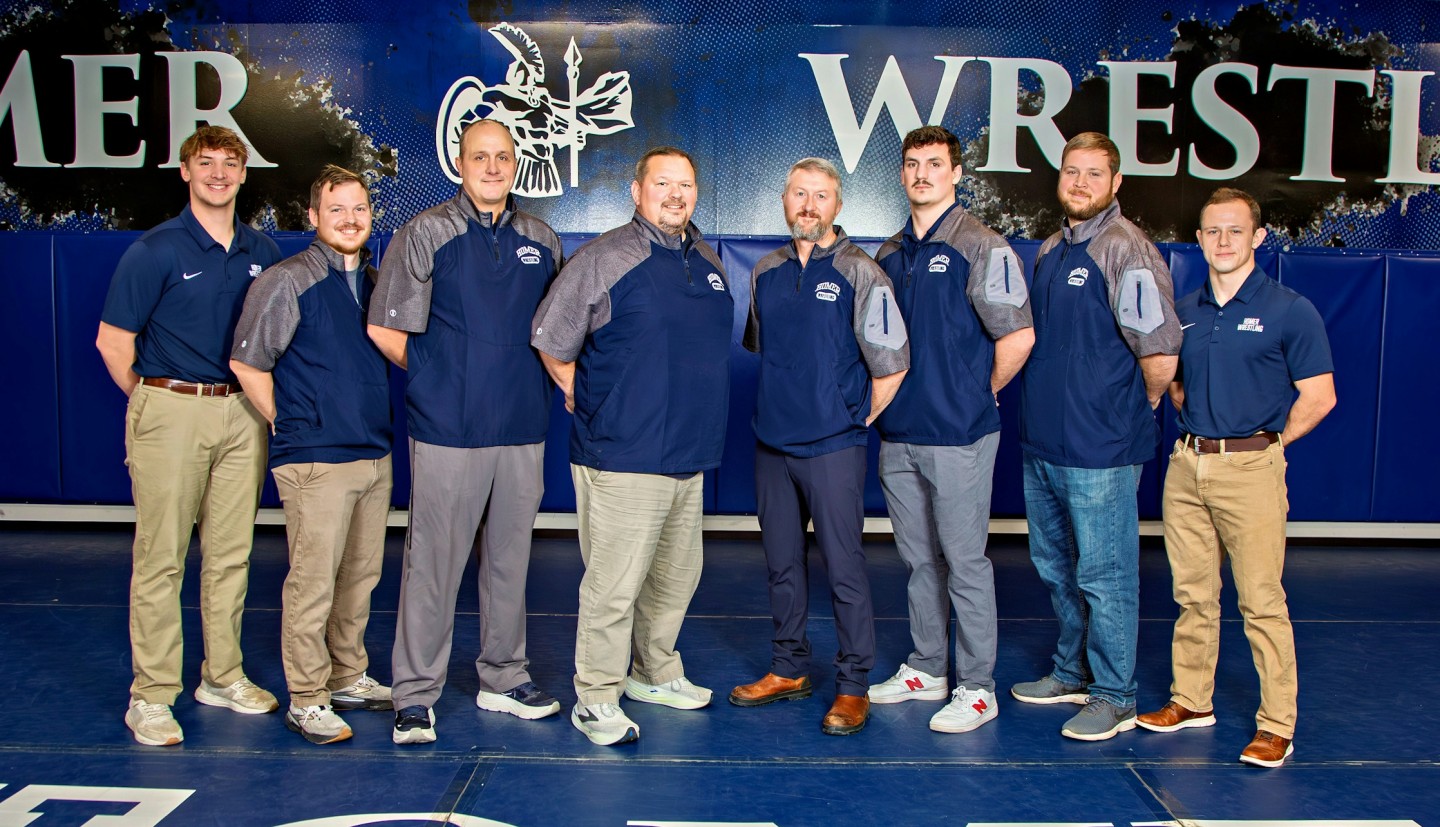
I’m actually an avid wrestler, so when I was at Ithaca College pursuing my bachelor’s degree, I initially studied exercise science. While I loved that in its own way, I realized that I missed being out in the field, so I changed my major to Environmental Science. After graduating, I realized I needed a deeper knowledge of agriculture and that brought me back to school to pursue a career in agricultural science. 

I still coach wrestling on the side though, I like to keep myself busy and productive. I am always trying to give back to the programs that helped me with my student athlete journey. Wrestling taught me more than just how to work hard and have grit—it also taught me how to succeed under pressure and handle the “ups and downs” of life. I will continue to hold these values throughout my agricultural journey. 
What initially sparked your interest in agriculture?

I grew up surrounded by agriculture. Both of my parents work for Farm Credit so in between practice and free time they were always exposing me to different farm operations. My parents both attended cow shows, with my dad being on the Dairy Judging team. Events like this gave me further insight into what the agricultural industry looked like. Also, my grandfather owned a small dairy farm in Orange County NY, so I guess you could say it runs in the family. 

When I learned about the Nutrient Management Spear Program, it seemed like it had learning opportunities that fit my needs. I was really drawn to their hands-on, practical approach to supporting farms and conducting research. The tight knit group and friendly faces were exactly what my parents had described the agricultural community to be. 

Can you share a little bit about what you’ve been working on as an MPS student?

The highlight of my learning here as an MPS student is my capstone project. I’ve been reworking the Northeast Region Certified Crop Advisor (NRCCA) training manual, which serves as a training platform for those that are looking to become certified crop advisors (CCAs). The manual has four sections: crop management, soil fertility and nutrient management, pest management, and soil and water management.

The idea of supporting a platform to help others who are looking to better themselves and support farmers fuels my productivity and drives me to complete an up to date and accessible resource. 

It seems like the manual will be really impactful. What does this project mean to you personally, and to farmers?

Through coaching, I have found that I love teaching others. My capstone project has been a really exciting opportunity to bring together my passion for teaching with my love for agriculture and supporting farmers. 

I am sure that the manual that we are working on now will support many individuals going forward as they aspire to become crop advisors and support farmers in the Northeast. The last time the manual was updated was 2016, so it’s definitely due for an update– plus, I’m planning on taking the NRCCA exam, and I am sure that reworking the manual will help me obtain my own certification. 

Working with nutrient management, integrated pest management, crop management and soil and water management extension faculty and staff has broadened my understanding about the niche opportunities available in the agricultural field. Everyone that I’ve met so far has such a cool outlook towards the work that they do, and I’ve seen so much passion in this field compared to other industries. 

Do you have any specific plans for the future?

I would like to obtain my NRCCA certification and stay in New York around my family and the farms that are familiar to me. New York is such a special place with the Adirondacks and countless water bodies-- combine that with the expected increase in dairy production and increasing opportunities in agriculture, and this becomes a hard place to leave. 

In the immediate future, I am joining Champlain Valley Agriculture where I will be working closely with experienced crop advisors, farmers and more. I’m excited to work hard, stay in the world of agriculture and learn as much as I possibly can.

Madeline Hanscom is the science communications assistant for Cornell CALS' Nutrient Management Spear Program (NMSP).

Keep Exploring

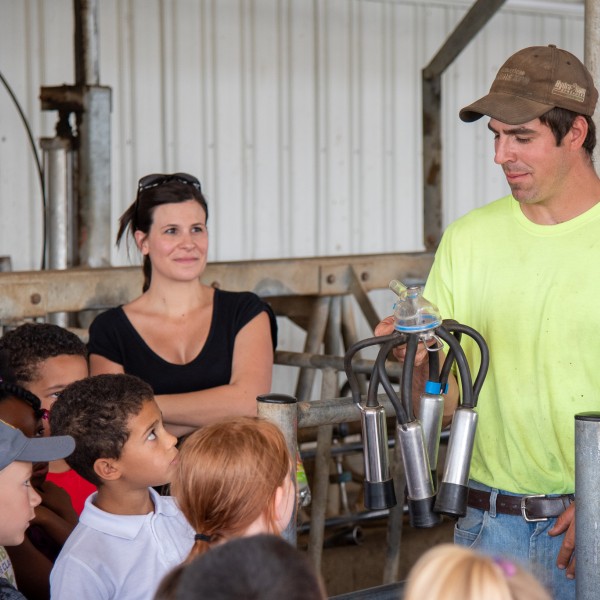
Cheryl on a farm tour with schoolkids. A farmer holds a miling machine in his hand, showing it to the kids.

News

Cheryl Bilinski didn’t just change careers; she swapped a corporate paycheck for a mission to overhaul what lands on a child's lunch tray. As an agricultural economic development specialist with Cornell Cooperative Extension’s (CCE) Harvest New...
  • Cornell Cooperative Extension
  • Agriculture
  • Health + Nutrition
Charles Midega (left) and Roy Odawa display the Kontiki kiln they modified to make biochar from human feces. Credit: Rebecca Nelson

News

Cornell researchers and Kenyan partners have developed a fertilizer made from human excreta. The product improves soil health and food production, while preventing pollution in informal settlements and the aquatic environment.

  • Ashley School of Global Development and the Environment
  • Global Development Section
  • Agriculture