This update was written by Cornell CALS PRO-DAIRY Agricultural Energy Systems Engineer Lauren Ray and published in PRO-DAIRY e-Leader, a monthly e-Leader newsletter distributed to an email list of nearly 7,000 dairy producers, agriservice, and legislators.
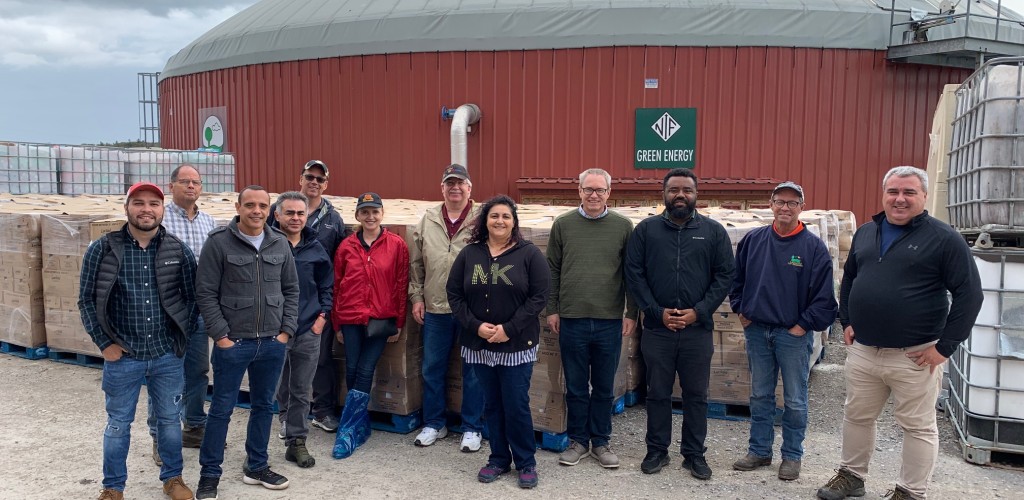
PRO-DAIRY Dairy Environmental Systems (DES) is kicking off two complementary projects to assess the economic feasibility of implementing anaerobic digestion of dairy manure combined with food waste on different sized farms and locations across New York State. Resources including case studies and presentations (live and webinar) covering the economic feasibility of co-digestion will be made available to farmers beginning in the winter. The projects are funded through the Northern New York Agricultural Development Program and the New York Farm Viability Institute.
Effective this year, NYS legislation requires large food waste producers to divert waste from landfills through donation, feeding animals, and recycling options such as anaerobic digestion and composting. Additionally, NYS and the US dairy industry have established climate goals to reduce greenhouse gas (GHG) emissions that impact dairy farms. Anaerobic digestion of both dairy manure and food waste diverted from landfilling reduces the emission of methane, a potent GHG, while providing a source of energy that can offset use of fossil fuel combustion and enabling nutrient recycling.