

As part of the Clean Water Act, the EPA provides training on clean water management. The EPA has focused on improving training they provide to Native American Tribes and Nations. Organizers for EPA regions one and two contacted the Cornell Biological Field Station Great Lakes Lab to assist in freshwater invasive species identification training for Native American Tribes and Nations in those regions. Elizabeth Whitmore-Stolar worked with other collaborators from the Lake Champlain Basin Program and the USGS Wetland and Aquatic Research Center to create and present a half day training seminar. The training provided by Elizabeth Whitmore-Stolar was on the identification of invasive fish and invertebrates in EPA regions one and two. Resources on freshwater invasive animals and plants were also provided by New York State Sea Grant.
Keep Exploring
News
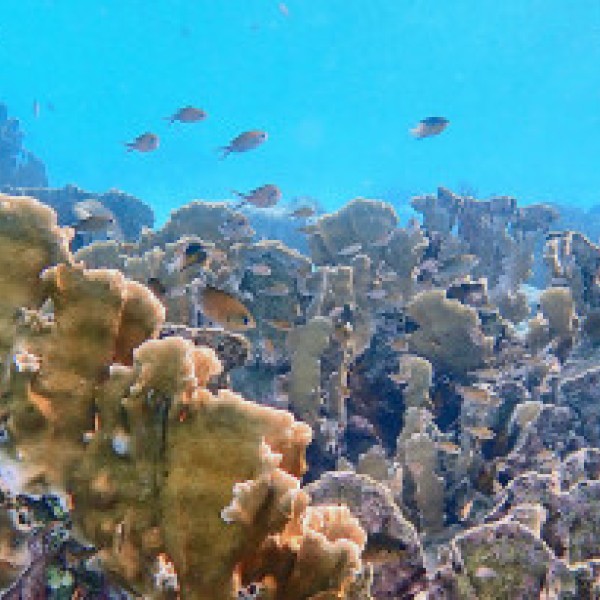
A doctoral student and a team of Cornell researchers and colleagues created WildFin, a data set composed of nine hours of video that they labeled frame-by-frame with fish behaviors.
News
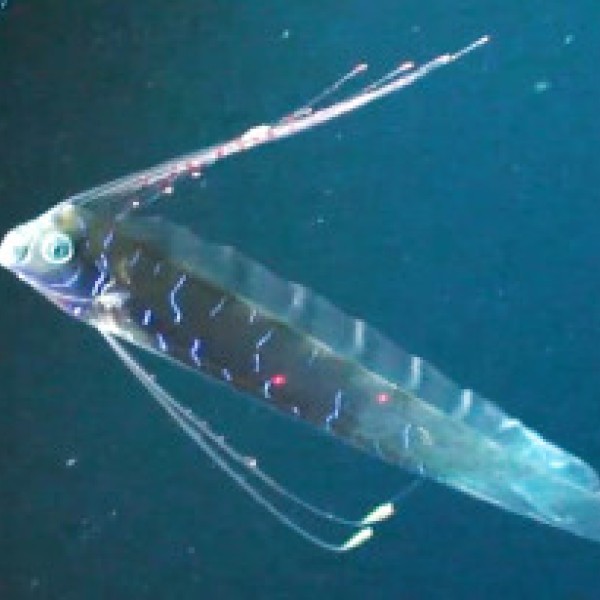
Oarfish, giant fish rarely spotted by humans, have hundreds of unique dorsal fin rays, which help propel the fish forward.

We openly share valuable knowledge.
Sign up for more insights, discoveries and solutions.
Please enter a valid email address to subscribe to the newsletter.