Back

Discover CALS

See how our current work and research is bringing new thinking and new solutions to some of today's biggest challenges.

|
By Shannon Dortch
Share
  • Cornell Botanic Gardens
  • Horticulture Section

When walking along a shady path bordering Forest Home Drive in the F.R. Newman Arboretum, a sign recessed in the vegetation – with the simple words “memorial area” – signals entry into the heart of the Floriculture War Memorial.

This leafy area honors the 14 students in what was then the Floriculture Department who lost their lives in the two world wars. The memorial is one of several sites at Cornell Botanic Gardens that honor members of the Cornell community, who served in the U.S Armed Forces, and it is among the many enduring acknowledgements of veterans across the Cornell campus.

Many of Cornell’s sites honor those who served in World War I and World War II – not surprising, as the university dispatched thousands of its own to serve in those conflicts. During WWI, Cornell provided 4,598 commissioned officers to the war effort, more than any other institution, including West Point.

The Cornell Veterans Colleague Network Group is doing the ongoing work of identifying and documenting sites at Cornell that honor military veterans and making this information available on its Cornell University Veterans Memorials website. The group also organizes running and walking tours of military-related sites at Cornell.

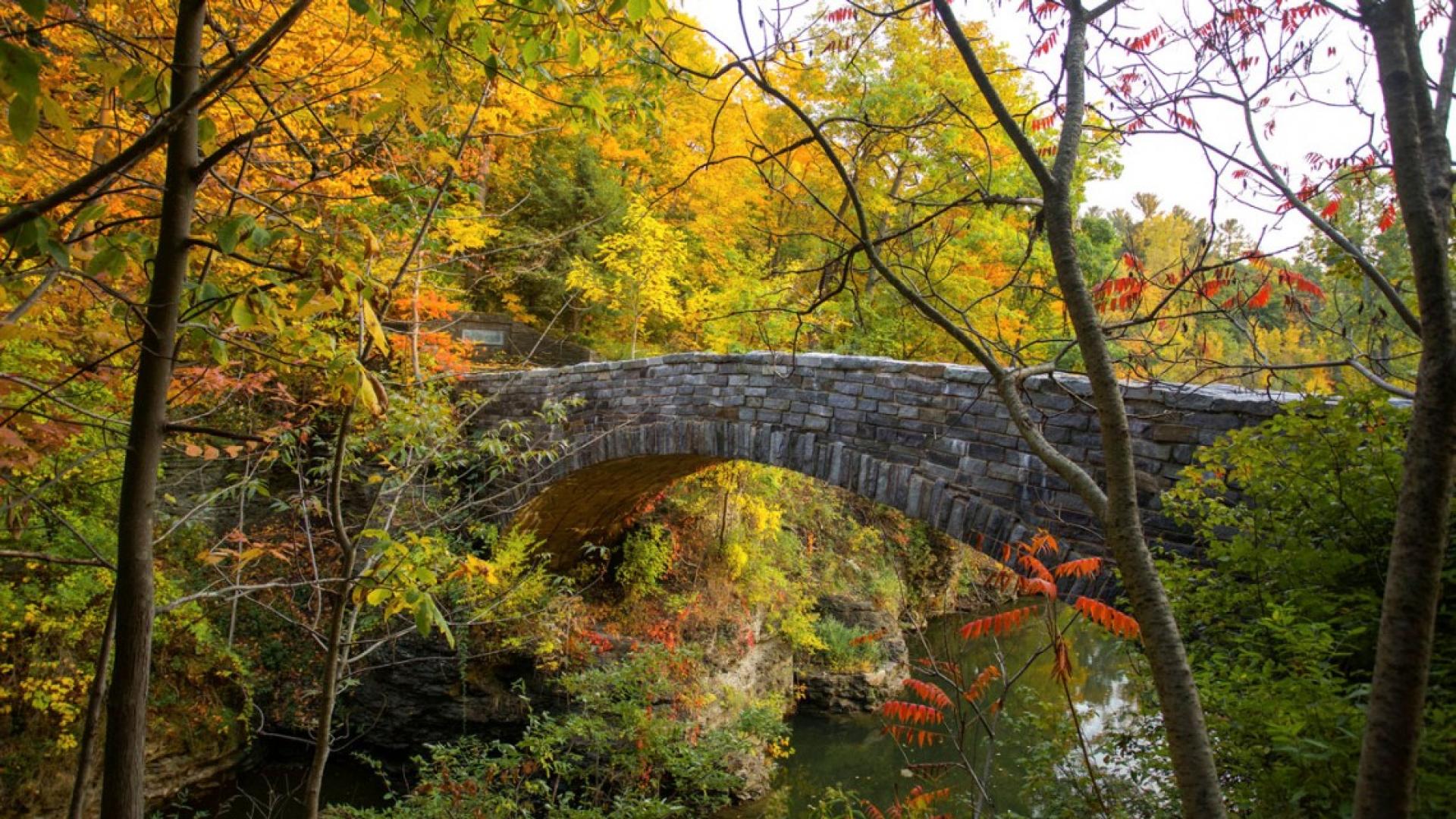
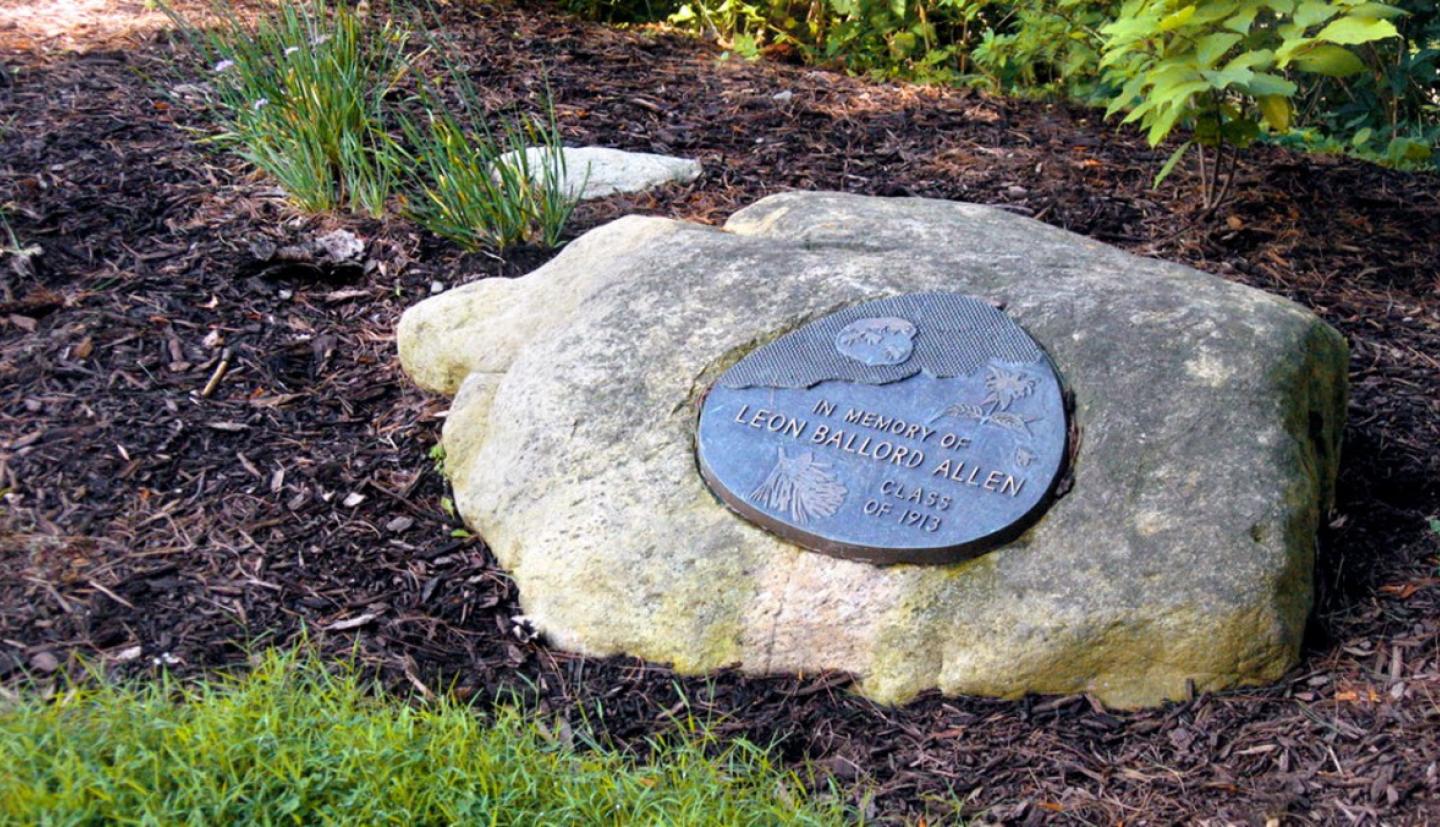
Cornell Botanic Gardens has five places – Sackett Bridge, Leon Ballord Allen Trail, the Palmer-Kinne Dogwood Collection, the Floriculture War Memorial and the Southeast Overlook – that recognize the service of veterans across generations.

Read the full story about these areas on the Botanic Gardens website.

Shannon Dortch is associate director of communications and marketing for Cornell Botanic Gardens.

This article also appeared in the Cornell Chronicle.

Header image: Sackett Bridge, in Cornell Botanic Gardens’ Beebe Lake natural area, is traversed by hundreds of people each day. Photo by Brian Maley/Provided

Keep Exploring

Several red 'Crimson Beauty" raspberries hang from green leaves and stems.

Report

Relevance Raspberry and strawberry production in the United States is concentrated in California and Florida, where climate variability and rising costs challenge long-term sustainability. Demand for locally grown fruit is increasing, creating...
  • Cornell Cooperative Extension
Charles Midega (left) and Roy Odawa display the Kontiki kiln they modified to make biochar from human feces. Credit: Rebecca Nelson

News

Cornell researchers and Kenyan partners have developed a fertilizer made from human excreta. The product improves soil health and food production, while preventing pollution in informal settlements and the aquatic environment.

  • Ashley School of Global Development and the Environment
  • Global Development Section
  • Agriculture