Back

Discover CALS

See how our current work and research is bringing new thinking and new solutions to some of today's biggest challenges.

Share
Lynn Weidberg Morgan ’89 never misses an opportunity to strengthen her Cornell connections.

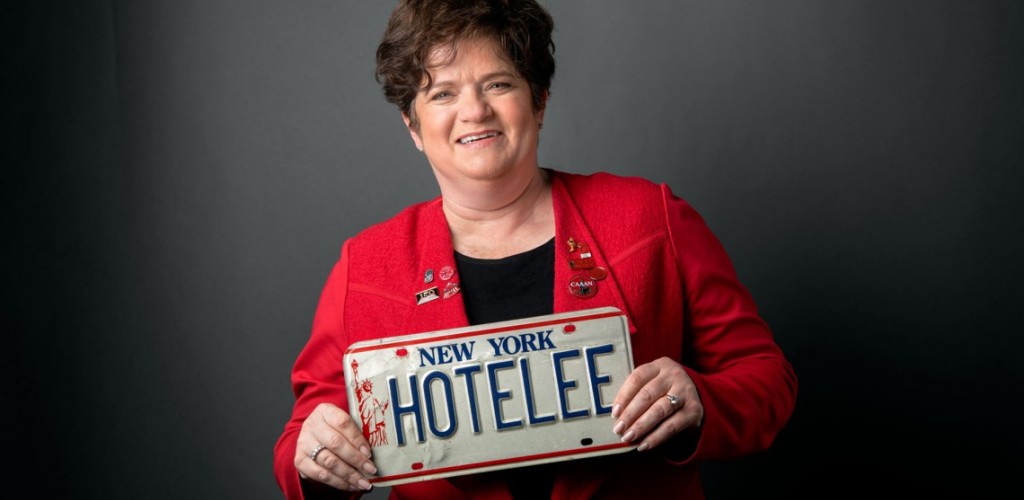
A volunteer for her class, a Cornell Hillel board member and a loyal donor, Morgan gives back in more ways than one and inspires others to do the same. The pins she collects serve as a visual reminder of the ways she strives to build lasting ties for herself and future Cornellians.

The passion Morgan feels for Cornell began long before she stepped onto campus her first year. Her numerous family ties to Cornell include her great uncle, Howard J. Blaugrund ’30; grandfather, Daniel J. Blaugrund ’36, J.D. ’37; sister, Suzanne Weidberg Klein ’96; uncle, Charles R. “Chip” Blaugrund ’67; and her father, Bertrand H. Weidberg ’62.

“I can remember back to very early Thanksgivings, where we would end Thanksgiving by singing the alma mater,” Morgan says. “It was a very warm memory from early on.”

Morgan lived in the same dorms her first year as her father did in 1958, the U-Halls. A knitted Cornell blanket – the blanket her great-grandmother made for her father for his freshman dorm room – hung on her wall.

These connections, and those Morgan made as a student in the School of Hotel Administration, helped launch her career, led to lifelong friendships and inspired her to give back starting immediately after graduation. Each pin she collects helps tell her Cornell story.

 “I always knew it was important to support things you care about,” she says. Morgan directs her giving each year to multiple areas she is passionate about, and says she is glad Cornell offers that ability to direct gifts to particular scholarships, clubs and colleges.

In addition to the myriad ways Morgan gives back, she makes a point of attending any Cornell events she can as a volunteer for the Cornell Club of Washington and the Cornell Hotel Society. She encourages others to attend events to make new friends and reconnect with classmates.

 “I find that having the shared experience of being fellow Cornellians accelerates your friendship and camaraderie so much, it’s like you’re already starting your friendship at chapter 6,” she says. 
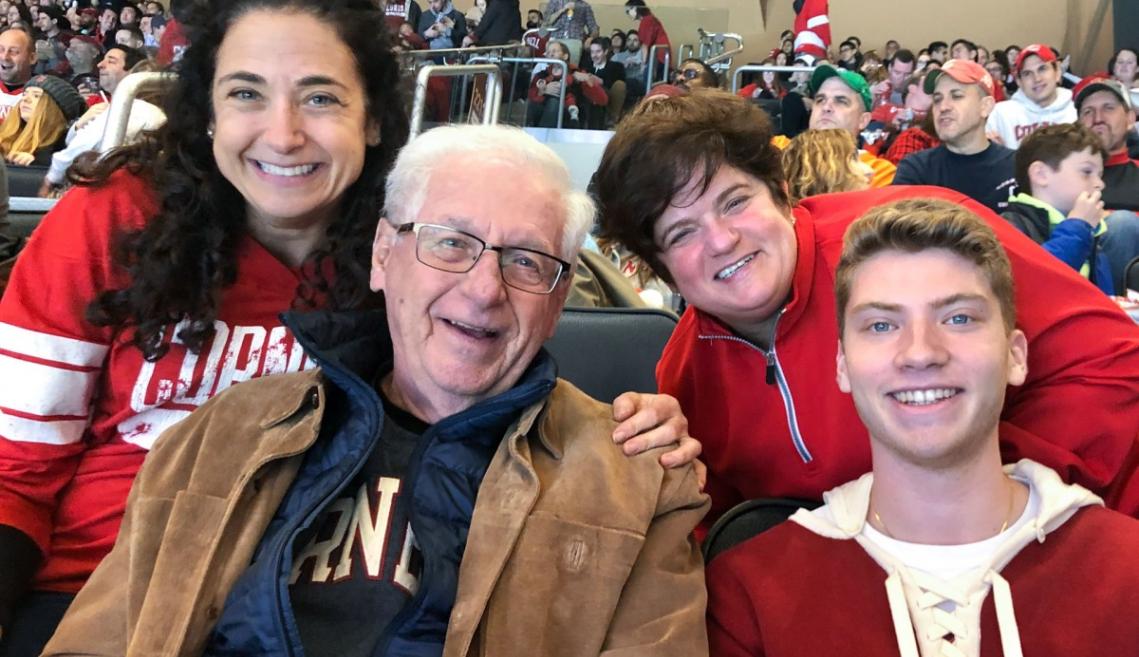
The Morgan family ties to Cornell continue today through a fourth generation. One of her three children, Daniel Morgan ’23, is enrolled in the College of Agriculture and Life Sciences. The red Cornell blanket Lynn Morgan’s great-grandmother knitted is now hanging on Daniel’s dorm room wall – a meaningful piece of family and Cornell history.

Although some things have changed since Lynn Morgan attended Cornell, the sense of community she felt remains strong for current students – thanks in large part to the continued involvement and support of alumni like her.

 “I grew up with a great message of how important ‘tikkun olam’ – repairing the world – is,” Morgan says. “I consider Cornell to be one of my most important philanthropies. Cornell gave me so much and I am dedicated to do my small part – through time, treasure and talent – to give it back and pay it forward. That’s the best way of ensuring the next generation is taken care of.”

This story originally appeared in the online-only spring 2020 issue of Ezra magazine.

This article also appeared in the Cornell Chronicle.

Keep Exploring

Several red 'Crimson Beauty" raspberries hang from green leaves and stems.

Report

Relevance Raspberry and strawberry production in the United States is concentrated in California and Florida, where climate variability and rising costs challenge long-term sustainability. Demand for locally grown fruit is increasing, creating...
  • Cornell Cooperative Extension
Charles Midega (left) and Roy Odawa display the Kontiki kiln they modified to make biochar from human feces. Credit: Rebecca Nelson

News

Cornell researchers and Kenyan partners have developed a fertilizer made from human excreta. The product improves soil health and food production, while preventing pollution in informal settlements and the aquatic environment.

  • Ashley School of Global Development and the Environment
  • Global Development Section
  • Agriculture