


Cornell Botanic Gardens has launched a new website, designed to help Cornell students, faculty, and the broader community explore the living, breathing heart of the Cornell campus and the nation’s fifth-largest public garden, and to deepen their vital connection to plants and nature.
Enhancements make it easier to plan a visit, enjoy the best of each season, access our vast plant collections, and enjoy the personal restoration that only the natural world provides. Here are some of the highlights:
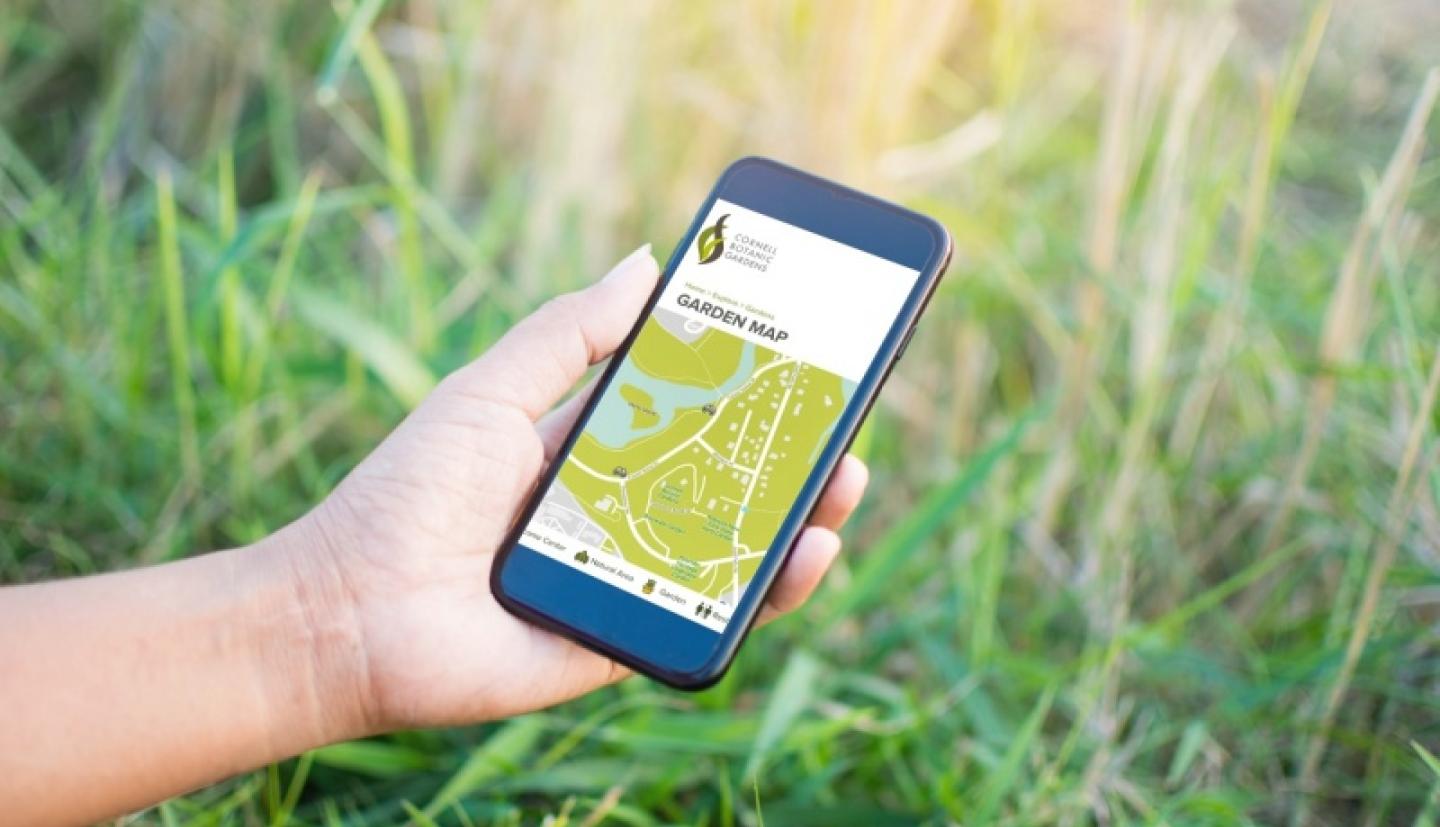
Between specialty gardens around the Nevin Welcome Center, tree collections and gardens in the F.R. Newman Arboretum, 44 natural areas, and 32 miles of trails, there is a lot to explore at Cornell Botanic Gardens. The website’s interactive map invites users to indicate their interests, then intelligently leads them on explorations of gardens, natural areas, scenic overlooks, waterfalls, and outdoor sculpture, as well as practical amenities like restrooms and parking areas. For each point of interest on the map, a window pops up with a link to more information or directions.
Cornell faculty and student opportunities
Cornell Botanic Gardens is here to enhance the research, teaching, and wellbeing of the Cornell community. Its 3,600 acres serve as the outdoor classroom and laboratory of the university. It provides educational and research opportunities to the Cornell academic community by hosting research, offering, with CALS, a master’s degree in Public Garden Leadership, and hosting class site visits for courses from all the university’s schools and colleges.
A new web feature provides information on using the botanic gardens for class instruction, research, and independent study, including a database of current and past research uses, and links to required forms.
Cornell Botanic Gardens is a living museum, and like other museums, has collections, all cataloged or “accessioned.” The new website makes collections—both those in cultivated gardens and of wild plants in natural areas—readily accessible. Each plant has a dedicated page with information imported from the plant records database that includes where the plant is growing in the gardens and natural areas.
This guide provides “not to be missed” gardens, natural areas, and plant collections, based on season, bloom, and more. It is frequently updated from reports of Cornell Botanic Gardens’ expert horticulturists, arborists, and ecologists.
The new Experiences section curates features of Cornell Botanic Gardens to match the needs and interests of visitors. Examples include the best options for exploring wetlands, learning about plants, wildlife watching, family fun, and visiting art in the garden.
Cornell Botanic Gardens is free and open to the public. Hours for the Nevin Welcome Center vary by season and are available on the website. Grounds are open dawn to dusk.


