With the Agriculture Improvement Act of 2018 – also known as the farm bill – signed into law, the new season of Cornell Cooperative Extension’s (CCE) “Extension Out Loud” podcast series kicks off by unpacking what the $867 billion legislation means for New York state farmers and agricultural stakeholders.
In the first episode of season 3, Julie Suarez, associate dean of governmental and community relations in the College of Agriculture and Life Sciences (CALS), joins CCE hosts Katie Baildon and Paul Treadwell to discuss the farm bill’s potential impact on areas such as New York’s dairy industry, nutrition policy, urban farming, industrial hemp and applied research.
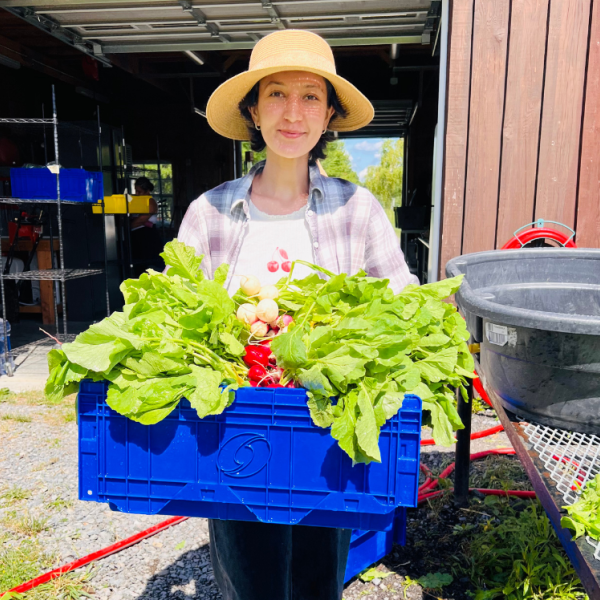
For Suarez, the most surprising inclusion in the bill was the creation of a new urban agriculture initiative within the USDA.
“This comes also with the creation of a new research and extension awards program that’s really going to focus on facilitating growth of urban farming and emerging crops,” Suarez said. “Cornell CALS has a lot of ties with urban growers already. Many of our urban growers are in fact Cornell CALS alumni, which is a wonderful thing.”
Another focus is on beginning farmers; funds have been added to the USDA Beginning Farmer and Rancher Development program as well as the veterans program. “We need to make sure we’re recruiting new people into the industry,” Suarez said, “and some of those programs will really help us going forward.”
Increased funding for advanced agricultural research and development was also an exciting inclusion, Suarez said: “The goal is to take ag science to the next level – what is the ‘moonshot’ in agricultural technology? It’s really focusing on innovative technology research to solve some of the pressing problems of the day.”
Suarez’s other takeaways include:
- The Supplemental Nutrition Assistance Program (SNAP) as well as the SNAP Education program, with which CCE has been very much engaged, remains largely intact.
- The new farm bill should provide some better risk management options for dairy farmers, particularly medium-sized to larger operations.
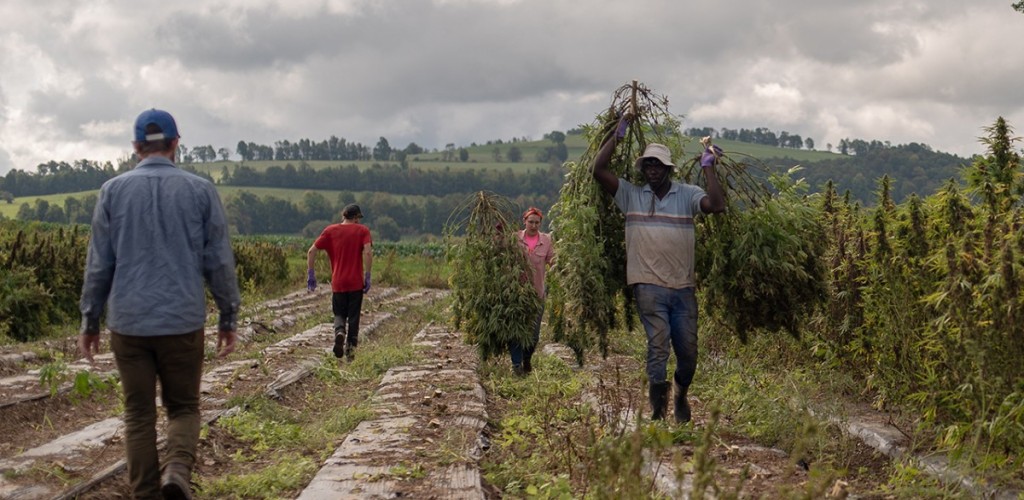
- Legalization of the growth and sale of industrial hemp, which will allow for the sale of products across state lines, makes New York growers poised to meet industry demand and will create opportunities for food entrepreneurs.
In the coming weeks, season 3 of “Extension Out Loud” will feature conversations on urban agriculture in New York City and Buffalo, maple production trends, and Cornell’s role administering the Program for Research on Youth Development and Engagement (PRYDE) in New York.
Full episodes of “Extension Out Loud,” can be streamed on: