Back

Discover CALS

See how our current work and research is bringing new thinking and new solutions to some of today's biggest challenges.

Share

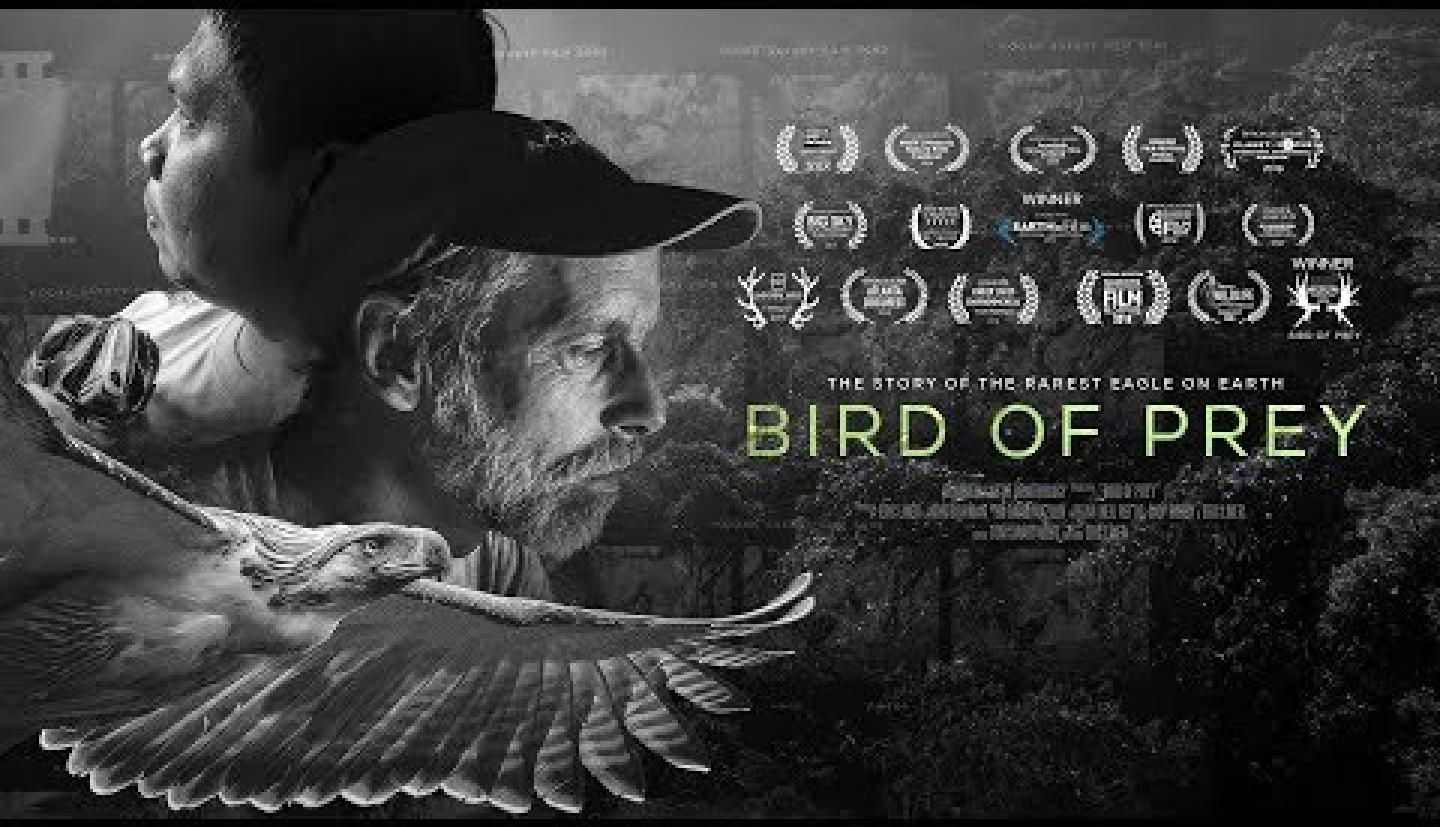
The Cornell Lab of Ornithology will host a screening of "Bird of Prey" Dec. 3 at 7 p.m. at Cornell Cinema, the Ithaca premiere for the award-winning new documentary about the highly endangered great Philippine eagle. This spectacular bird is the world’s largest and rarest eagle, and fewer than 800 remain today.

The future of these iconic raptors – and an untold number of other species – is tied to the fate of the Philippines’ last fragments of old-growth forest. Will conservation efforts be enough to save this majestic species from winking out?

The Cornell Lab’s Eric Liner directed the film and will be at the screening to answer questions.

Keep Exploring

Several red 'Crimson Beauty" raspberries hang from green leaves and stems.

Report

Relevance Raspberry and strawberry production in the United States is concentrated in California and Florida, where climate variability and rising costs challenge long-term sustainability. Demand for locally grown fruit is increasing, creating...
  • Cornell Cooperative Extension
Charles Midega (left) and Roy Odawa display the Kontiki kiln they modified to make biochar from human feces. Credit: Rebecca Nelson

News

Cornell researchers and Kenyan partners have developed a fertilizer made from human excreta. The product improves soil health and food production, while preventing pollution in informal settlements and the aquatic environment.

  • Ashley School of Global Development and the Environment
  • Global Development Section
  • Agriculture
