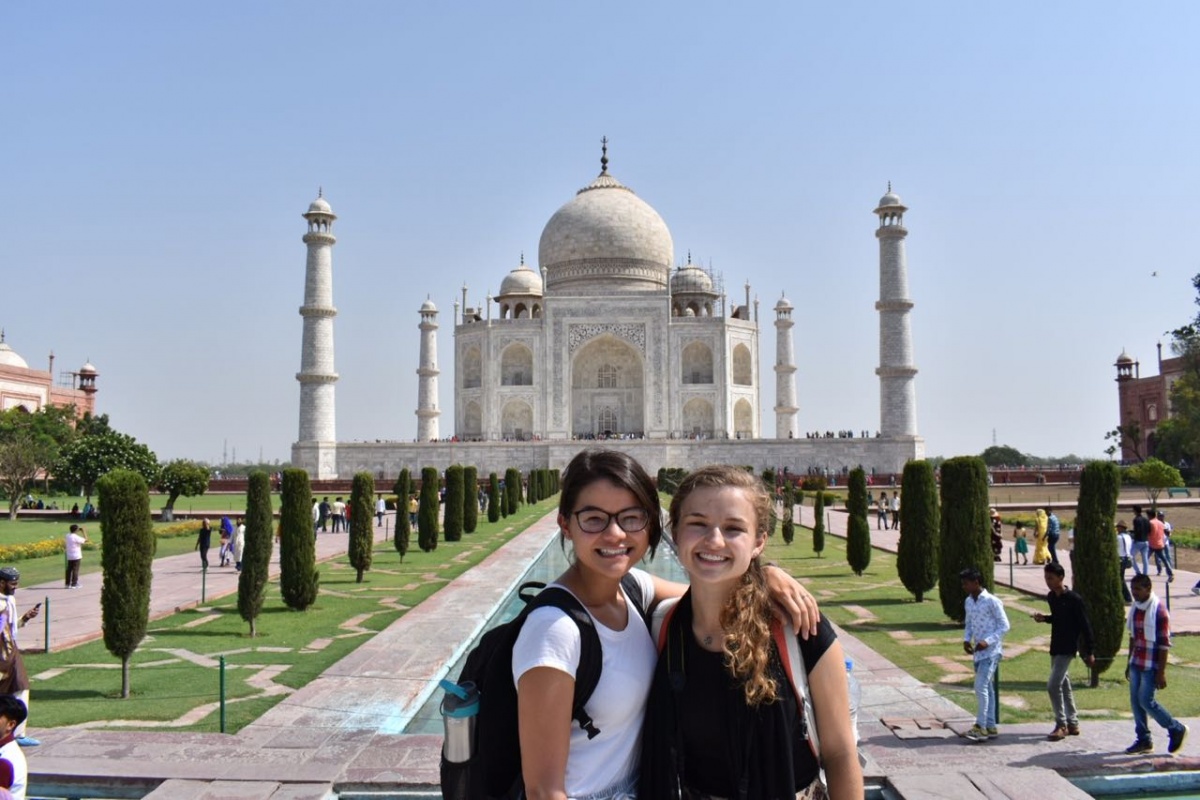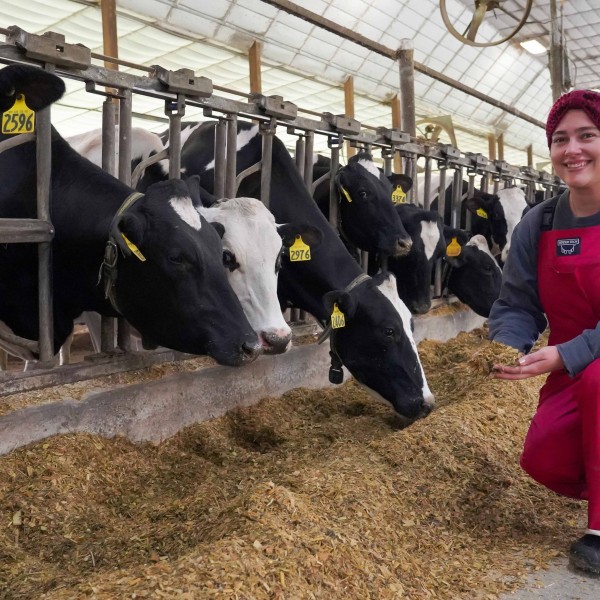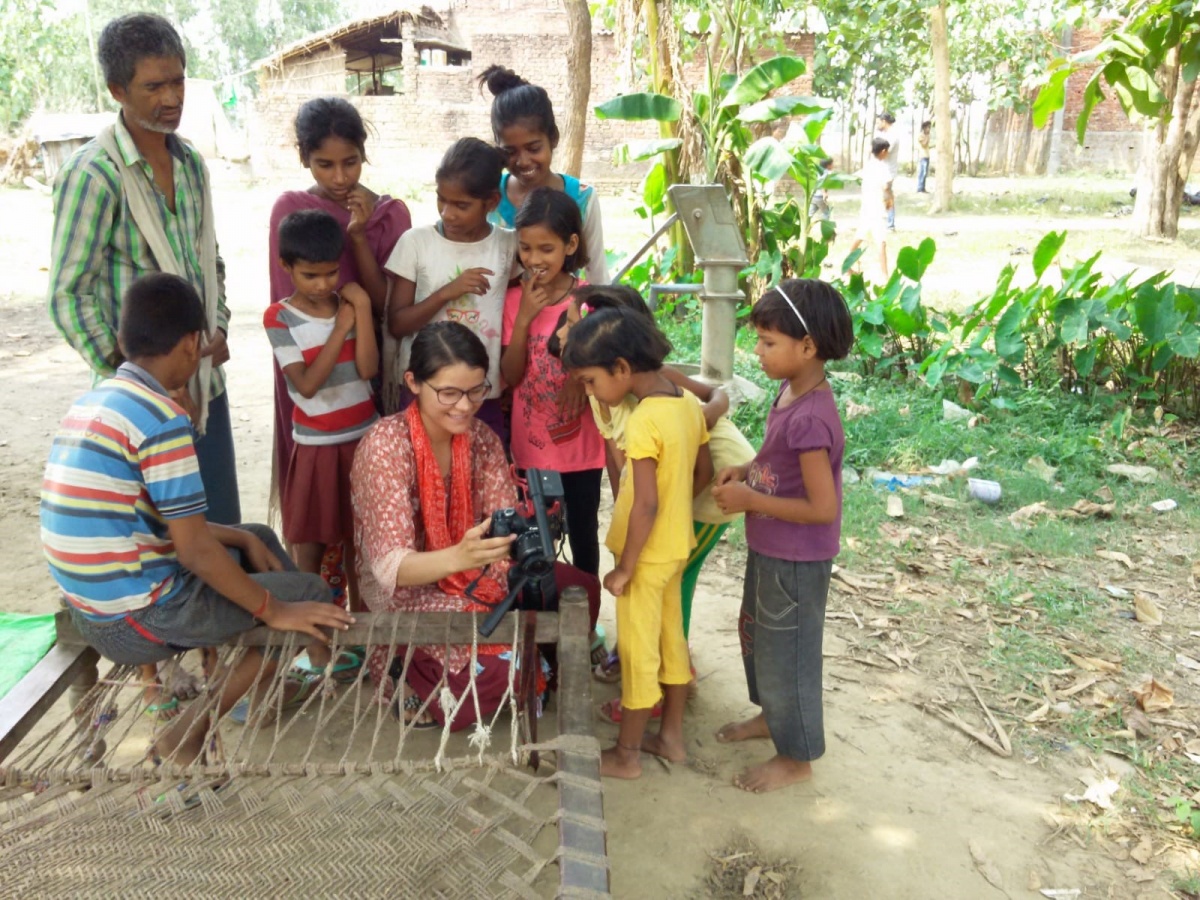
This summer, the whole world is the classroom for students in the CALS Global Fellows Program. Twenty-seven students representing 10 majors in the College of Agriculture and Life Sciences (CALS) departed to destinations around the globe for 8-week professional internships, ranging from organic and sustainable pest control in Kenya to food product development in Ecuador to individualized cutting-edge research projects at the National University of Singapore.
This year, for the first time, fellows include majors in entomology, information science, food science, plant sciences and interdisciplinary studies, enhancing the academic richness and reach of the program. Since its launch in 2016, global fellows have hailed from 16 of 23 CALS majors.
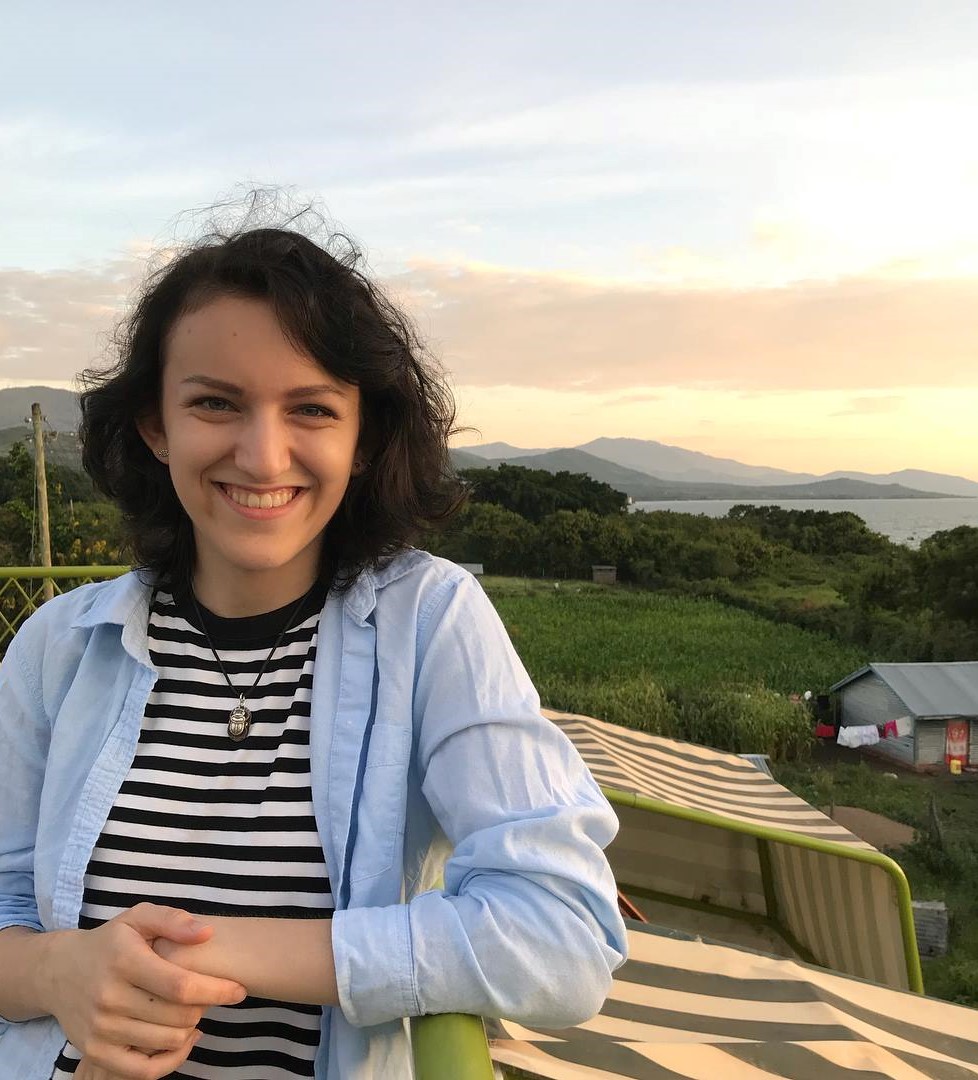
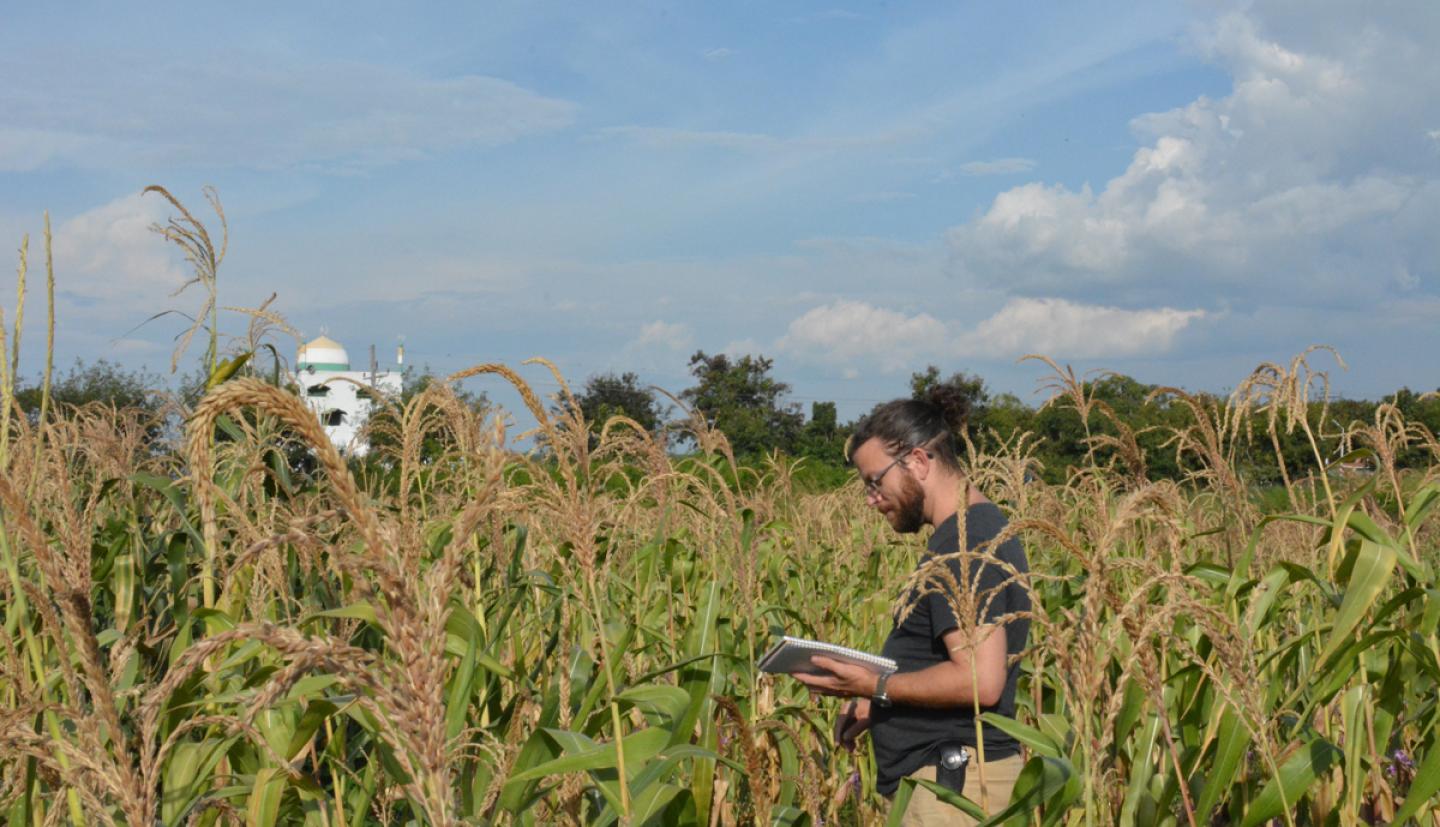
This summer, Annika Salzberg ’19 and Patrick O’Briant ’19 are interning at the International Centre for Insect Physiology and Ecology (icipe) in Mbita, Kenya. They are studying a pest management technique known as push-pull technology, which uses combinations of certain plants to repel, or “push” pests, and other plants that trap, or “pull” pests.
“Living and working in Kenya has been a very different experience for me than any I’ve had before,” said Salzberg, an entomology major from Baltimore who is researching how push-pull technology affects insect natural predators, specifically ladybugs and ants. “I’m the furthest I’ve ever been from the U.S., and have been given the freedom to design and execute my own research project — both of which have presented their own exciting challenges. I feel that this experience is helping me grow both as a researcher and as a person. I’m thrilled to have gotten the chance to expand and apply my entomological training to an agricultural setting for the first time.”
O’Briant, a plant sciences major from Ithaca, has been working with icipe staff to care for the insect colonies, fields and greenhouses. “Working here in Kenya is helping me to build upon knowledge that I’ve accrued from Cornell and start down the path of research that I’ll focus on for my doctorate,” said O’Briant, who is studying how volatile organic compounds released by maize plants grown in the push-pull soil and non-push-pull soil impacts parasitoid wasps.
Before embarking on internships, all fellows engage in a course featuring hands-on classroom activities and reflective practice focused on culture, identity and professional outcomes. Upon return, they participate in a post-engagement course that culminates in a November showcase event, in which students share their learning outcomes. The showcase this year will be held during International Education Week.
CALS Global Fellows expanded and strengthened its placement options this year working in partnership with existing Cornell CALS programming, individual faculty members and alumni to realize unique opportunities in India, Malawi, Kenya and Ecuador.
To explore a collaboration with the program, email Cindy Tarter at cmt95 [at] cornell.edu (cmt95[at]cornell[dot]edu).