

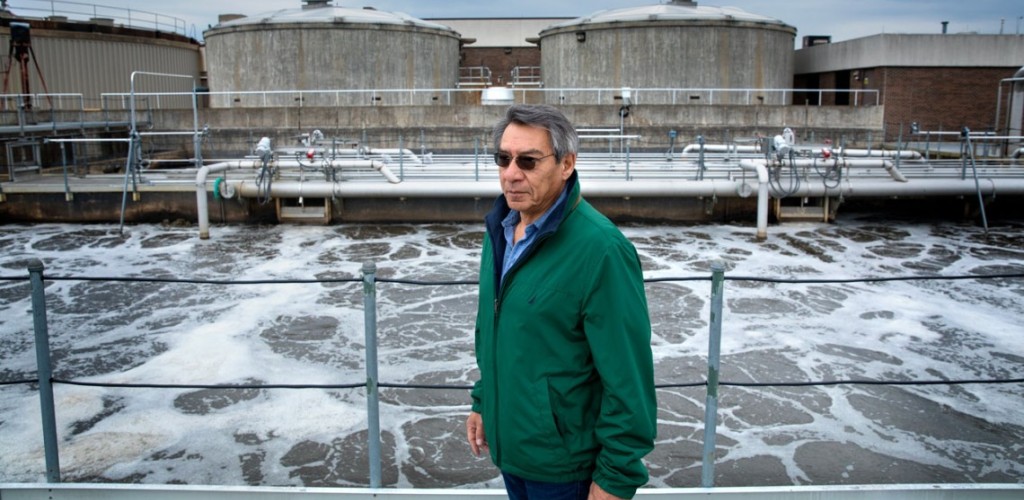
Clean water is one of the Earth’s most precious resources, and properly treating wastewater takes considerable time and energy. Biological Energy, a company based in Ithaca, is on a mission to revolutionize the way water is processed at wastewater treatment plants. The company has developed technology that increases the amount of water that can be treated at one time while requiring much less energy.
Founded in 2016 by Jose Luis Lozano, M.S. ’88, Ph.D. ’91, and Adrian Cosma, Biological Energy is poised for rapid growth in New York state with the help of business incubator Rev: Ithaca Startup Works and through recognition as a winner of NYSERDA’s 76West Clean Energy Competition in 2017.
Biological Energy has developed an electroactive attached growth (EAG) module that increases wastewater treatment capacity up to three times standard rates and eliminates more than 95 percent of nutrients that are harmful to the environment while reducing energy use. The EAG units employ a replicable, drop-in design that can be installed without costly renovations to existing water treatment facilities.
The technology recently was tested at a wastewater treatment plant in Albany, New York. Timothy Murphy, executive director of the Albany County Sewer Water Purification District, said the technology could potentially have a huge impact on treatment facilities, especially in communities experiencing large population growth and limited options to expand their facilities. “By applying this technology and relying less on large aeration systems, plants, especially smaller ones, could clean more water without the need for physically expanding,” Murphy said.
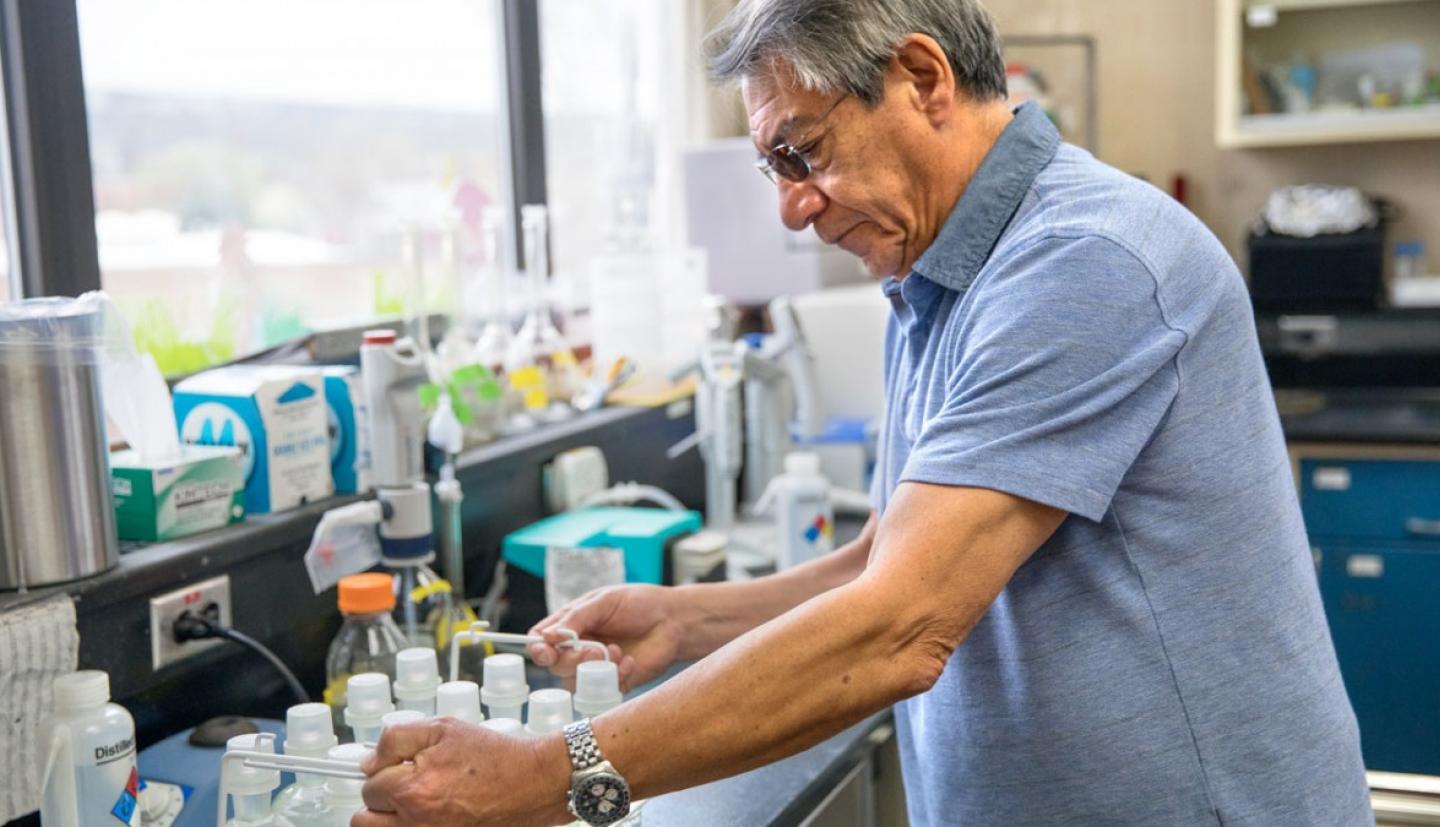
For plants and communities that face tight budgets, Biological Energy’s EAG units could help them decrease energy costs. “This techhology could also help some plants avoid the need to expand and the cost of construction projects,” added Murphy.
As a 76West competition winner, Biological Energy received a $250,000 prize, mentoring and business support. “Competing in a prestigious competition like 76West was a wonderful experience,” said Cosma. “In addition to the financial reward, it provided us with a venue to make connections and generate publicity by getting the company out there in front of as many eyeballs as possible.”
With the prize money from the 76West competition, Biological Energy plans to build its first full-size commercial EAG units to be piloted at multiple municipal and industrial wastewater treatment plants throughout New York state in the next few months. The firm has also invested a portion of the award to help protect its intellectual property rights.
Longtime residents of upstate New York, Cosma and Lozano are enthusiastic about the resources available to entrepreneurs throughout the region. Lozano said he is excited about the growth of the advanced technology industry in the Southern Tier and enjoys the quality of life the region has to offer: “I came to Cornell because it is one of the leading universities in the world for advanced technology and environmental issues. Ithaca and the Southern Tier are gorgeous and promising. The intellectual interactions that happen in the community here are unique in the world.”


