

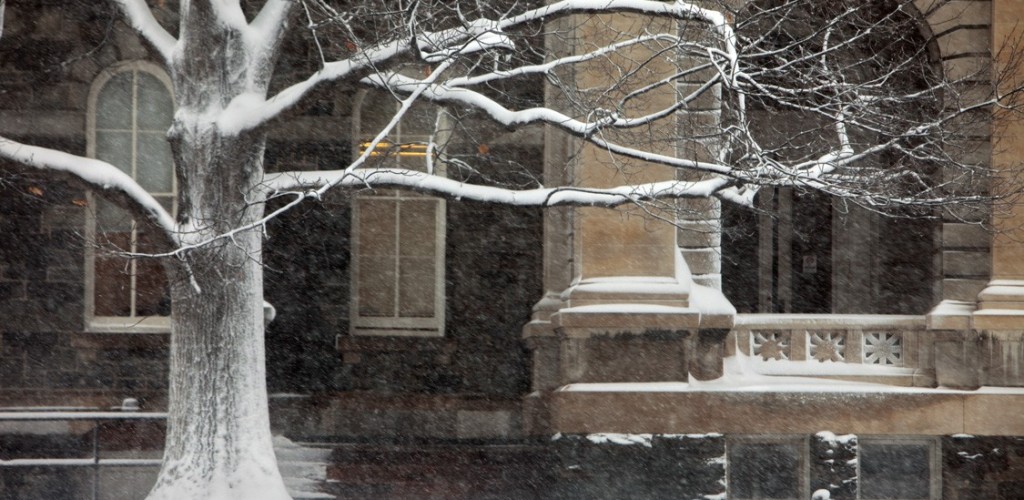
The Northeast’s recent weather featured a nor’easter and a severe, extended cold snap – where temperatures plunged below zero. From late December through the first week in January, for 17 of 35 major climate sites, the period ranked among the top ten longest streaks of consecutive days below 32 degrees, according to NOAA’s Northeast Regional Climate Center at Cornell.
The climate center reported that Erie, Pennsylvania shattered snow records – receiving almost double the record amount of snow for a one-month period. Erie saw 121.3 inches of snow December 2017. The previous record was 66.9 inches of snow in December 1989. For Erie, it was nearly a 94-inch departure from normal.
Snowy Caribou, Maine averages 22.9 inches of snow, but 34.2 inches fell in December and Rochester, New York averages 21.8 inches, but saw 34.7 inches – just shy of 3 feet – during the same period.
With many people indoors and staying warm, web surfers sought out climate change information. A 2012 Scientific American article, “The Winters of Our Discontent,” by Chuck Greene, professor of Earth and Atmospheric Sciences, enjoyed a wintry revival, according to ResearchGate.com. The article explains climate change and how the loss of Arctic sea ice favors harsh winter weather in the United States and Europe. Among science articles in December 2017, it was the most-read among Cornell authors.


