periodiCALS, Vol. 7, Issue 2, 2017
For students in the CALS Global Fellows Program, summer was anything but a vacation. Twenty-two undergraduates ventured abroad across four continents to participate in internships aimed at developing them into globally-minded leaders.
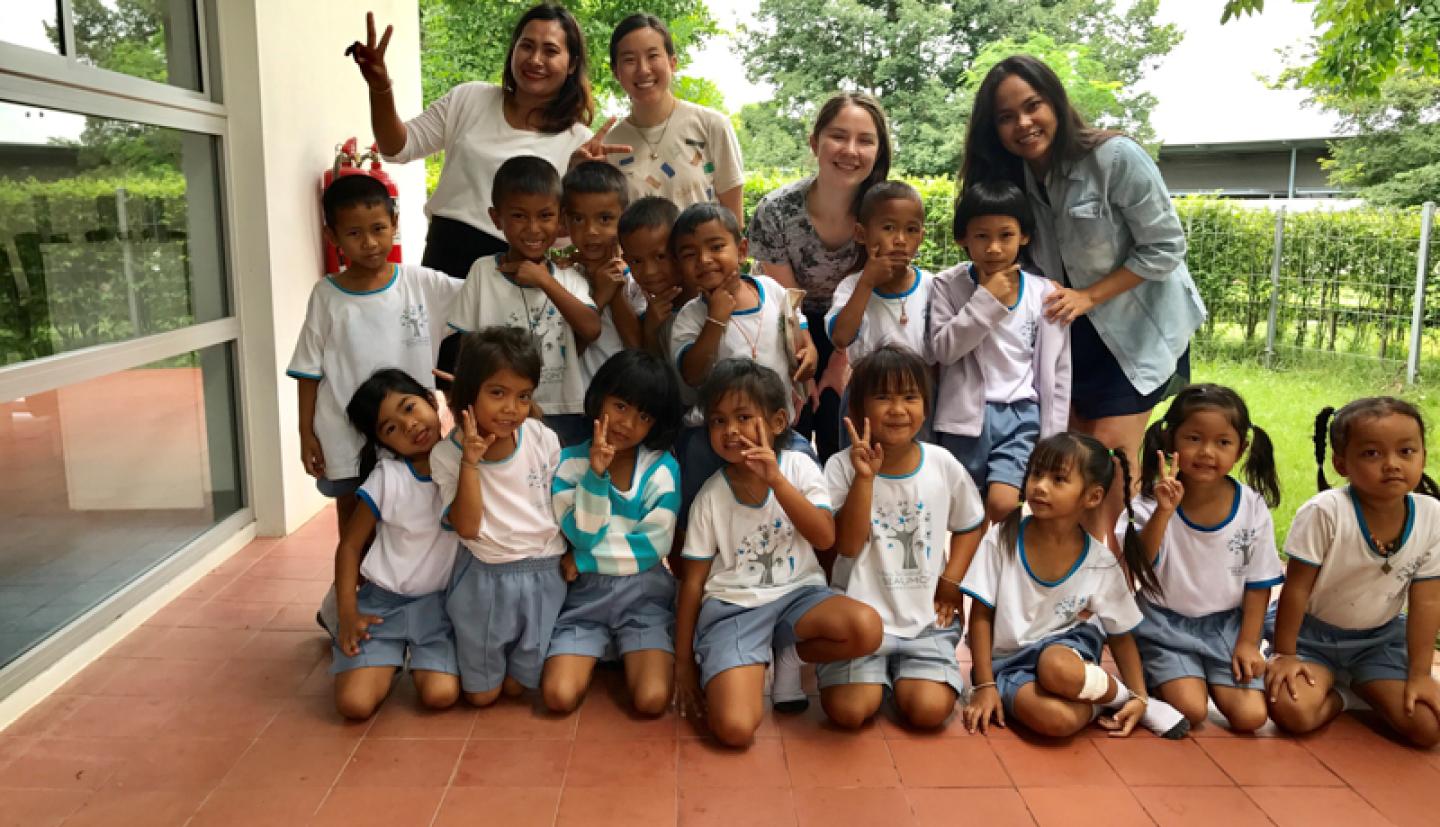
From Australia to Zambia, students worked directly with local organizations in eight different countries to utilize their skills and enthusiasm to make a tangible contribution in diverse global communities. Now in its second year, the CALS Global Fellows Program supports CALS undergraduates from any major in pursuit of challenging, professionally-focused summer internships of 6-10 weeks that enhance and complement their career goals and academic progress. The program arranges all placements and awards selected fellows up to $5,000 for logistical and financial support and professional development.
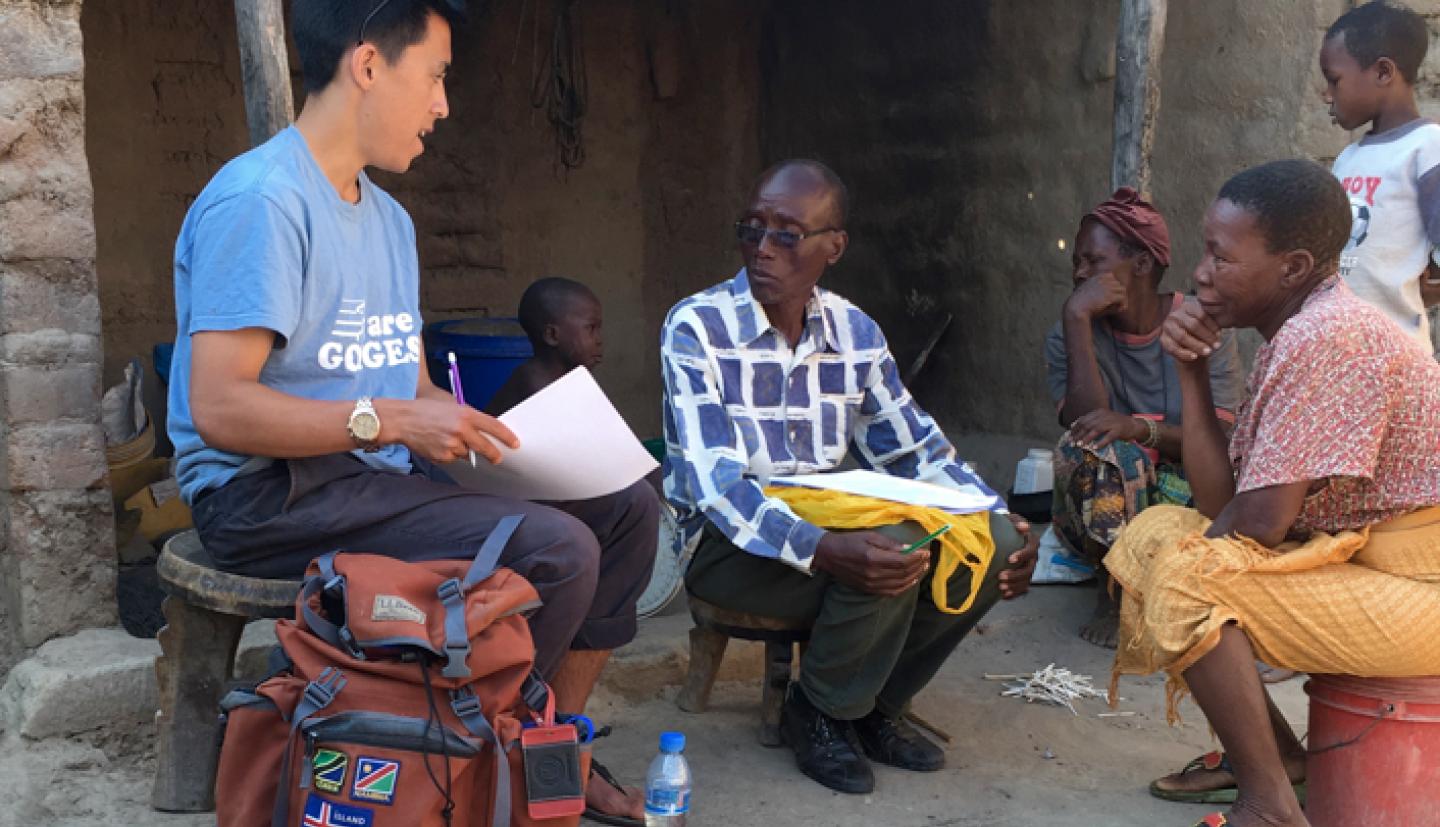
This summer, the students took part in a range of projects, from researching the spread of tuberculosis in Singapore to improving food security in Tanzania to supporting scientific teams working to bolster sheep farming in New Zealand.
“This experience has changed my perspective not only on the agriculture industry, but also on life,” said animal sciences major Sam Maloy ’18, who traveled to New Zealand to contribute to research on legume-based pastures for sheep. “Traveling internationally has made me realize how much of the world I have yet to see and experience.”
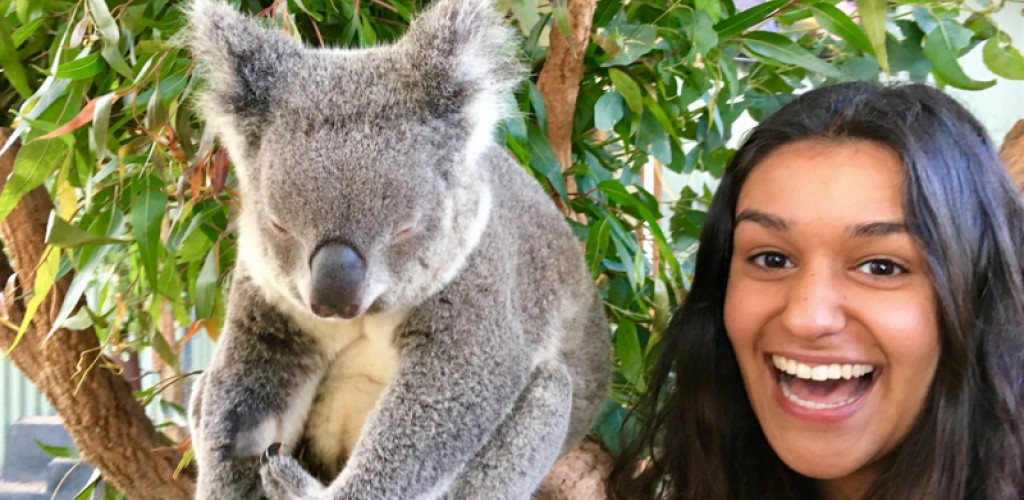
Along with the challenging work involved in their internships, students found opportunities to experience the diverse cultural and international immersion provided by the program.
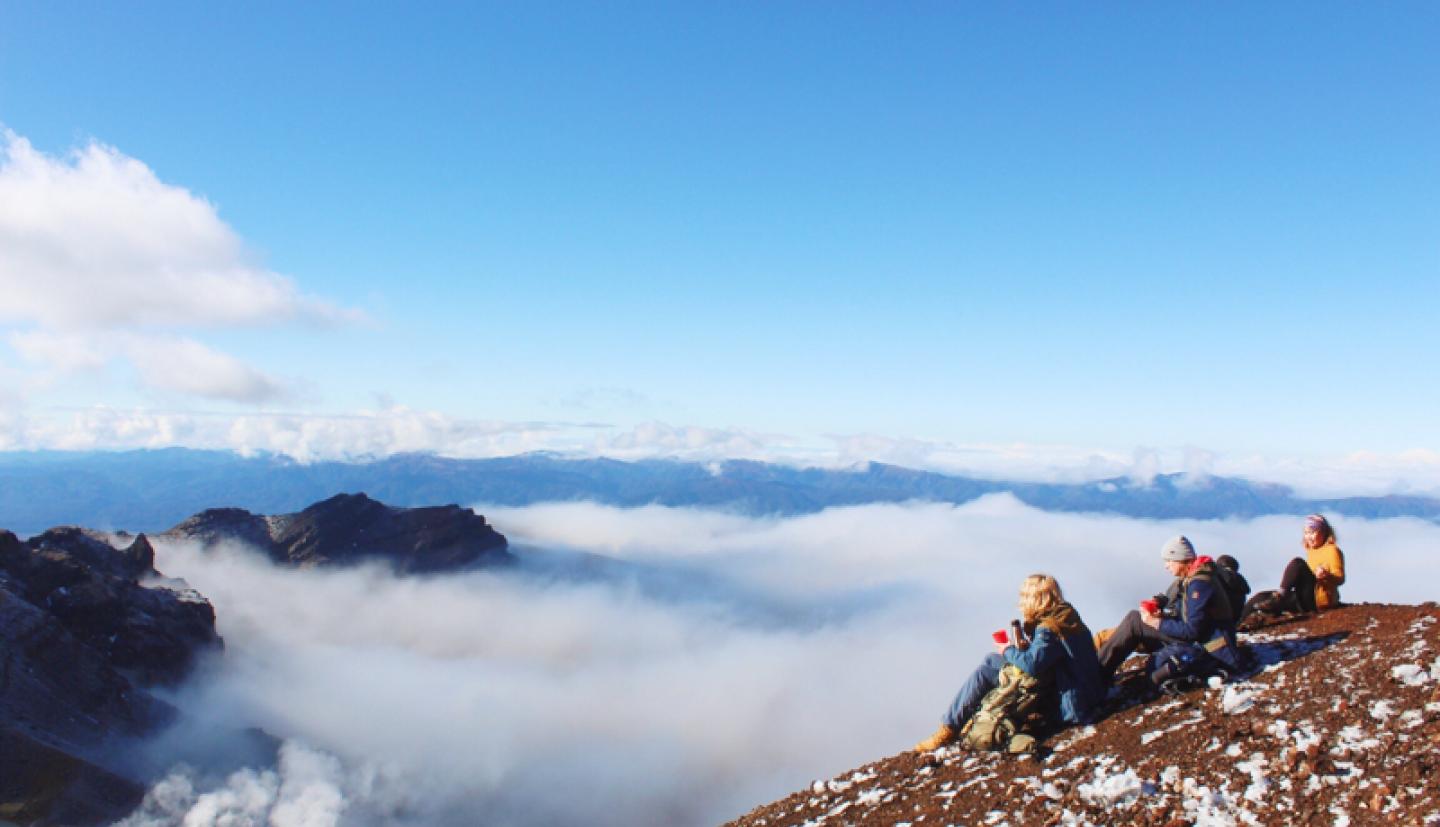
When Sam Maloy ’18 wasn’t studying ways to assist farmers in low-rainfall areas in New Zealand, she was out exploring the countryside. Here she’s visiting the North Island, where she hiked the volcanic terrain at Tongariro Alpine Crossing. Photo provided.