periodiCALS, Vol. 7, Issue 2, 2017
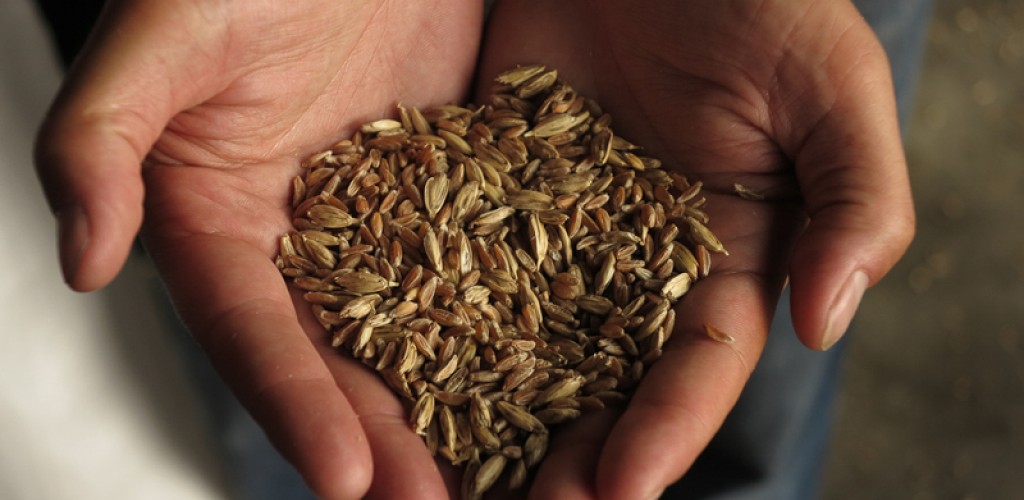
After a century of markets dominated by a few types of wheat and white flour, ancient and heritage wheat varieties are making a comeback.
“Consumer tastes are changing,” said Mark Sorrells, professor in the Plant Breeding and Genetics Section of SIPS. “They are interested in local and flavorful food products, and farmers are looking for value-added crops to sell for higher prices to consumers.”
With ancient forms of wheat such as emmer and einkorn now in demand, identifying varieties that are well suited for Northeastern and north-central climates under organic conditions became critical.
Looking to match food lovers’ tastes with farmers’ ability to supply unique and flavorful grains, Sorrells and his team are determining the most promising grains that can be marketed and processed and which—when turned into bread, pasta and baked goods—satisfy the sophisticated palates of modern consumers.
For three years the researchers evaluated 146 varieties of modern and heritage spring and winter wheat, spring emmer, spring and winter spelt, and spring einkorn. They identified grains that are higher quality, produce larger yields and resist disease.
“Farmers that grow these grains can now look at real data and choose varieties that are most likely to benefit them economically,” Sorrells said.