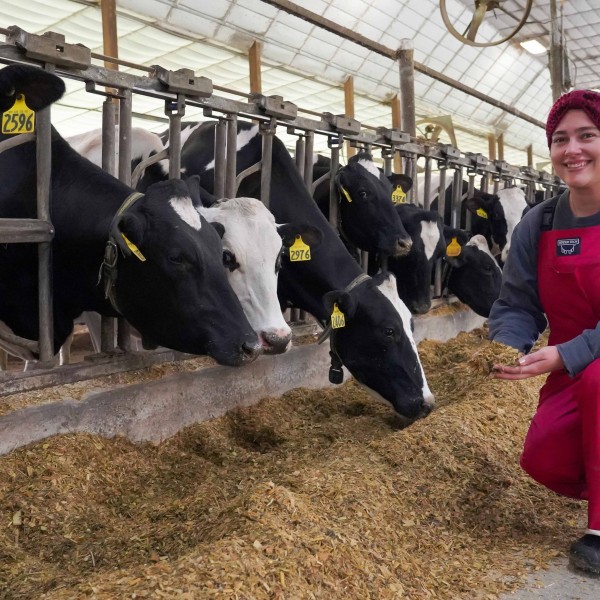
A “One Health” philosophy recognizes the interconnectedness of human, animal and environmental health.
With that comprehensive perspective in mind, the 2016 Cornell University One Health + Public Health + Global Health Symposium will take place Nov. 4, 8 a.m. to 4 p.m., in Biotech G10 and the lobby. The symposium will focus on the environment and its health-related impacts on wellness, infectious disease and food security. Campus and community partners will also have materials on display.
A poster session will take place from 4:30 to 6:30 p.m. in Martha Van Rensselaer Hall Commons.
The event is open to all as space permits.
Following a keynote lecture by Sherilee Harper, assistant professor of population medicine at the University of Guelph, the symposium will feature three sessions. Session one will cover environment and (re)emerging diseases, including Lyme disease, the Zika virus, avian influenza and rabies; session two will be on the environment and food security, and will look at land management, climate change, local food systems, food justice and water; and session three will focus on environment and well-being, including the role of natural environments in health and plant medicine.
Speakers will include Cornell faculty, staff, and graduate and undergraduate students, as well as community leaders.
The event comes as Cornell prepares to launch a new Master of Public Health program in the fall 2017 semester, with a focus on epidemiology, infectious disease, food systems and sustainability.
The symposium is sponsored by the Master of Public Health program, the College of Agriculture and Life Sciences, the College of Veterinary Medicine, the Office of Engagement Initiatives, Global Cornell, the Graduate School, and the Atkinson Center for a Sustainable Future.