Christopher Watkins, an expert in postharvest science research, presented a lecture about new technologies for the storage of horticultural products at the American Society for Horticultural Science (ASHS) annual conference in Atlanta on Aug. 8.
Watkins, professor of postharvest science, associate dean of the College of Agriculture and Life Sciences, and director of the Cornell University Cooperative Extension, gave the prestigious B.Y. Morrison Memorial Lecture talk to other scientific leaders in the study of specialty crops.
Established by the Agricultural Research Service (ARS), the memorial lectureship recognizes scientists who have made outstanding contributions to horticulture and other environmental sciences, to encourage the use of these sciences, and to stress the urgency of preserving and enhancing natural beauty.
ARS credited Watkins for his contributions to the success of fruit and floral industries around the world as a leader in postharvest science and outreach. His research about controlled atmosphere biology, edible quality of fruit management, and chilling injury prevention is used across varieties and cultivars, across species, and across production areas.
Watkins has been leader in addressing apple industry issues by applying new developments in postharvest technologies. The ARS noted that his research exploring artificial ripening regulator 1-methylcyclopropene (1-MCP) has been instrumental in the understanding of apple ethylene biology, both from a scientific standpoint and from industry’s applied perspective and practical need to control ripening.
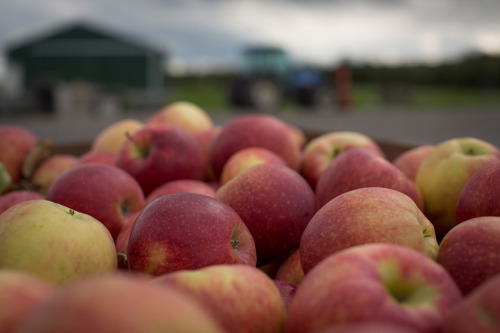
The apple industry has greatly improved the quality of fruit delivered to consumers while reducing or eliminating the use of synthetic postharvest chemicals due to Watkins’ work, according to the ARS. Specifically, his research with Honeycrisp apples identified a postharvest strategy that has largely eliminated postharvest chilling injury, which has allowed this variety to achieve a profitability unprecedented in the apple industry.
ARS is the U.S. Department of Agriculture’s chief in-house scientific research agency.