

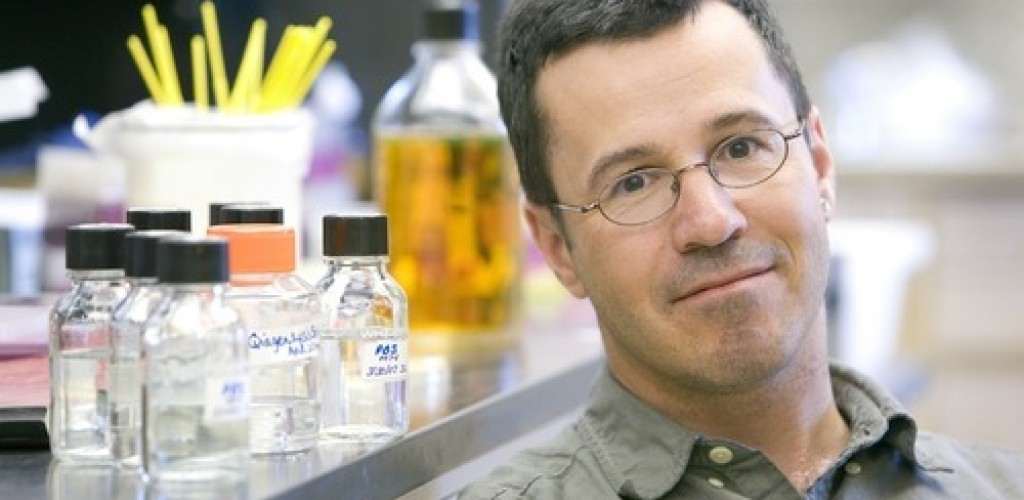
Tracking one of the deadliest food contamination organisms through produce farms and natural environments alike, Cornell microbiologists are showing how to use big datasets to predict where the next outbreak could start.
Specifically, the lethal listeria bacterium, Listeria monocytogenes, might be lurking in moist soil, close to open water and near livestock pastures, according to a Journal of Food Protection article, “Geographical and Meteorological Factors Associated with Isolation of Listeria Species in New York State Produce Production and Natural Environments.”
“Due to the complexity of landscapes, it’s basically impossible to know which environments favor the presence of listeria species or other disease-causing bacteria that may contaminate foods,” said Martin Wiedmann, professor of food science and one of five researchers behind the article in the Journal of Food Protection. “We thus took a ‘big data’ approach that combined data from hundreds of bacterial samples from farms and forests across upstate New York with mapping data to identify locations that may favor the presence of specific bacteria.”
Read the full story here.


