Hiromi Hosono, a visiting associate professor at the Charles H. Dyson School of Applied Economics and Management, died Nov. 22 in a traffic accident in Chicago. She was 42 years old.
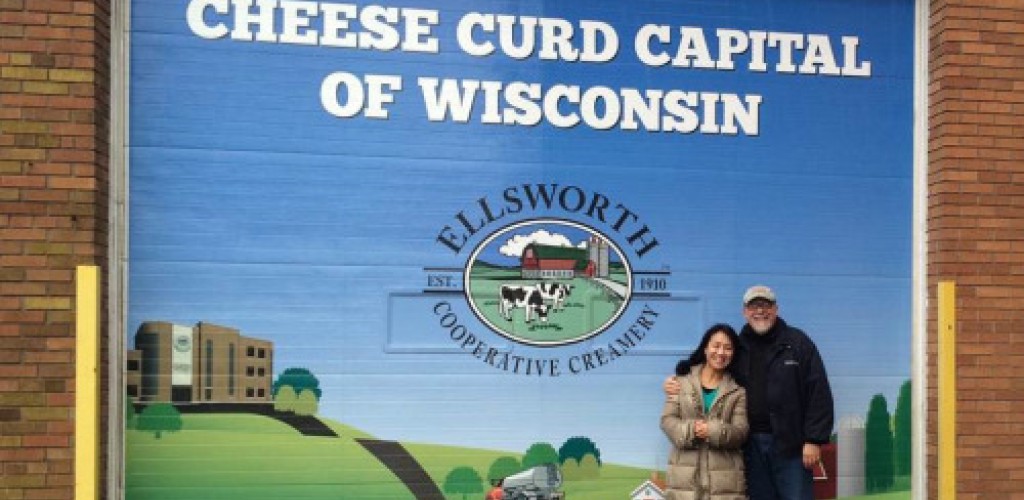
An expert in the economics of agriculture and food industries in Japan, Hosono came to Cornell to research U.S. dairy market policy. She had been traveling in the Upper Midwest as part of a dairy study tour with Dyson professor Andy Novakovic.
“She was an intelligent and adventurous person whose eagerness to acquire information and insights was surpassed only by her unfailing capacity to accumulate friends,” Novakovic said of Hosono, who he called “a most vibrant and joyful woman.”
“I will remember her always as someone who made you think and smile at the same time,” he added.
An associate professor in the Graduate School of Agricultural and Life Sciences at the University of Tokyo, Hosono worked closely with the Japanese dairy industry to assess and develop strategies to better position itself in a world increasingly open to trade and competition.
“This is a devastating loss of a talented, engaging young scholar,” said Dyson School director Chris Barrett.
Members of the Cornell community seeking support can call Gannett Health Services’ Counseling and Psychological Services (607-255-5155), EARS’ peer counselors (607-255-3277), the Faculty Staff Assistance Program (607-255-2673) or find additional resources at Cornell’s Caring Community.
Learn more about Hosono at the Chicago Tribune: http://tinyurl.com/pkba3b9