

The Department of Development Sociology kicked off a yearlong centennial celebration in September with the theme “Looking Back to Move Forward.” For the past 100 years, the department has influenced the trajectory of research, teaching and outreach on development and social change. The department was founded in 1915 as the Department of Rural Social Organization in the College of Agriculture at a time when New York and most of the United States were rural and agricultural. Over time, its name and focus have evolved with changing demographics and development needs. The department was renamed Rural Sociology in 1939, reflecting the establishment of the national Rural Sociological Society. In 2003, the department changed its name once more, to Development Sociology. This change recognized the importance of urban and rural transformations to the broader development process, expanding the focus to encompass global population and development, the politics and economics of development, environment and development, and the social organization of food systems. The department offers an undergraduate major and two minors and has produced more than 330 Ph.D.s who have gone on to distinguished careers in and out of academia.
Keep Exploring
News
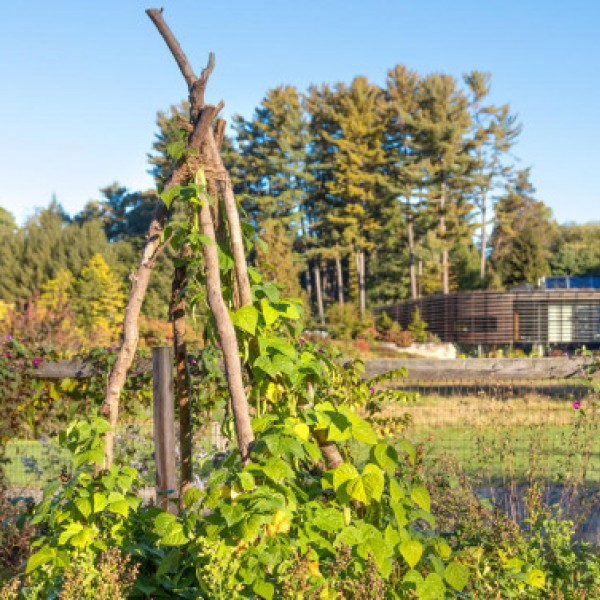
Through plants and personal stories, a new student-led exhibit at Cornell Botanic Gardens explores the concept that people live because the natural world lives.
News
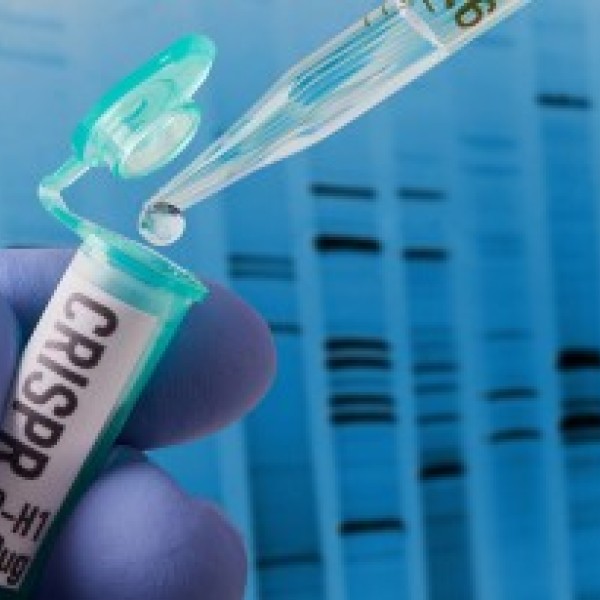
A new engineered gene editing system addresses some of the limitations of current gene editing tools with the hope of improving their use for research, for better crops or to treat diseases.

We openly share valuable knowledge.
Sign up for more insights, discoveries and solutions.
Please enter a valid email address to subscribe to the newsletter.