Back

Discover CALS

See how our current work and research is bringing new thinking and new solutions to some of today's biggest challenges.

Share

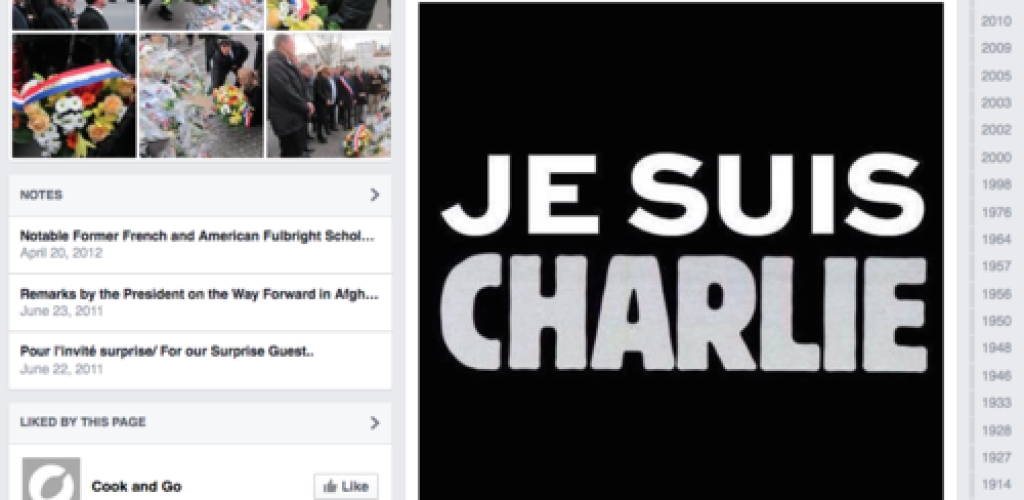
Drew Margolin, a professor of communication at Cornell University who studies human dynamics through social media and is co-author of the study “The Ripple of Fear, Sympathy and Solidarity During the Boston Bombings,” says reactions to Boston and Paris terror attacks show social media solidarity as a powerful weapon against fear.

“There are definitely similarities in the use of the #JeSuisCharlie and the #BostonStrong hashtags. Both are symbolic expressions of solidarity with victims extended by people who are geographically dispersed, a phenomenon that is becoming more and more prevalent when these kind of terrible events occur.

“What’s interesting is that our findings during the Boston Bombings show this solidarity was expressed most in the places that expressed the most fear. In other words, the attack seemed to generate its own resistance, with social media facilitating the mutual awareness of that resistance.”
 

Media contact info here.

Keep Exploring

Several red 'Crimson Beauty" raspberries hang from green leaves and stems.

Report

Relevance Raspberry and strawberry production in the United States is concentrated in California and Florida, where climate variability and rising costs challenge long-term sustainability. Demand for locally grown fruit is increasing, creating...
  • Cornell Cooperative Extension
Charles Midega (left) and Roy Odawa display the Kontiki kiln they modified to make biochar from human feces. Credit: Rebecca Nelson

News

Cornell researchers and Kenyan partners have developed a fertilizer made from human excreta. The product improves soil health and food production, while preventing pollution in informal settlements and the aquatic environment.

  • Ashley School of Global Development and the Environment
  • Global Development Section
  • Agriculture