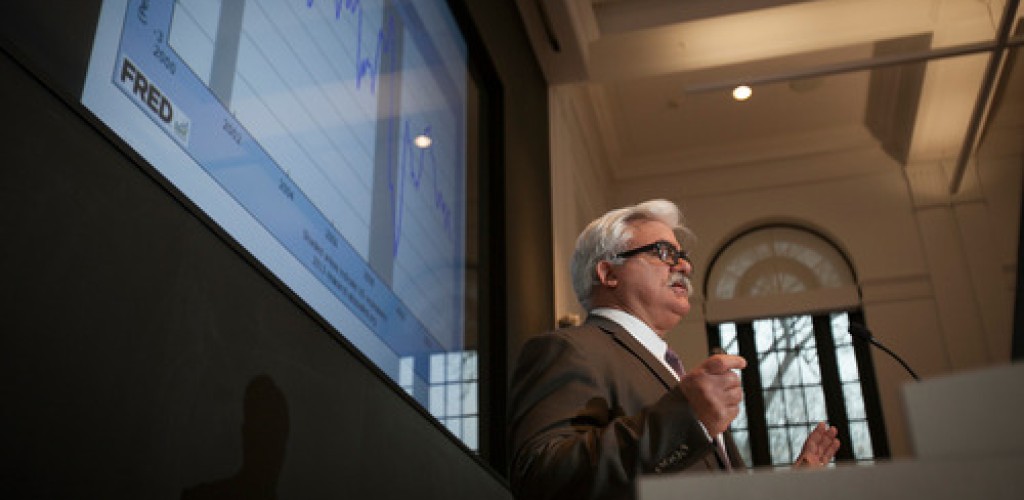
The U.S. continues to be ”the brightest spot in the global economic outlook,” declared the Dyson School’s Steve Kyle Dec. 9 at the annual Agribusiness Economic Outlook Conference. “But we need to reduce the drag caused by fiscal policy while avoiding a premature tightening of monetary policy,” the macroeconomics expert opined.
Kyle’s predictions for 2015:
• Another year of 3 percent growth in U.S. Gross Domestic Product.
• Unemployment to drop to 5.5 percent, perhaps as low as 5 percent in 2015.
• Inflation will remain at its current, negligible level.
• Interest rates should remain near zero, Kyle predicted, “though long rates may creep up.”
• Fiscal policy is always “the big uncertainty,” he mourned. “Let’s hope for a bit of willingness to spend since we need it and it isn’t an election year.”
• Regarding Europe, Kyle said there’s “no hope for relief as long as their political establishment remains wedded to austerity.” He expressed confidence in Mario Draghi, president of the European Central Bank, saying the Italian economist “will try to save [EU member countries] from themselves.”
Detailed predictions for 2015 – as well as Kyle’s prognostications for the past decade – are posted at his “crystal ball” website.
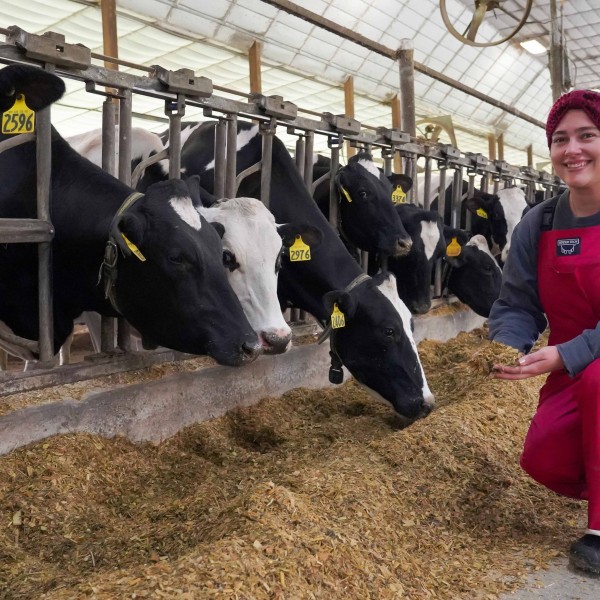
More on the risks being faced by dairy farmers and this year’s Agribusiness Economic Outlook Conference is available here.