

A person’s genes can shape the types of microbes that reside in the human gut independent of the person’s environment, according to a Cornell-led study published Nov. 6 in the journal Cell.
The researchers examined more than 1,000 fecal samples from 416 sets of twins and identified many types of microbes, the amounts of which were influenced by a person’s genetics, with microbes in the family Christensenellaceae being the most heritable.
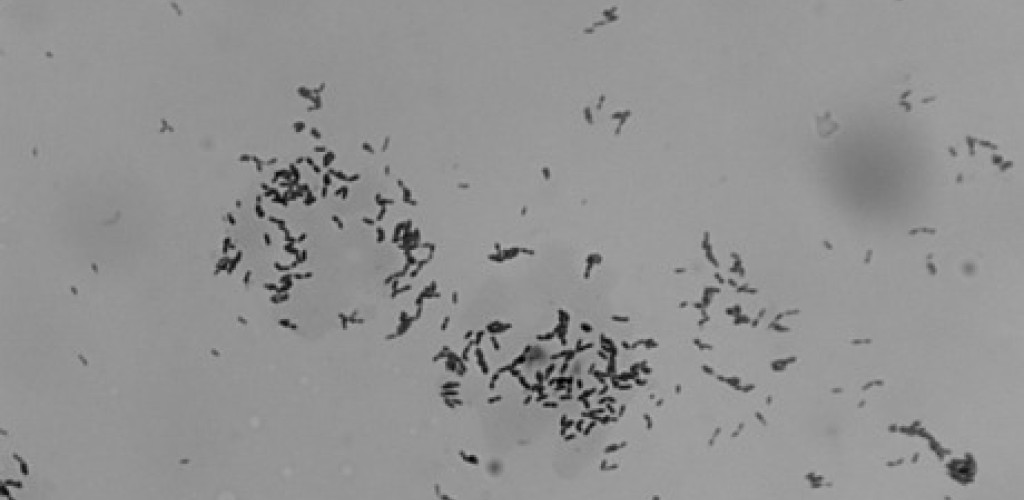
The study found that people with higher amounts of the gut bacteria Christensenellaceae minuta tended to be leaner, according to body mass index data of the subjects. In experiments, when live C. Minuta were added to germ-free mice without the bacteria, the mice were leaner.
“If you look across the population [of gut bacteria] and explain abundances, there is a host genetic component,” said Ruth Ley, associate professor of microbiology and the paper’s senior author. “Up until now there had been no direct evidence that anything in the human gut is under that kind of [genetic] influence.”


