A recent announcement by Richard A. Ball got a warm reception by wineries affected by harsh winter weather. The State Agriculture Commissioner said he would ease restrictions on farm wineries that are required to use only grapes grown in New York in their products.
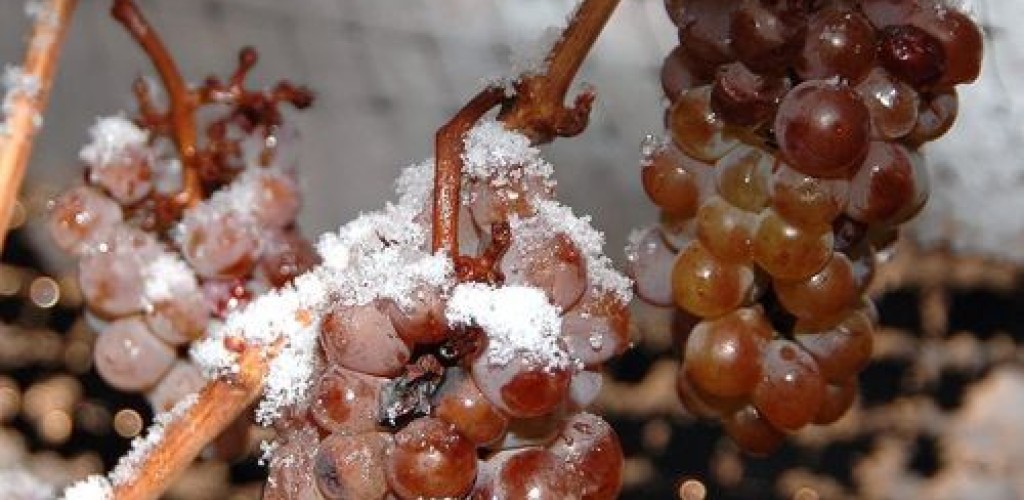
The combination of harsh winter temperatures, sustained cold, lack of snow cover, and alternating warmer and colder temperatures killed critical fruiting buds, vastly reducing 2014’s grape yield. An assessment conducted by Cornell Cooperative Extension determined that 15 grape varieties in the state experienced over a 40 percent loss, putting heavy demand on the surviving grapes. Vineyards also saw trunk damage, which could necessitate the replacement of entire plants. Some vineyards received little to no damage, while neighbors down the road were devastated.
This is the first time since 2005 that the Commissioner has given authorization to a farm winery to manufacture or sell wine produced from grapes grown outside of New York due to adverse weather conditions. It applies to farm wineries statewide, and covered grape varieties include: Riesling, Cabernet Franc, Pinot Noir, Chardonnay, Gewürztraminer, Merlot, Pinot Gris, Cabernet Sauvignon, Lemberger, Syrah, Gamay Noir, Brianna, Frontenac, La Crescent, and Noiret.
“The state’s grape harvest is fast approaching and due to freezing temperatures that severely damaged plants throughout the state, there will be more demand than supply for New York grapes,” said Commissioner Ball. “We need to give New York’s world class farm wineries every tool possible to succeed this year, and this is a strong tool that can provide the industry with immediate assistance. It gives wineries the flexibility to adjust to their own unique situations. I thank our friends at Cornell for assessing the damage on behalf of the wine industry.”
“The success of our vineyards and wineries are central to the economy of New York, and on behalf of the College of Agriculture and Life Sciences, I congratulate the hard work contributed by those completing this survey,” added Dean Kathryn Boor. “This assessment has provided our state leadership with the information needed to implement fast action towards a remedy, and this declaration positions our growers and beverage entrepreneurs with the flexibility needed this year to foster their continued prosperity.”
New York ranks third in the nation in wine and grape production. According to a recent study commissioned by the New York Wine and Grape Foundation, the full economic impact of New York grapes, grape juice and wine in 2012 was $4.8 billion. Since 2011, the number of farm wineries has risen by nearly 50 percent, from 195 to 291 today. In addition, the number of farm wineries opening branch offices, authorized by legislation signed by Governor Cuomo in 2011, has increased by 97 percent, from 29 to 57, and the number of wineries has also increased, from 52 in 2011 to 76 today, for a total 46 percent growth.