

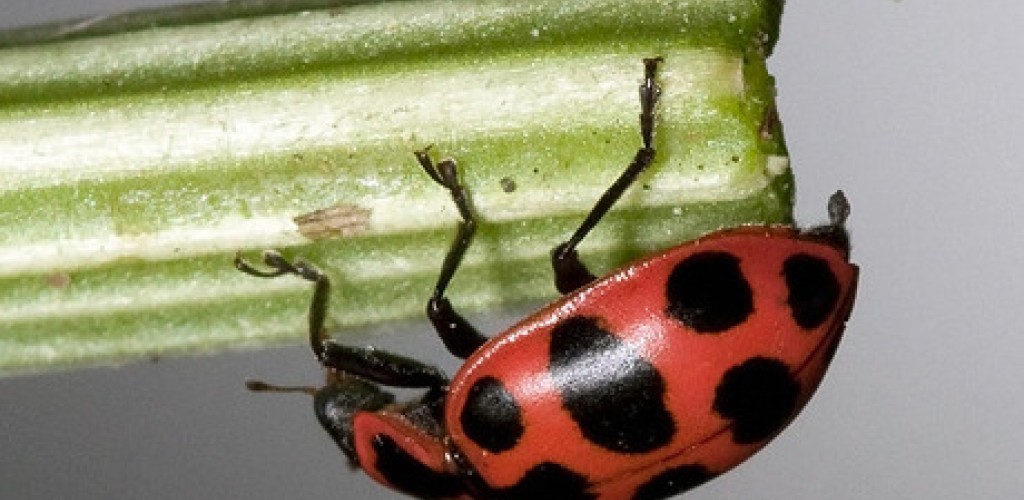
Crops genetically modified with the bacterium Bt (Bacillus thuringiensis) produce proteins that kill pest insects. Steady exposure has prompted concern that pests will develop resistance to these proteins, making Bt plants ineffective.
Cornell research shows that the combination of natural enemies, such as ladybeetles, with Bt crops delays a pest’s ability to evolve resistance to these insecticidal proteins.
“This is the first demonstrated example of a predator being able to delay the evolution of resistance in an insect pest to a Bt crop,” said Anthony Shelton, a professor of entomology at Cornell University’s New York State Agricultural Experiment Station in Geneva, N.Y., and a co-author of the paper. Xiaoxia Liu, a visiting scientist from China Agricultural University who worked in the Shelton lab, is the lead author on the paper published March 3 in the journal PLoS One.
Read the rest of the story in the Cornell Chronicle.


