Back

Discover CALS

See how our current work and research is bringing new thinking and new solutions to some of today's biggest challenges.

Share

Via cornellentomology:

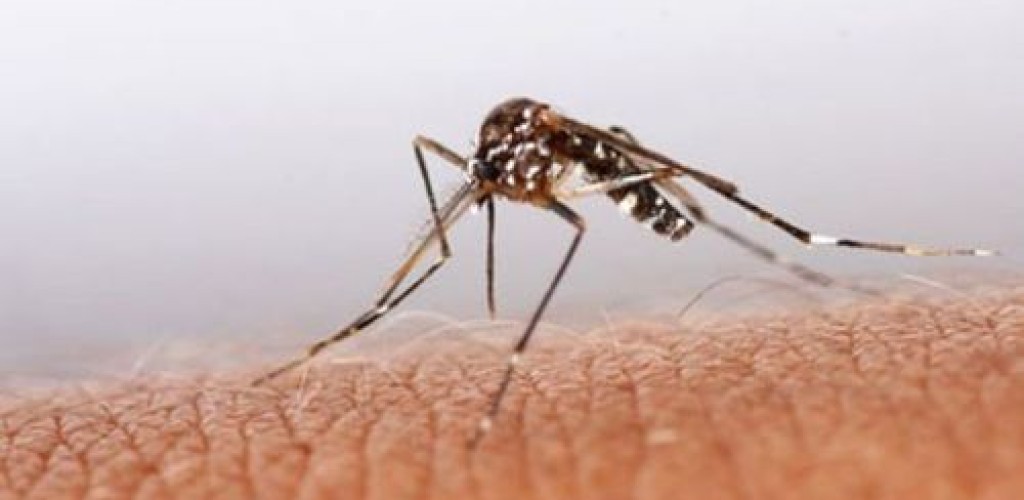
Some experts worry that it’s only a matter of time before chikungunya fever spreads to the United States.

“We definitely should be concerned,” said Laura Harrington, a professor of entomology at Cornell University who specializes in the spread of chikungunya and other tropical diseases.

The death rate from chikungunya is fairly low about 1 to 2 percent “but it does cause a lot of discomfort,” Harrington told Live Science.

Read the full article here!

Keep Exploring

Several red 'Crimson Beauty" raspberries hang from green leaves and stems.

Report

Relevance Raspberry and strawberry production in the United States is concentrated in California and Florida, where climate variability and rising costs challenge long-term sustainability. Demand for locally grown fruit is increasing, creating...
  • Cornell Cooperative Extension
Charles Midega (left) and Roy Odawa display the Kontiki kiln they modified to make biochar from human feces. Credit: Rebecca Nelson

News

Cornell researchers and Kenyan partners have developed a fertilizer made from human excreta. The product improves soil health and food production, while preventing pollution in informal settlements and the aquatic environment.

  • Ashley School of Global Development and the Environment
  • Global Development Section
  • Agriculture
