Back

Discover CALS

See how our current work and research is bringing new thinking and new solutions to some of today's biggest challenges.

Share

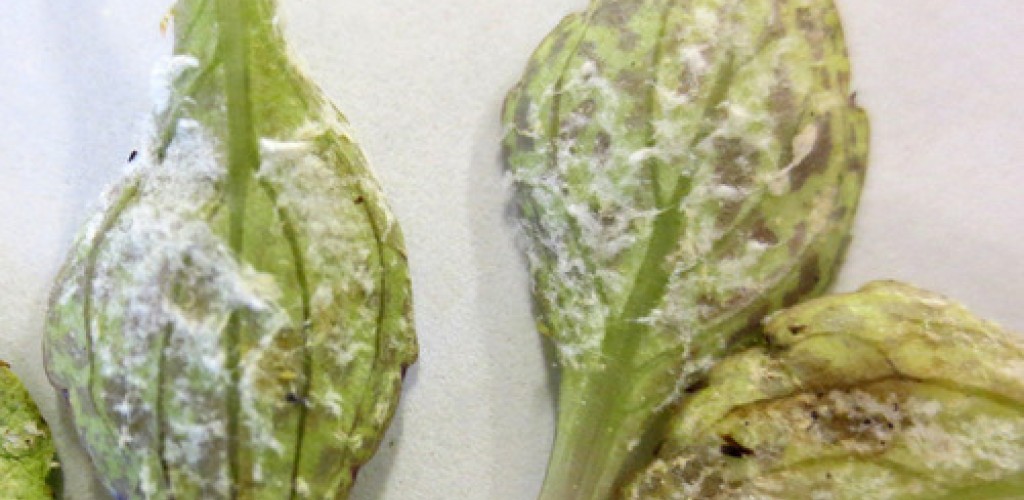
Home gardeners and flower lovers across the Northeast were crying foul earlier this year when the first reports of impatiens downy mildew began to appear. The disease thrives in moist, cool conditions and can infect leaves of the shade-dwelling plant that remain wet for four or more hours. Afflicted plants soon develop yellowed leaves with undersides covered in a white, downy-like growth. Eventually, these leaves drop off, causing the plant to wither and die. 

Cornell Cooperative Extension has recently joined forces with Michigan State University to survey growers and retailers to gauge the financial impact of this emergent blight on the U.S. greenhouse industry. The information gathered in the survey will be summarized and presented in industry magazines. The survey closes on November 1.

Keep Exploring

Several red 'Crimson Beauty" raspberries hang from green leaves and stems.

Report

Relevance Raspberry and strawberry production in the United States is concentrated in California and Florida, where climate variability and rising costs challenge long-term sustainability. Demand for locally grown fruit is increasing, creating...
  • Cornell Cooperative Extension
Charles Midega (left) and Roy Odawa display the Kontiki kiln they modified to make biochar from human feces. Credit: Rebecca Nelson

News

Cornell researchers and Kenyan partners have developed a fertilizer made from human excreta. The product improves soil health and food production, while preventing pollution in informal settlements and the aquatic environment.

  • Ashley School of Global Development and the Environment
  • Global Development Section
  • Agriculture