

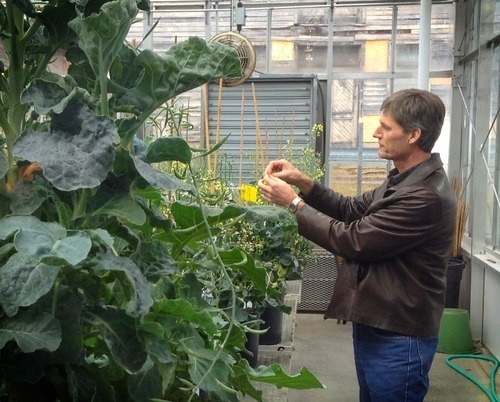
Wow! Mother Jones, Monsanto, and Cornell are all on the same page regarding the benefits of the Eastern Broccoli Project! As Thomas Björkman, associate professor of horticulture, recently explained to the notoriously left-leaning magazine, although biotech giants Monsanto and Syngenta are partners in the effort to develop new varieties of broccoli that can be commercially cultivated in East Coast growing conditions, the breakthrough broccoli varieties developed will be wholly owned by the project and licensed for use by both large- and small-scale seed producers. This means that big agribusinesses will not be able to dominate access to these new broccoli varieties. And to further ensure open access, open-pollinated versions of the new broccoli seeds will be made available in the public domain.
This is all good news for East Coast farmers, who will have a variety of sources to choose from to purchase the best quality broccoli seeds for their own growing conditions and markets. More choice for farmers means more choice for consumers, not to mention the fact that broccoli grown on the East Coast will replace that shipped from California, substantially reducing the carbon footprint of this healthy and delicious veggie!


