Back

Discover CALS

See how our current work and research is bringing new thinking and new solutions to some of today's biggest challenges.

Share
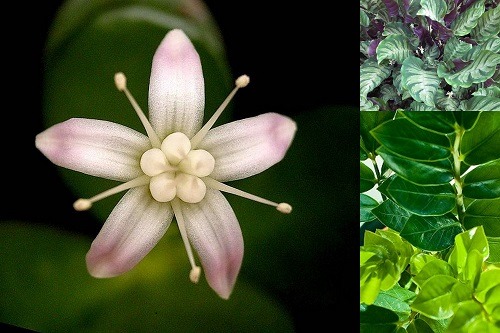
A three photo collage of a pink and white flower and green leaves
Photo credit: Frank Vincentz (jade flower) and Raffi Kojian (prayer plant)

“Roots need oxygen to breathe, just like we need oxygen to breathe.” These words of wisdom from Neil Mattson, an associate professor in the department of horticulture. He recently shared some pointers with Good Housekeeping Magazine, for a feature "The 11 Houseplants You Can’t KIll.” He recommends setting plants in gravel-filled saucers so they’re not sitting in extra drainage water and built-up salt. And the king of indestructible plants? The ZZ plant (pictured, bottom right); named not because it shares a human appreciation for sleep, but rather an abbreviation for its official moniker, zamioculcas zamiifolia. It’s native to East Africa but thrives anywhere, and is appealing because it tolerates the dangerous trifecta of plant-killers: drought, low light, and really low humidity. Other winners include the flowering jade plant (pictured above) and the calathea “prayer plant” (pictured, top right).


Keep Exploring

Several red 'Crimson Beauty" raspberries hang from green leaves and stems.

Report

Relevance Raspberry and strawberry production in the United States is concentrated in California and Florida, where climate variability and rising costs challenge long-term sustainability. Demand for locally grown fruit is increasing, creating...
  • Cornell Cooperative Extension
Charles Midega (left) and Roy Odawa display the Kontiki kiln they modified to make biochar from human feces. Credit: Rebecca Nelson

News

Cornell researchers and Kenyan partners have developed a fertilizer made from human excreta. The product improves soil health and food production, while preventing pollution in informal settlements and the aquatic environment.

  • Ashley School of Global Development and the Environment
  • Global Development Section
  • Agriculture