CALS is committed to cultivating a supportive and inclusive academic environment—one that recognizes faculty as whole people with intersecting professional, personal, and family needs.
Cornell offers a comprehensive suite of wellbeing resources addressing physical, mental, relational, financial, and occupational health. Through Cornell Wellness, faculty have access to fitness and nutrition consultations, workshops, and community‑based wellness programming designed to support sustainable careers. Cornell’s adoption of the Okanagan Charter reflects a university‑wide commitment to health‑promoting campuses.
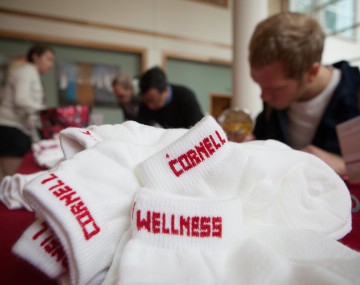
Cornell Wellness serves staff, faculty, retirees, and their spouses/partners in the areas of fitness, nutrition, general health and self-care for the mind.

Resources to support your wellbeing and those you care about.
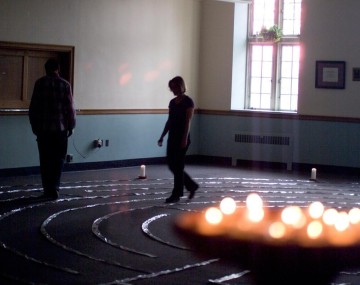
Let’s Meditate is a free, guided, mindfulness meditation series sponsored by Cornell Health, in collaboration with numerous campus partners.
Faculty mental health is supported through multiple confidential services.
The Faculty and Staff Assistance Program (FSAP) provides free, short‑term counseling with licensed clinicians who understand the particular pressures of academic life, offering support around personal challenges, work‑related stress, and family concerns. FSAP services are confidential, available to faculty and their partners, and can be scheduled promptly—typically within three days. In addition, Cornell partners with ENI Confidential Counseling Services, providing free 24/7 access to professional counseling for faculty and their families. These services sit alongside broader mental health resources, including Cornell Health and campus‑wide wellness programs like the Let’s Meditate guided mindfulness series available in multiple languages.
Cornell is also recognized for its comprehensive parenting, family, and caregiving supports.
Faculty can access individualized consultations through the university’s Work/Life team, which assists with childcare search, summer camps, child development needs, and emergency back‑up care. The Cornell Child Care Center, accredited and operated by Bright Horizons, provides on‑campus childcare for infants through pre‑K, while a Flexible Spending Account can help to offset dependent care costs. Faculty parents also benefit from Cornell’s adoption support and Academic Parental Leave policy, which provides partial relief with full pay, and automatic tenure‑clock extensions if requested. For those supporting aging or ill family members, Cornell provides dedicated Elder and Adult Care consultations and maintains an active Caregiver Support & Education Network that brings together faculty and staff for community, information sharing, and peer support.
Cornell University Human Resources
Family life resources

Dual‑career program
Cornell’s dual‑career program further strengthens community wellbeing. Through individualized guidance and regional connections, the university assists partners of faculty in navigating the local employment landscape—an especially important resource in a semi-rural college setting. This practical support aligns with CALS’s commitment to attracting and retaining outstanding scholars whose families are also set up for success.
Children’s Tuition Scholarship
Cornell supports families’ educational goals through the Children’s Tuition Scholarship (CTS), which provides a substantial tuition reduction for eligible dependent children of Cornell employees. The benefit typically covers 50% of tuition at Cornell or 30% toward tuition at non‑Cornell institutions. This program significantly reduces the cost of undergraduate education for the children of employees.
Colleague Network Groups
A strong sense of belonging is a central pillar of the Cornell culture. Colleague Network Groups (CNGs)—including groups for LGBTQ+ employees, people with disabilities, women of color, men of color, veterans, and young professionals—provide faculty with powerful routes to community, peer mentoring, and identity‑affirming networks across campus. These groups help faculty build meaningful connections beyond their departments and cultivate relationships that enrich both personal wellbeing and institutional climate.
CALS’s collaborative ethos itself contributes to work–life balance.
Faculty join a community that values interdisciplinarity, team science, and shared leadership and work in an environment where colleagues support one another as human beings, not just as researchers. This culture is reinforced by campus‑wide programs such as the Employee Wellbeing Update, which keeps faculty informed about seasonal wellbeing offerings, financial‑wellness workshops, family‑oriented events, and mental‑health resources. Such communication helps place wellbeing at the center of everyday life at Cornell.