Back

Discover CALS

See how our current work and research is bringing new thinking and new solutions to some of today's biggest challenges.

You want to change the world. So do we.

We are a community with a common goal: to leave the world better than we found it. Ambitious? Sure. But Cornell University’s College of Agriculture and Life Sciences has been changing the world for over a century and will continue to do so into the future.

Founded in agriculture and focused on life, we are pioneers who have shaped contemporary science and eagerly embraced international opportunity, while always serving the people in the state of New York.

Our purpose

This is the charge that motivates us: CALS tackles the challenges of our times through purpose-driven science that advances understanding and improves life.

CALS at a glance

14

Departments

8 departments shared with other Cornell colleges and schools

3

Schools

The Ashley School of Global Development & the Environment, the Charles H. Dyson School of Applied Economics & Management and the School of Integrative Plant Science

$292M

Total research expenditures

FY 2024

4,020

Undergraduate students

942

Graduate students

350

Faculty

We seek answers in order to find the next questions.

Our mission

These are our objectives and how we accomplish them: As a premier institution of scientific learning, we connect the life, agricultural, environmental and social sciences to provide world-class education, spark unexpected discoveries and inspire pioneering solutions.

people discussing plants

Teaching passion-driven minds

Scientist and student with computers

Purpose-driven science in action

researchers in field

Sharing knowledge with the community

Latest news, discoveries and breakthroughs

Explore the work we’re doing today and discover how it’s reshaping tomorrow.
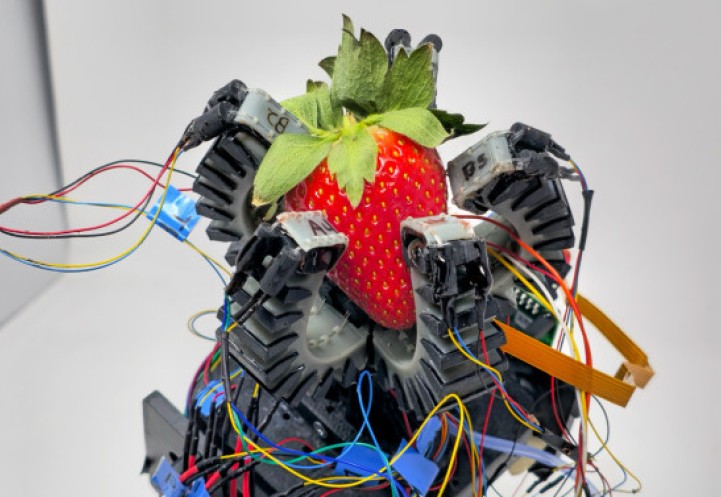
soft robot gripper with strawberry

News

Handle with care: Soft robot gripper picks ripe fruit without bruising

Cornell researchers used stretchable fiber-optic sensors to create a soft robot gripper that can predict the ripeness of strawberries by touch, then pick them without causing any damage.
  • School of Integrative Plant Science
  • Horticulture Section
  • Fruits
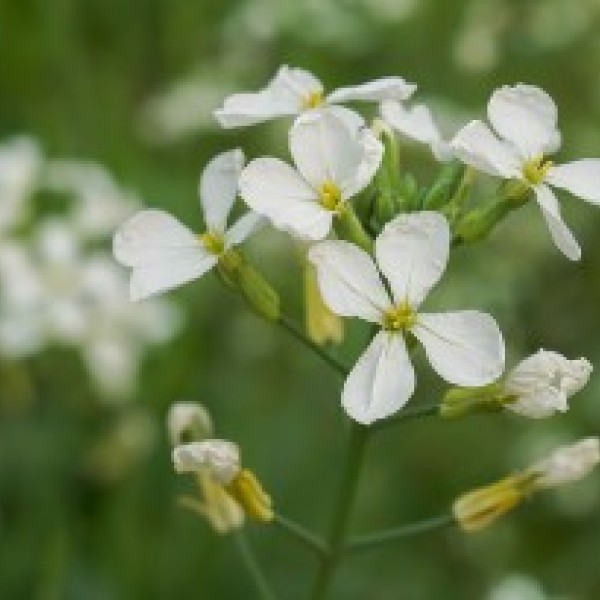
Close up of wildflowers in a field

News

Plants adjust to temperature changes, in part, by switching the way they express Rubisco, the protein that performs the critical first step of photosynthesis, according to new research from Cornell and partners.
  • School of Integrative Plant Science
  • Plant Biology Section
  • Plants
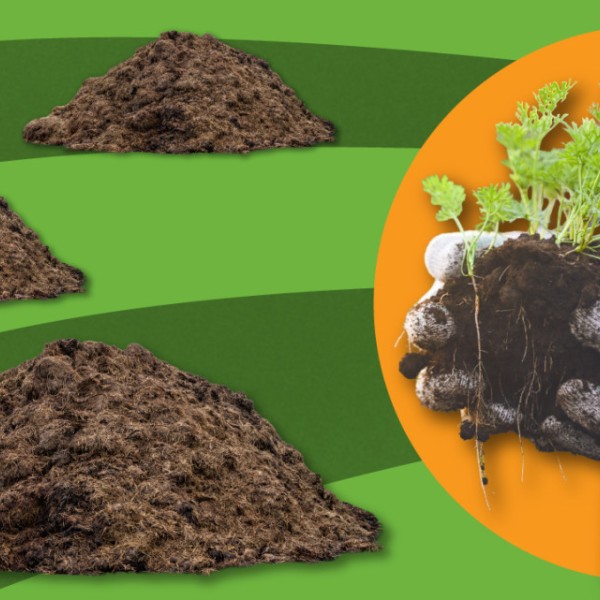
Illustration of three piles of manure with a photo of a gardener with soil in their hands

News

Waste could fulfill 102% of nitrogen and 50% of phosphorus needs for the nation’s agriculture, and significant amounts could be distributed locally and sustainably.

  • Ashley School of Global Development and the Environment
  • Global Development Section
  • School of Integrative Plant Science